Discover expert-backed resources, personalized guidance, and practical tips to support you on your journey to parenthood.
45 Resources

Trying to Conceive
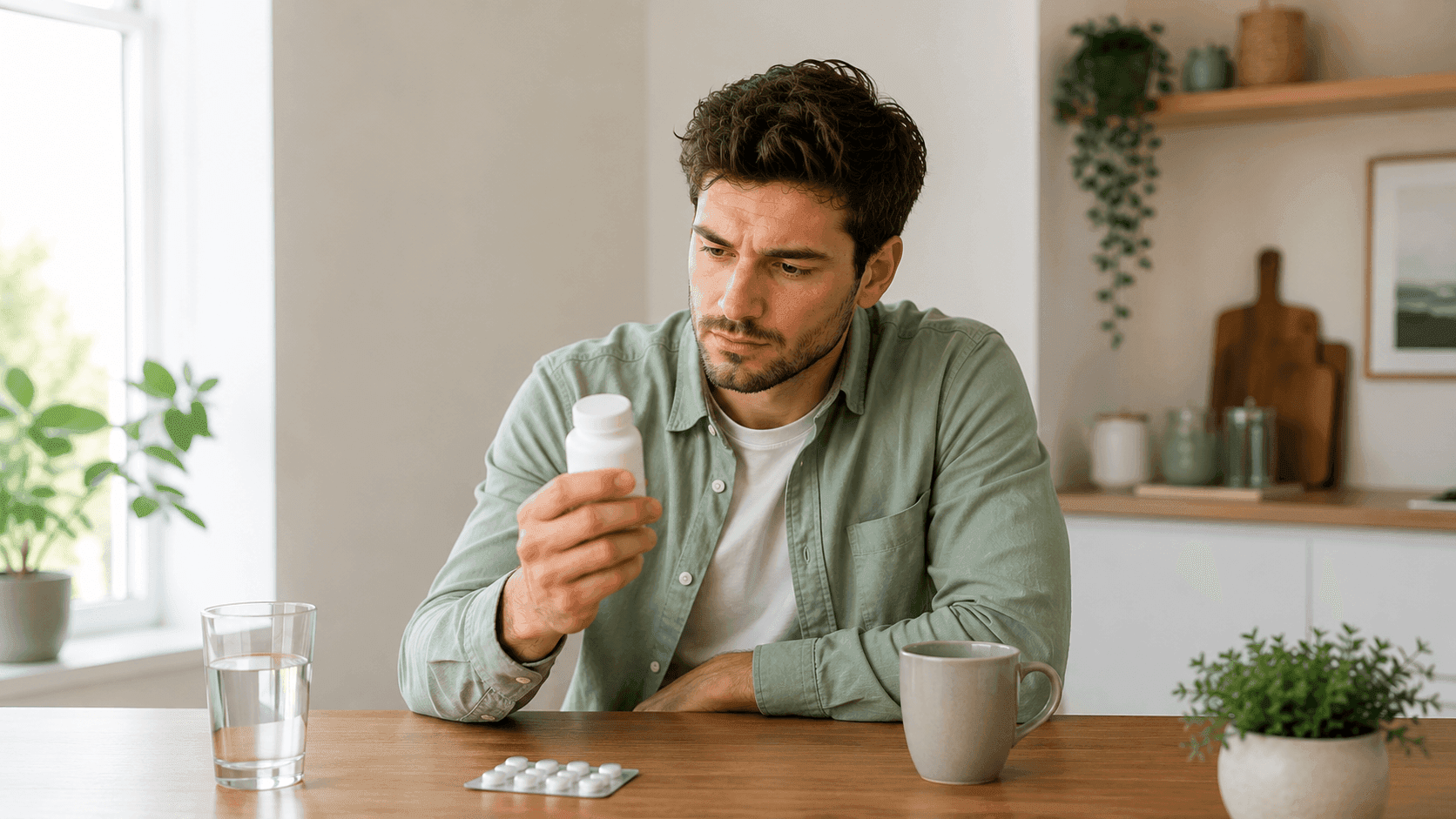
Most medications do not cause male infertility, but a few genuinely matter. This evidence-graded guide covers testosterone therapy and anabolic steroids, hair loss treatments, ADHD medication, SSRIs, opioids, sulfasalazine, chemotherapy and ED medication, explaining which effects are reversible, how long recovery takes, and why you should never stop a prescription without medical advice.
Male Fertility
Sperm


Trying to Conceive
Sperm takes about 74 to 90 days to develop, which means the diet, sleep, alcohol, stress, and exercise choices you make today shape your sperm quality roughly three months from now. This evidence-based guide explains the spermatogenesis timeline, the lifestyle changes that matter most, and a practical 90-day reset plan.
Sperm
Male Fertility

Does folic acid help male fertility? This evidence-based guide explains folic acid benefits for men, its role in sperm development, deficiency signs, and when supplements make sense.
Male Fertility

Trying to Conceive
Trying to Conceive
Antihistamines and male fertility are linked in theory through histamine's role in hormones and reproduction. In practice, evidence is limited and effects likely small compared with lifestyle factors like smoking, alcohol, sleep, and stress that have stronger data.
Male Fertility
Trying to Conceive
How often should a man ejaculate when trying to conceive? Emerging research suggests that ejaculation frequency and sperm quality are more closely linked than once assumed, with shorter abstinence often supporting better motility, DNA integrity, and IVF outcomes.
Male Fertility
Sperm
In this video, we’ll uncover how a healthy gut can support optimal fertility and reproductive health. You’ll learn why gut health is essential for hormone balance and nutrient absorption—two key factors in fertility. We’ll dive into the microbiome, exploring how it affects inflammation, immune response, and even hormone production. Discover practical tips on supporting your microbiome through diet, lifestyle, and probiotics, all of which can contribute to a healthier gut and, in turn, enhance fertility naturally. Join us to understand the powerful connection between gut health and reproductive wellness!
Digestion
Diet
Detox
+5