
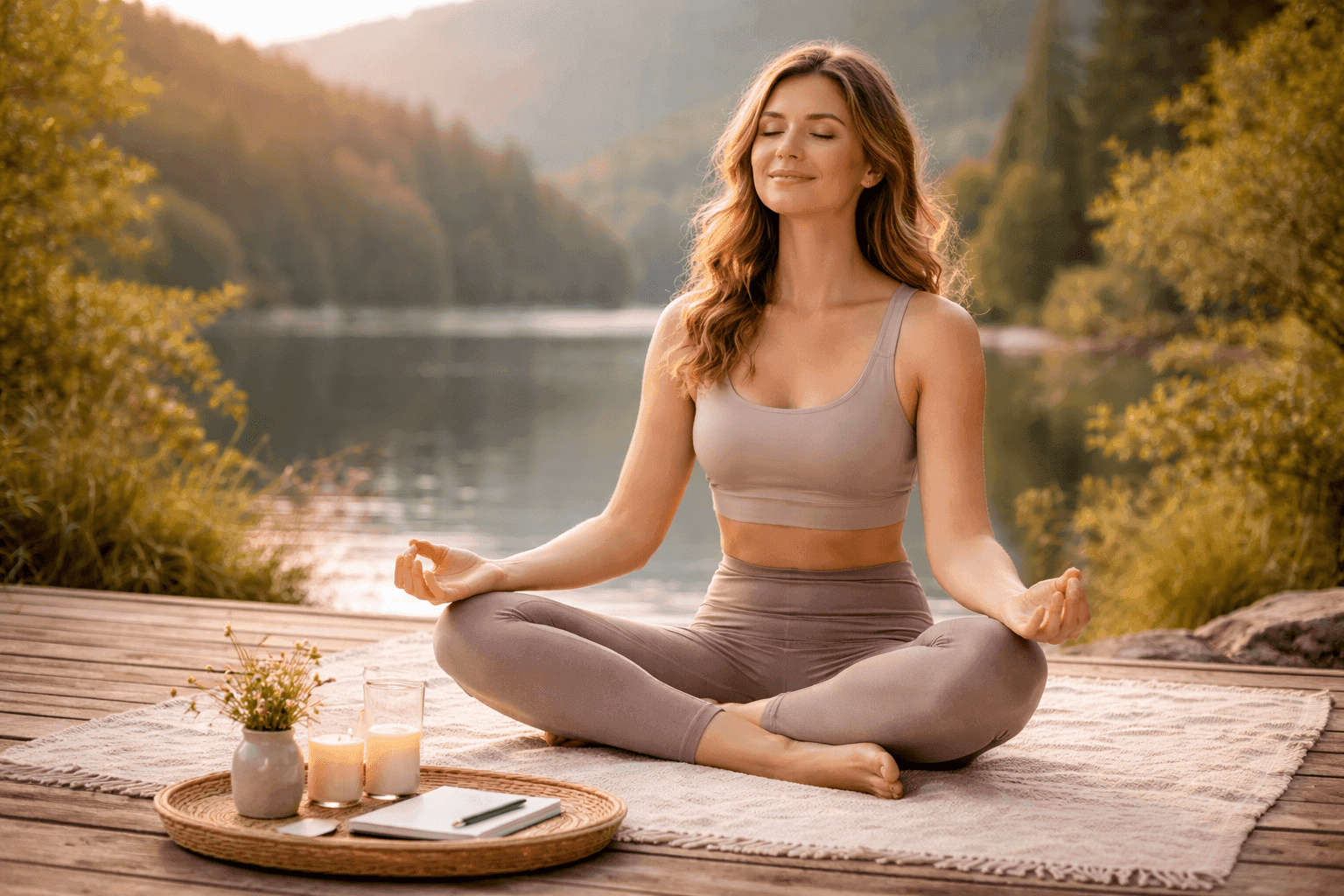
Ikigai ist ein japanischer Begriff, der weit über Japans Grenzen hinaus bekannt geworden ist und in Büchern, Vorträgen und Wellness-Blogs auf der ganzen Welt auftaucht. Doch trotz seiner großen Beliebtheit geht die wahre Bedeutung von Ikigai geht oft in der Übersetzung verloren. Es wird häufig auf ein einfaches Diagramm reduziert, das die Suche nach dem perfekten Job darstellt, während das ursprüngliche Konzept sanfter, umfassender und menschlicher ist.
Was ist Ikigai also wirklich? Im Kern beschreibt es die Dinge, die dein Leben lebenswert machen: die kleinen Freuden, Beziehungen und das Gefühl von Sinn, die deinen Tagen Sinn geben. Dieser Leitfaden erklärt, woher die Idee stammt, das beliebte Vier-Säulen-Modell und seine Grenzen, warum ein Sinn im Leben für das Wohlbefinden wichtig ist und wie du damit beginnen kannst, dein eigenes Ikigai zu entdecken. Er schließt mit einer 20-minütigen geführten Meditation, die dir hilft, den ersten Schritt zu machen.
Kurze Antwort: Ikigai (生き甲斐) ist ein japanisches Konzept, das einen Lebenssinn oder den Wert bezeichnet, der das Leben lebenswert macht. Traditionell findet man ihn eher in kleinen, alltäglichen Quellen der Freude, Sinnhaftigkeit und Verbundenheit als in einer einzigen großen Lebensaufgabe. Eine kurze tägliche Übung aus Atemarbeit und Reflexion ist eine der einfachsten Möglichkeiten, dein Ikigai zu entdecken.

Der Lebensstil beeinflusst die Fruchtbarkeit. Eine Studie in BMC Public Health zeigte, dass Frauen mit 4–5 gesunden Gewohnheiten ein um 59 % geringeres Risiko für Unfruchtbarkeit hatten.
Fülle den Fragebogen aus und erhalte ein persönliches, ganzheitliches und evidenzbasiertes Programm, das zu dir passt.
 dauert 3 Minuten
Das Wort „Ikigai“ setzt sich zusammen aus iki, was „Leben“ oder „leben“ bedeutet, und gai, was „Wert“, „Bedeutung“ oder „Grund“ bedeutet. Zusammen verweist es auf das, was einem Menschen einen Grund gibt, morgens aufzustehen. Das kann eine Beziehung sein, ein Handwerk, eine tägliche Routine, das Gefühl, einen Beitrag zu leisten, oder ein stilles Ritual bei Sonnenaufgang.
Die Psychiaterin Mieko Kamiya trug dazu bei, Ikigai in das moderne japanische Denken zu integrieren, mit ihrem 1966 erschienenen Buch Über den Sinn des Lebens, in dem sie es als das gefühlte Bewusstsein für persönlichen Wert und Orientierung beschrieb. In jüngerer Zeit hat der Neurowissenschaftler Ken Mogi betont, dass es bei „Ikigai“ in seinem ursprünglichen kulturellen Kontext selten um eine einzige große Berufung geht. Stattdessen liegt es in den Grundlagen des Alltags: klein anfangen, sich selbst akzeptieren, Harmonie mit anderen finden, Freude an kleinen Dingen haben und im Moment präsent sein.
So betrachtet ist Ikigai weniger ein Ziel, das es zu erreichen gilt, als vielmehr eine Art, dem eigenen Leben Aufmerksamkeit zu schenken.
Außerhalb Japans wird Ikigai meist als Diagramm aus vier sich überschneidenden Kreisen dargestellt:
Der Punkt, an dem sich alle vier Kreise treffen, wird als dein Ikigai dargestellt. Diese Version wurde Mitte der 2010er Jahre von westlichen Autoren populär gemacht, die den Begriff „Ikigai“ auf ein älteres Venn-Diagramm übertrugen, das ursprünglich eher dazu diente, den Begriff „Sinn“ zu veranschaulichen, als das japanische Konzept.
Das Vier-Säulen-Modell ist als Planungsinstrument nützlich, weil es dir eine übersichtliche Struktur bietet, um über Arbeit, Berufung und deinen Beitrag nachzudenken. Es ist aber auch eine Vereinfachung. Die ursprüngliche japanische Idee hat sehr wenig mit Beruf oder Produktivität zu tun, und jemand, der im Ruhestand ist, Pflegeaufgaben übernimmt oder sich einfach nur ausruht, kann dennoch ein erfülltes Ikigai haben. Beide Sichtweisen sind es wert, beachtet zu werden: das Diagramm wegen seiner Übersichtlichkeit und das japanische Verständnis wegen seiner Ehrlichkeit.
Ikigai hat aus zwei Hauptgründen Aufmerksamkeit erregt.
Der erste ist die Langlebigkeit. Die „Okinawa Centenarian Study“, die eine der weltweit größten Gruppen von Menschen mit einem Alter über 100 Jahren untersuchte, identifizierte ein starkes Lebensziel als einen der wiederkehrenden Faktoren für ein langes, gesundes Leben, neben Ernährung, Bewegung und engen sozialen Bindungen. In Okinawa wird dieses Lebensziel „Ikigai“ genannt.
Der zweite Grund ist unmittelbarer. Ein klareres Gespür dafür, was dir wichtig ist, erleichtert alltägliche Entscheidungen. Wie du einen freien Sonntag verbringst, wie du auf einen Rückschlag reagierst, wie du einen Karriereschritt abwägst oder ob du eine Familie gründen möchtest, wann du Gas gibst und wann du dich ausruhst: All das fällt dir leichter, wenn du weißt, was deinen Tagen ihren Sinn gibt.
Diese Inhalte dienen ausschließlich Bildungszwecken. Sie wurden auf wissenschaftliche Richtigkeit geprüft, stellen aber keine medizinische Beratung, Diagnose oder Behandlung dar. Wende dich bei medizinischen Fragen oder Entscheidungen zur Kinderwunschbehandlung immer an qualifiziertes Fachpersonal.
Auf wissenschaftliche Richtigkeit geprüft von: Dr. Mona Bungum
Zuletzt geprüft: Mai 2026
Der Lebensstil beeinflusst die Fruchtbarkeit. Eine Studie in BMC Public Health zeigte, dass Frauen mit 4–5 gesunden Gewohnheiten ein um 59 % geringeres Risiko für Unfruchtbarkeit hatten.
Fülle den Fragebogen aus und erhalte ein persönliches, ganzheitliches und evidenzbasiertes Programm, das zu dir passt.
dauert 3 MinutenEs ist wichtig zu betonen, dass es bei „Ikigai“ nicht darum geht, ständig produktiv zu sein oder unerbittlich zielgerichtet zu handeln. Es geht darum, wahrzunehmen, was dir bereits am Herzen liegt, und zuzulassen, dass dies still und leise dein Leben prägt.
Es gibt keinen Test, der dir dein Ikigai liefert. Es offenbart sich meist im Laufe der Zeit, durch Reflexion und kleine Experimente, und nicht durch einen einzigen Moment der Erleuchtung. Ein guter Anfang ist es, darauf zu achten, was dir Energie gibt: die Momente in einer normalen Woche, in denen du die Zeit vergisst, oder in denen du etwas beendest und dich danach lebendiger statt erschöpfter fühlst. Diese Momente sind Hinweise.
Es hilft auch, darauf zu achten, wofür du dich spontan entscheidest. Worüber liest du, worüber sprichst du und worauf kommst du immer wieder zurück? Was hast du als Kind geliebt, bevor du gelernt hast, was angeblich nützlich sein sollte? Einige der stärksten Hinweise auf dein Ikigai verbergen sich in frühen Vorlieben und in den Werten, die du verinnerlicht hast, bevor du sie benennen konntest, und ein genauerer Blick auf die Überzeugungen, die dein Selbstverständnis und dein Wohlbefinden prägen kann Muster zutage fördern, die dir gar nicht mehr auffallen.
Reflexion funktioniert auf Papier besser als im Kopf, daher lohnt es sich, Dinge aufzuschreiben. Eine kurze Reihe von Fragen für das Tagebuch, wie zum Beispiel „Was war heute wichtig?“, „Was hat mich ausgelaugt?“ und „Was würde ich mit einer Stunde ohne Eile anfangen?“, reicht aus, um mit der Arbeit zu beginnen. Betrachte Ikigai vor allem als etwas, das du entdeckst, und nicht als etwas, das du bis zu einer bestimmten Frist erzwingen musst. Die japanische Sichtweise ist geduldig und bevorzugt kleine, nachhaltige Übungen über einen längeren Zeitraum.
Der nächste Abschnitt bietet eine solche Übung: eine 20-minütige geführte Meditation, die darauf abzielt, jene Art stiller Mindfulness zu schaffen, in der sich Ikigai leichter wahrnehmen lässt.
Dies ist eine sanfte Übung im Sitzen. Sie umfasst Erdung, Atemübungen, Reflexion darüber, was dir wichtig ist, Wechselatmung und einen sanften Abschluss. Du brauchst einen ruhigen Ort, zwanzig gemächliche Minuten und etwas Bequemes zum Sitzen, wie zum Beispiel einen Stuhl oder ein Kissen.
Wenn dir zwanzig Minuten anfangs zu lang vorkommen, beginne mit der „Ankommen und Verwurzeln“-Sequenz aus den Schritten eins bis drei. Die Übung vertieft sich mehr durch Wiederholung als durch ihre Dauer. Für einen kürzeren Einstieg an einem stressigen Tag eignet sich auch eine einfache geführte Meditation gut.
Eine Übung öffnet die Tür, aber dein Ikigai zu leben, geschieht zwischen den Sitzungen, und ein paar einfache Gewohnheiten helfen dabei, dass es Wurzeln schlägt.
Die erste ist, deine kleinen Freuden zu schützen. Behandle die Dinge, die dich still und leise wieder aufladen, als unverzichtbar und nicht als Belohnungen, die du dir erst verdienen musst, wenn die Arbeit erledigt ist. Dankbarkeit und Freude verhalten sich ähnlich wie der Atem: Sie sind kostenlos, sie verstärken sich mit der Zeit, und sie sind meist das Erste, was unter Stress verschwindet.
Zweitens: Baue Ruhephasen ein, ohne dich dafür entschuldigen zu müssen. Das japanische Konzept des Ikigai umfasst Harmonie und Nachhaltigkeit, und ein Leben voller unermüdlicher Leistung steht nicht im Einklang mit Sinn, selbst wenn es sich um produktiven Sinn handelt. Wenn du Selbstfürsorge und Selbstmitgefühl als Teil der Praxis betrachtest und nicht als Pause davon, bleibt dein Ikigai nachhaltig.
Es hilft auch, Entscheidungen aus der Perspektive deiner Werte zu treffen. Bevor du zu einer neuen Verpflichtung „Ja“ sagst, frag dich, ob sie dich den Dingen näherbringt oder von ihnen entfernt, die du in deiner Reflexion benannt hast. Mit der Zeit gestaltet diese eine Frage still und leise deinen Kalender neu. Lass schließlich dein Ikigai sich weiterentwickeln. Was deinem Leben mit 25 Sinn gibt, ist mit 40 selten noch dasselbe. Deshalb lohnt es sich, die Reflexionsfragen alle paar Monate erneut zu durchgehen. Abdriften ist kein Scheitern; es ist eine Erkenntnis.
Ikigai ist ein japanisches Wort für die Dinge, die deinem Leben das Gefühl geben, lebenswert zu sein. Es kann eine Beziehung sein, ein Handwerk, ein tägliches Ritual oder das stille Gefühl, einen Beitrag zu leisten, und meist handelt es sich eher um eine Kombination aus kleinen, alltäglichen Sinnquellen als um einen einzigen großen Lebenszweck.
Im westlichen Schema befindet sich Ikigai dort, wo sich vier Dinge überschneiden: das, was du liebst, das, worin du gut bist, das, was die Welt braucht, und das, wofür du bezahlt werden kannst. Die ursprüngliche japanische Tradition ist weiter gefasst und setzt nicht alle vier Elemente voraus, sodass Ikigai auch völlig außerhalb bezahlter Arbeit existieren kann.
Die Beispiele sind sehr vielfältig: von der Gartenpflege über das Unterrichten eines Handwerks bis hin zur Kindererziehung, zum Schreiben, zum Kochen für Menschen, die du liebst, oder zum Spazierengehen auf derselben morgendlichen Strecke. Das entscheidende Merkmal ist, dass sich die Tätigkeit an sich lohnenswert anfühlt und nicht nur nützlich ist.
Achte darauf, was dir Energie gibt und wofür du dich spontan entscheidest, schreibe deine Gedanken regelmäßig auf und nutze kurze Übungen wie die oben beschriebene Meditation. Es funktioniert am besten als langsamer Entdeckungsprozess und nicht als einmalige Übung.
Indirekt, ja. Ein klareres Gespür dafür, was wichtig ist, verringert in der Regel die Entscheidungsmüdigkeit und die leichte Angst, sich orientierungslos zu fühlen. Die Atemübungen und die Erdung, die oft mit der Ikigai-Praxis einhergehen, beruhigen zudem direkt das Nervensystem.
Nein. Ikigai ist ein kulturelles und philosophisches Konzept, kein religiöses, und lässt sich problemlos mit jedem Glauben oder auch ganz ohne Glauben vereinbaren.
Es gibt keinen festen Zeitrahmen. Manche Menschen entwickeln schon nach wenigen Wochen regelmäßiger Reflexion ein starkes Gespür dafür, während es bei anderen erst über Jahre hinweg entsteht und sich im Laufe des Lebens verändert. Die Praxis selbst ist das Wesentliche.
Was ist also Ikigai? Es ist keine Berufsbezeichnung, kein Produktivitäts-Hack und keine einzelne Antwort, die darauf wartet, gefunden zu werden. Es ist die stille Ansammlung all dessen, was dein Leben lebenswert macht, von den Menschen, die du liebst, bis hin zu den kleinen Ritualen, die deinem Tag Halt geben. Das beliebte Vier-Kreise-Diagramm kann ein hilfreicher Ausgangspunkt sein, aber die tiefere japanische Idee ist sanfter und nachsichtiger: Dein Ikigai ist bereits in den Dingen vorhanden, die dir am Herzen liegen, und wartet darauf, wahrgenommen statt erfunden zu werden.
Der zuverlässigste Weg, es zu entdecken, besteht darin, den Tempo so weit zu drosseln, dass du aufmerksam werden kannst. Eine kurze, regelmäßige Übung aus Atemarbeit und Besinnung, wie die oben beschriebene 20-minütige Meditation, schafft den Raum dafür, dass dieses Wahrnehmen stattfinden kann. Fang klein an, bleib neugierig und lass dein Lebensgefühl sich mit der Zeit offenbaren.
00:00:01 Schließ einfach mal die Augen und nimm wahr, wie es sich anfühlt, ganz bei dir selbst zu sein. Und dann atme dreimal tief durch die Nase ein. Und dann ein großer Seufzer durch den Mund. Mach noch ein paar davon, ganz nach deinem eigenen Tempo und auf deine eigene Art. Alles, was sich intuitiv gut anfühlt. Alles, was sich intuitiv gut anfühlt. Einfach den Tag loslassen. Und dann kannst du einfach zulassen, dass dein Atem wieder in seinen natürlichen Rhythmus zurückfindet.
00:00:44 Und vielleicht haben dich diese tieferen Atemzüge gerade ein bisschen mehr in deinen Körper hineingeführt – nimm einfach wahr, wie es sich anfühlt, nachdem du ein paar einfache, tiefere Atemzüge gemacht hast, und spüre – nimm einfach wahr, wie es sich anfühlt, nachdem du ein paar einfache, tiefere Atemzüge gemacht hast, und spüre dann, wie dein Körper fest im Stuhl verwurzelt ist. Dein Sitz wird gestützt – lass die Anstrengung los und erlaube dir einfach, dich voll und ganz vom Stuhl, vom Boden und von der Erde tragen zu lassen. Und dann ist da ganz subtil das Gefühl, dass sich dein Scheitel sanft nach oben streckt, sodass du fest im Sitz verwurzelt bist und dich über den dein Scheitel sanft nach oben streckt, sodass du fest im Sitz verwurzelt bist und dich über den Scheitel nach oben aufrichtest – so entsteht eine lange, aufrechte Wirbelsäule, die dich während dieser
00:01:42 Übung stützt. Nimm dann einfach wahr, wie sich dein Körper heute anfühlt: Gibt es irgendwo Verspannungen, die du vielleicht im Gesicht, im Kiefer oder in den Schultern hältst? irgendwo Verspannungen, die du vielleicht im Gesicht, im Kiefer oder in den Schultern hältst? Vielleicht spürst du ein Festhalten in deiner Körpermitte, in deinem Bauch, oder vielleicht eine Entspannung in der Gegend zwischen deinen Augenbrauen. Beobachte einfach, ob es irgendwo in deinem eine Entspannung in der Gegend zwischen deinen Augenbrauen. Beobachte einfach, ob es irgendwo in deinem Körper eine bestimmte Stelle gibt, an der du dich festklammerst oder festhältst, und nimm das einfach mit Mitgefühl wahr. Und vielleicht kann dein sanfter Atem, der durch deinen Körper strömt, langsam anfangen,
00:02:43 einfach mit Mitgefühl wahr. Und vielleicht kann dein sanfter Atem, der durch deinen Körper strömt, langsam anfangen, einen Teil dieser Anspannung zu lösen, sodass sich alles an jeder Stelle etwas weicher wird und das Festhalten nachlässt. Wenn du eine längere Ausatmung nutzen möchtest, um das sanft ausklingen zu lassen, steht dir das jederzeit zur Verfügung. Und dann geh längere Ausatmung nutzen möchtest, um das sanft ausklingen zu lassen, steht dir das jederzeit zur Verfügung. Und dann geh einfach eine Ebene tiefer: Wie fühlt sich dein emotionaler Körper heute an? Dein emotionaler, energetischer, spiritueller Körper wie auch immer du es verstehen möchtest – tief in deinem Innersten: Wie fühlst du dich heute? Versuche, keine Geschichten wie auch immer du es verstehen möchtest – tief in deinem Innersten: Wie fühlst du dich heute? Versuche, keine Geschichten darüber zu spinnen, warum oder ob es richtig oder falsch ist, dass du dich so fühlst, sondern erkenne einfach
00:04:10 liebevoll an, dass du dich heute so fühlst. Schaffe Raum für all das – lass Erwartungen los und einfach liebevoll an, dass du dich heute so fühlst. Schaffe Raum für all das – lass Erwartungen los und einfach Ein Raum, in dem alles von dir willkommen ist – und dann lenke deine Aufmerksamkeit wieder auf deinen Sitzplatz, auf den Teil von dir, der mit deinem Stuhl verbunden ist und von der Erde getragen wird. Stell dir vor, du hättest diese Wurzeln, die dich von deinem Sitzplatz aus durch den Boden hindurch mit der Erde verbinden und dein Fundament wirklich stabilisieren. deinem Sitzplatz aus durch den Boden hindurch mit der Erde verbinden und dein Fundament wirklich stabilisieren. Bleib einfach so und fang an, etwas tiefer und bewusster durch die Nase ein- und auszuatmen. Atme etwas länger ein und etwas länger aus. Kein Zwang,
00:05:13 ein- und auszuatmen. Atme etwas länger ein und etwas länger aus. Kein Zwang, kein Hinterherjagen nach dem Atem, lass es einfach geschehen – wie eine Einladung an deinen Körper, mehr Luft aufzunehmen. Und stell dir beim Ausatmen vor, du atmest hinunter durch diese Wurzeln – atme hinunter durch deine Wurzeln, die dich mit der Erde verbinden, und lass einfach alle Wurzeln – atme hinunter durch deine Wurzeln, die dich mit der Erde verbinden, und lass einfach alle körperlichen oder emotionalen Anspannungen, die du vielleicht bemerkt hast und die du loslassen möchtest, durch diese Wurzeln hinunterfließen. Während du ausatmest, atme einfach alles aus, was du nicht mehr brauchst hinunter durch deine Wurzeln, durch den Stuhl, durch die Erde, zurück bis zum Mittelpunkt der Erde – und
00:06:26 hinunter durch deine Wurzeln, durch den Stuhl, durch die Erde, zurück bis zum Mittelpunkt der Erde – und gib es einfach dankbar zurück. Alles, was du bereit bist loszulassen, atmest du hinunter durch die Erde, und das schafft Raum in deinem Körper, um das einzuatmen, was du brauchst: neuen Atem, neues Leben. das schafft Raum in deinem Körper, um das einzuatmen, was du brauchst: neuen Atem, neues Leben. Was möchtest du mit der heutigen Sitzung willkommen heißen? Wenn du also ausatmest, lässt du los, was du nicht brauchst, und wenn du einatmest, nimmst du mehr von dem auf, was du brauchst. Beim Ausatmen lässt du los, beim Einatmen versorgst du dich mit mehr von dem, was du brauchst. Loslassen, was Ausatmen lässt du los, beim Einatmen versorgst du dich mit mehr von dem, was du brauchst. Loslassen, was
00:07:42 stagniert – und atme ein, was neu ist, was dir heute Lebenskraft schenkt. Wann immer du bereit bist, stagniert – und atme ein, was neu ist, was dir heute Lebenskraft schenkt. Wann immer du bereit bist, lass diese Übung einfach los – die Aufmerksamkeit darauf, deinen Fokus – und gönn dir eine kleine Auszeit davon. Und in dieser Auszeit tust du einfach gar nichts. Es ist fast so, als würdest du dich ganz hinten in deinem Geist hinsetzen und in diesem Zustand des Nichts liebevoll beobachten. Und in dieser Auszeit, die du dir hier geschaffen hast – fang einfach mit dem „Zweck“-Teil von Ikigai an: Und in dieser Auszeit, die du dir hier geschaffen hast – fang einfach mit dem „Zweck“-Teil von Ikigai an: Was ist dir gerade wichtig? Was schätzt du? Denk einfach innerlich darüber nach, überleg es dir
00:08:51 für dich selbst – du musst es nicht einordnen, du musst keine Geschichte drumherum erfinden. Nimm einfach wahr, was dir gerade jetzt, in diesem Moment, wichtig ist. Was liegt dir am Herzen? Nimm einfach wahr, was dir gerade jetzt, in diesem Moment, wichtig ist. Was liegt dir am Herzen? „Zweck“ bedeutet hier ganz einfach das, was sich für dich sinnvoll anfühlt – nimm das einfach wahr und lass deinen Körper es als eine Art Absicht aufnehmen. Übe dich darin, es einfach wahrzunehmen, lass deinen Körper es als eine Art Absicht aufnehmen. Übe dich darin, es einfach wahrzunehmen, auch wenn es ganz klein war und eigentlich keinen Sinn ergab. Lass einfach deine innere Weisheit spüren, was dir in diesem Moment wichtig ist, und behalte dann die Augen geschlossen – bring deine
00:09:53 Handflächen zusammen und reibe sie aneinander, um etwas Wärme zu erzeugen – so erzeugst du deine eigene Wärme, indem du deine Handflächen aneinander reibst, lass wirklich Wärme entstehen. Leg dann einfach deine Handflächen eigene Wärme, indem du deine Handflächen aneinander reibst, lass wirklich Wärme entstehen. Leg dann einfach deine Handflächen auf deinen Bauch, irgendwo auf deinem Oberkörper, also auf deinen Bauch, und nimm deine eigene Wärme auf. Atme in deine Hände hinein und atme aus, und stell dir dann bei deinem nächsten Einatmen vor, dass du dieses warme, goldene Licht einatmest – und dieses goldene Licht könnte ein bisschen wie ein wunderschöner Sonnenaufgang aussehen, es einatmest – und dieses goldene Licht könnte ein bisschen wie ein wunderschöner Sonnenaufgang aussehen, es könnte orange oder gelb sein, was auch immer für dich Sinn ergibt, was auch immer sich für dich schön und
00:10:48 majestätisch anfühlt. Atme diesen warmen, orangefarbenen Schein ein und lass ihn in deinen Oberkörper strömen – majestätisch anfühlt. Atme diesen warmen, orangefarbenen Schein ein und lass ihn in deinen Oberkörper strömen – Dein Zentrum, dein Kern, deine Identität – du musst keine Anspannung um dein Zentrum herum halten. Du kannst einfach jede Verkrampfung um deinen Bauch herum loslassen. Deine Hände vermitteln dir das Gefühl deiner eigenen Berührung an deinem Zentrum, während du diesen warmen orangefarbenen Schein einatmest und zulässt, dass er sich in deinem Körper ausbreitet. Lass ihn während du diesen warmen orangefarbenen Schein einatmest und zulässt, dass er sich in deinem Körper ausbreitet. Lass ihn wachsen. Mit jedem Ausatmen atmest du es sozusagen um deinen Oberkörper herum, um deinen ganzen Körper herum, und plötzlich merkst du, dass deine inneren Systeme von dieser warmen Glut erfüllt sind, diesem wachsenden orangefarbenen
00:11:49 merkst du, dass deine inneren Systeme von dieser warmen Glut erfüllt sind, diesem wachsenden orangefarbenen Schimmer, der tröstlich ist, der wärmt, der dich hält und dich gleichzeitig zum Leuchten bringt – es ist als würdest du einen Lichtschalter in deinem eigenen Haus betätigen – der Raum war dunkel, und jetzt kannst du sehen Du kannst in diesem warmen orangefarbenen Schein sehen, was du brauchst, und nimm dir jetzt einfach einen Du kannst in diesem warmen orangefarbenen Schein sehen, was du brauchst, und nimm dir jetzt einfach einen Moment Zeit, um dich zurückzulehnen und dieses Gefühl zu genießen, in deinem eigenen Licht und in diesem Raum zu sein – ganz entspannt und mühelos. Denk einfach an etwas, das dir Freude bereitet, etwas, das du wirklich sein – ganz entspannt und mühelos. Denk einfach an etwas, das dir Freude bereitet, etwas, das du wirklich
00:13:10 gerne machst. Es muss keinen Sinn ergeben, es muss nicht tiefgründig sein, es ist einfach etwas, woran du heute, in diesem Moment, denkst, und der Gedanke daran, diese Sache zu tun, bereitet dir Freude. Was machst du gerne? Lass es so einfach sein, lass es wahr sein, lass das Gefühl dieser dir Freude. Was machst du gerne? Lass es so einfach sein, lass es wahr sein, lass das Gefühl dieser freudvollen Tätigkeit dich wirklich trösten und dich in einem Zustand der Freude halten, anstatt Verantwortung. Spür, wie sich dieses Gefühl der Freude bis in deine Knochen ausbreitet. Was machst du am liebsten? Was lässt dein Herz Verantwortung. Spür, wie sich dieses Gefühl der Freude bis in deine Knochen ausbreitet. Was machst du am liebsten? Was lässt dein Herz höher schlagen? Lass deine Augen geschlossen. Ich werde dich jetzt durch eine kurze Atemübung
00:14:20 höher schlagen? Lass deine Augen geschlossen. Ich werde dich jetzt durch eine kurze Atemübung führen, und ich mache auch mit. Wenn du mich also anschauen möchtest, kannst du das gerne tun, aber Wenn du mit rechts schreibst, benutze deine rechte Hand, ansonsten mach alles mit der linken. Und bring deinen Mittelfinger und deinen Zeigefinger in den Raum zwischen deinen Augenbrauen. Wir machen jetzt eine Wechselatmung. Und gib dir zunächst einfach eine kleine Massage zwischen den Augenbrauen und schaffe dort Raum. Dann halten wir mit dem Ringfinger das linke Nasenloch zu und mit dem Daumen das rechte. Und wir atmen abwechselnd durch beide Nasenlöcher ein und aus. Nasenloch zu und mit dem Daumen das rechte. Und wir atmen abwechselnd durch beide Nasenlöcher ein und aus.
00:15:04 Ich werde dich anleiten, damit du die Augen schließen und einfach nur meiner Stimme lauschen kannst. Also, beide Nasenlöcher frei halten, einatmen, durch beide Nasenlöcher ausatmen, durch beide einatmen, durch beide ausatmen, durch beide einatmen, durch beide ausatmen. beide einatmen, durch beide ausatmen, durch beide einatmen, durch beide ausatmen. Halte die rechte Nasenseite zu, atme nur durch die linke ein. Atme durch die linke aus. Lass die rechte Seite los, halte die linke mit dem Ringfinger zu, atme durch die rechte ein, atme durch die rechte aus, halte die rechte Seite zu, atme durch die linke ein, atme durch die linke aus, halte die linke Seite zu, atme durch die rechte ein, atme durch die rechte aus, halte die rechte Seite zu, atme durch die linke aus, halte die linke Seite zu, atme durch die rechte ein, atme durch die rechte aus, halte die rechte Seite zu,
00:16:19 atme durch die linke Nasenseite ein, atme durch die linke Nasenseite aus, halte die linke Nasenseite zu, atme durch die rechte Nasenseite ein, atme durch die rechte atme durch die linke Nasenseite ein, atme durch die linke Nasenseite aus, halte die linke Nasenseite zu, atme durch die rechte Nasenseite ein, atme durch die rechte Nasenseite aus, halte die rechte Nasenseite zu, atme durch die linke Nasenseite ein, atme durch die linke Nasenseite aus, halte die linke Nasenseite zu, atme durch die rechte Nasenseite ein, atme durch die rechte Nasenseite aus, lass deine Hand auf deinen Schoß sinken, atme durch beide Nasenlöcher ein, atme durch beide Nasenlöcher aus die rechte Nasenseite ein, atme durch die rechte Nasenseite aus, lass deine Hand auf deinen Schoß sinken, atme durch beide Nasenlöcher ein, atme durch beide Nasenlöcher aus Atme durch beide ein, atme durch beide aus, und lass nun die Anspannung beim Atmen los, aber folge deinem Atem mit deiner Aufmerksamkeit. Also folge einfach deinem Einatmen bis ganz nach oben, folge deinem Ausatmen bis ganz nach unten, folge deinem Einatmen bis ganz nach oben, folge deinem Ausatmen bis ganz nach unten, folge
00:17:25 ganz nach unten, folge deinem Einatmen bis ganz nach oben, folge deinem Ausatmen bis ganz nach unten, folge deinem Einatmen bis ganz nach oben, folge deinem Ausatmen bis ganz nach unten. Mach das in deinem eigenen Tempo weiter und achte darauf, ob deine Gedanken zu anderen Dingen abschweifen – dann bring sie einfach sanft zurück zu deinem Atem, bring sie sanft zurück zu deinem Einatmen, zu deinem Ausatmen, bring sie zurück zu deinem Einatmen, bring sie bring sie sanft zurück zu deinem Einatmen, zu deinem Ausatmen, bring sie zurück zu deinem Einatmen, bring sie zurück zu deinem Ausatmen – und dann werden deine Gedanken wieder abschweifen, denn das ist es, was Gedanken tun, aber lenke sie einfach wieder sanft auf deinen Atem, auf dein Einatmen und dein Ausatmen. aber lenke sie einfach wieder sanft auf deinen Atem, auf dein Einatmen und dein Ausatmen.
00:18:35 Mach das noch ein paar Augenblicke lang weiter, dann lass diese Übung los und nimm das Erholung wieder in den hinteren Teil deines Geistes zurück, und wir wenden uns nun dem abschließenden Prinzip im Ikigai zu: dem, was uns einzigartig ausmacht. Wir schaffen hier Raum – diese Pause vom hektischen, Prinzip im Ikigai zu: dem, was uns einzigartig ausmacht. Wir schaffen hier Raum – diese Pause vom hektischen, unaufhörlichen Denken –, indem wir einfach unserem Atem folgen, der uns in unser Inneres führt, und von diesem Ort aus einfach anerkennen, wer wir in diesem Moment sind und was uns einzigartig macht. Und genau von diesem Ort aus können wir aus einfach anerkennen, wer wir in diesem Moment sind und was uns einzigartig macht. Und genau von diesem Ort aus können wir verstehen, welchen Wert wir in die Welt einbringen – vielleicht ist dir das in diesem Moment schon klar. Und wenn
00:19:38 nicht, musst du dir darüber keine Gedanken machen. Versuch, das nicht zu ergründen. Lass es einfach im Hinterkopf ruhen und schaffe dir Raum, einzigartig du selbst zu sein, so wie du bist. Und dann beenden wir unsere Übung mit einer einfachen Vorbeuge, die du im Sitzen machen kannst. Also fang einfach an, dich nach unten zu beugen, das Kinn an die Brust gezogen, und rolle über deine Beine. Du kannst deine Hände benutzen, um deinen Kopf zu stützen. Einfach so eine Art kleiner Kokon, den du dir hier schaffst, während du dich nach vorne beugst und dich in deinem eigenen Raum einhüllst. Vorbeugen halten uns einfach in dieser erdenden, beruhigenden Energie. Also
00:20:24 in deinem eigenen Raum einhüllst. Vorbeugen halten uns einfach in dieser erdenden, beruhigenden Energie. Also stütze dich hier einfach selbst und nimm ganz einfach wahr, wer du bist, was dir wichtig ist und was dir Freude bereitet. Und dann rollst du dich sanft über deine Wirbelsäule wieder auf, mit geschlossenen Augen. Freude bereitet. Und dann rollst du dich sanft über deine Wirbelsäule wieder auf, mit geschlossenen Augen. Und was auch immer du gerade wahrgenommen hast – lass es einfach eine Art Absicht sein: nichts, woran du dich erinnern musst, nichts für deine To-do-Liste, sondern nur eine Information, die dein Körper aufgenommen hat und die du mitnehmen kannst. Vielleicht gibt es etwas, das du anerkennen möchtest, das du aus dieser Übung mitnehmen möchtest – und jetzt ist der perfekte Moment dafür.
00:21:25 anerkennen möchtest, das du aus dieser Übung mitnehmen möchtest – und jetzt ist der perfekte Moment dafür. Und dann machen wir einfach ein paar sanfte Nackenrollen – das Kinn zur Brust, ein Ohr zur Schulter –, nur um wieder Bewegung in den Körper zu bringen. Vielleicht rollst du ein paar Mal mit den Schultern und bedankst dich einfach bei dir selbst dafür, dass du dir diese Zeit genommen hast, und dass du dich in diesem Moment selbst würdigst. selbst dafür, dass du dir diese Zeit genommen hast, und dass du dich in diesem Moment selbst würdigst. Und dann, ganz langsam, wann immer du bereit bist, kehrst du zurück, indem du blinzelst und die Augen öffnest. Und geh ganz sanft weiter. Vielen Dank.