
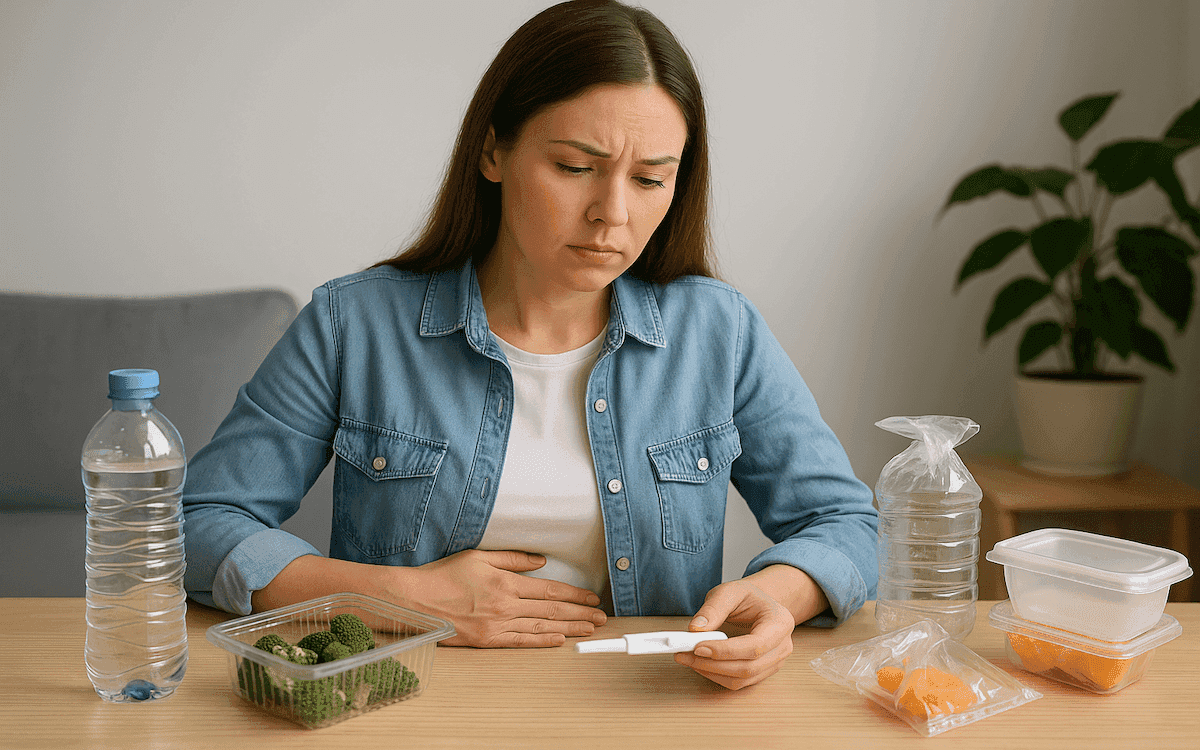
Environmental chemicals often go unnoticed in daily life, yet they can influence hormone balance and reproductive health in powerful ways. Among them, Bisphenol A (BPA) is one of the most widely used and most studied. It appears in plastics, packaging, and food containers, and research increasingly links BPA exposure to disrupted hormone activity and reduced fertility in both men and women.
For many individuals facing unexplained fertility challenges, understanding how BPA affects the body can be an important missing piece of the puzzle.
Quick answer: BPA can mimic oestrogen, disturb the endocrine system, and interfere with reproductive processes such as ovulation, sperm production, and hormone regulation. High exposure is linked to reduced sperm quality, altered fertility hormones, PCOS symptoms, and endometriosis-related inflammation. While BPA cannot be eliminated entirely, reducing plastic use, avoiding heat exposure to plastics, improving diet quality, and supporting natural detox pathways can lower BPA levels and support reproductive wellbeing.

Lifestyle matters for fertility. A BMC Public Health study found that women with 4–5 healthy habits had a 59% lower risk of infertility.
Fill out the questionnaire, and get a personalised, holistic and evidence-based programme tailored to you.
 takes 3 minutes to complete
Bisphenol A (BPA) is used to harden plastics and line containers. It appears in:
Research shows that over 90% of people worldwide have detectable BPA in their bodies (PubMed). This is not surprising, given how often plastics come into contact with food and drink.
The issue is not the presence of BPA alone but its oestrogen-like behaviour. BPA acts as an endocrine disruptor, meaning it can interfere with the hormonal messages that regulate fertility, development, metabolism, and reproduction. This disruption is central to the growing interest in BPA and fertility research.
These hormonal shifts can influence ovulation, egg development, sperm production, and broader metabolic processes.
BPA exposure mainly occurs when plastics are heated, stressed, or worn. The chemical can leach into food, drinks, and the environment.
Common sources include:
Even light wear can release BPA into food and beverages. Once ingested, BPA is absorbed into the bloodstream, stored in body fat, and can pass through the placenta or into breast milk (Nutrients Journal).
Testing is possible, but its usefulness depends on the method.
BPA is metabolised quickly, so blood levels reflect only very recent exposures and fluctuate widely. For this reason, blood testing is not considered a reliable measure of long-term exposure.
This content is for educational purposes only. It has been reviewed for scientific accuracy, but it does not constitute medical advice, diagnosis, or treatment. Always consult a qualified healthcare professional regarding medical questions or fertility treatment decisions.
Reviewed for scientific accuracy by: Dr. Mona Bungum
Last reviewed: January 2026
Lifestyle matters for fertility. A BMC Public Health study found that women with 4–5 healthy habits had a 59% lower risk of infertility.
Fill out the questionnaire, and get a personalised, holistic and evidence-based programme tailored to you.
takes 3 minutes to completeUrine testing is currently the most reliable indicator. It reflects cumulative exposure over the previous 24 hours and is the method favoured in large population studies by organisations such as the CDC and WHO.
Advanced BPA testing (using HPLC or LC-MS/MS) is available in specialist labs and some private clinics, but results should be viewed as informational rather than diagnostic.
Testing may help identify high exposure, but for most people, the better strategy is focusing on reducing BPA intake and supporting the body’s natural detox pathways.
BPA’s impact comes from its ability to imitate oestrogen and interfere with hormone receptors. This can disrupt:
Because hormones operate on a delicate feedback system, even small disruptions can affect fertility.
If you are exploring fertility challenges more broadly, you may find unexplained infertility useful for understanding mixed or unclear causes.
Although BPA is often discussed in relation to women, it significantly affects male reproductive health as well.
Research shows that BPA can:
These changes can make conception more difficult and may contribute to unexplained fertility delays.
At-home sperm kits can offer a first look at sperm count and motility. However, they cannot assess morphology, vitality, or DNA fragmentation. A clinic-based semen analysis remains the gold standard.
If you want a clearer overview of clinical fertility options, the guide on how to become a parent with fertility treatment provides helpful context.
Not always. When manufacturers remove BPA, they often replace it with chemicals like BPS or BPF. Studies show these compounds can disrupt hormones in very similar ways.
The safest approach is to reduce plastic use overall, particularly plastics that come into contact with heat or food.
BPA does not remain in the body indefinitely. Once exposure decreases, levels can drop significantly within a few days. Supporting your natural detoxification pathways helps this process.
These compounds support liver function and antioxidant defence, which help the body process and eliminate BPA.
These habits help lower oxidative stress and support hormone balance. You may also read about Microplastics Fertility Risks.
You cannot eliminate BPA completely, but you can dramatically reduce your exposure with consistent habits.
Daily changes that make a difference:
Research shows BPA levels can drop significantly within days of reducing exposure.
For individuals or couples trying to conceive, reducing exposure to endocrine disruptors can support a more balanced hormonal environment. This does not replace medical treatment, but it complements it.
Healthy hormone function is essential for:
Environmental health is now recognised as an important part of overall reproductive wellbeing. If medical testing has not provided clear answers, environmental exposures may be a helpful area to explore. You can learn more about the assisted conception pathway in the IVF process explained resource.
BPA can mimic oestrogen and interfere with the hormones that regulate ovulation, menstrual cycles, and reproductive function. Higher BPA exposure has been linked to altered hormone levels, increased inflammation, and conditions such as PCOS and endometriosis. It does not cause infertility on its own but may contribute to fertility challenges.
Yes. BPA is an endocrine disruptor, meaning it can interfere with hormone signalling in the body. It can bind to oestrogen receptors, affect thyroid hormones, alter testosterone levels, and disrupt the normal balance of reproductive hormones. Even small amounts may influence hormone regulation over time.
Certain plastics that contain BPA, BPS, or similar chemicals can influence fertility by disrupting hormone activity. These chemicals may affect ovulation, egg quality, sperm production, and reproductive function. Reducing contact with heated or worn plastics can help limit exposure.
Fertility can be affected by several factors, including:
Genetics and age
Hormonal imbalances
Endometriosis or PCOS
Smoking and alcohol
Poor diet and high stress
Exposure to endocrine disruptors such as BPA
Environmental toxins and microplastics
Most factors do not cause immediate infertility but can reduce reproductive efficiency over time.
Some plastics contain BPA or similar chemicals that behave like synthetic hormones. These chemicals can disrupt the endocrine system and influence oestrogen, testosterone, thyroid hormones, and metabolic pathways. The impact depends on the level and frequency of exposure.
There is no quick way to flush microplastics out of the body. However, supporting natural detox pathways can help minimise the effects of exposure. Helpful steps include eating fibre-rich foods, staying hydrated, reducing plastic use, and prioritising antioxidant-rich meals. Limiting future exposure is the most effective approach.
No. BPA is not oestrogen, but its chemical structure allows it to mimic some of oestrogen’s actions. It can bind to hormone receptors and interfere with natural signalling, which is why it is classified as an endocrine disruptor.
You can reduce BPA exposure by:
Choosing fresh or frozen foods instead of canned ones
Using glass or stainless-steel containers
Avoiding microwaving food in plastic
Minimising contact with thermal receipts
Replacing worn or scratched plastic containers
BPA levels can drop within days when exposure decreases.
Yes. BPA has been linked to reduced sperm count, lower motility, and impaired sperm DNA integrity. It may also influence testosterone levels. These changes can make conception more difficult, especially when combined with other lifestyle or environmental factors.
Endocrine disruptors are chemicals that interfere with hormone production, signalling, or balance. Common examples include BPA, phthalates, some pesticides, and certain industrial compounds. They can affect fertility, metabolism, and development depending on the level and duration of exposure.
BPA exposure is nearly unavoidable in modern life, but its effects on fertility and hormone regulation are well documented. The encouraging truth is that you can reduce your exposure through small and consistent habits. Choosing glass containers, avoiding heated plastics, limiting canned foods, and prioritising whole, fresh meals all support hormone balance.
Supporting your natural detox pathways with antioxidant-rich foods also helps the body process and eliminate BPA more effectively.
At Conceivio, we believe in combining compassion with science to guide you through your fertility journey. Environmental factors like BPA are only one piece of the puzzle, but understanding and addressing them can help create a healthier foundation for conception.