
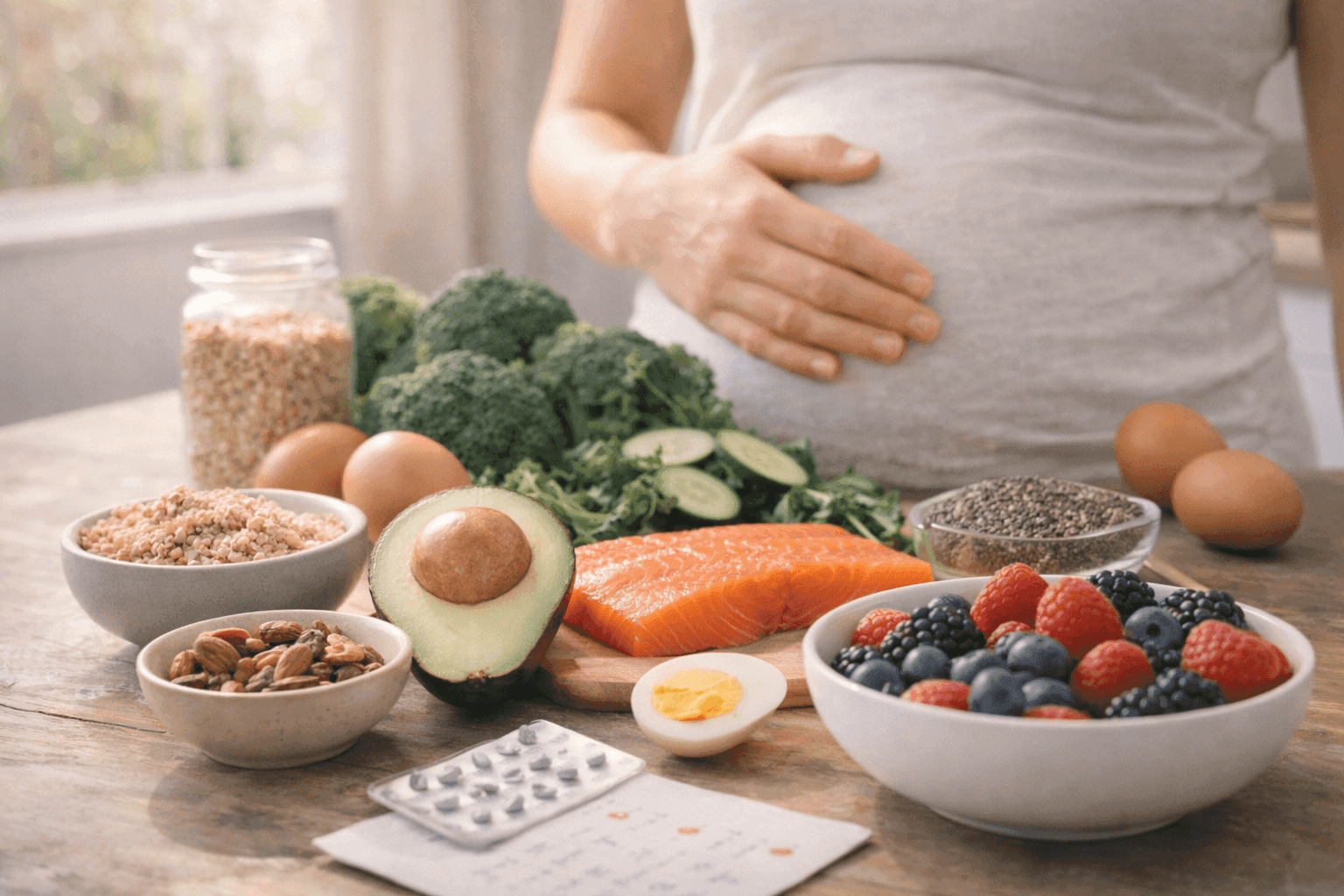
Studies have shown that certain dietary and lifestyle changes can help alleviate the symptoms of PCOS and enhance fertility outcomes.

Lifestyle matters for fertility. A BMC Public Health study found that women with 4–5 healthy habits had a 59% lower risk of infertility.
Fill out the questionnaire, and get a personalised, holistic and evidence-based programme tailored to you.
 takes 3 minutes to complete
This is a common concern, and many women are quickly referred to fertility clinics for further treatment. But what if there were another way to not only boost your chances of pregnancy but also improve your overall health? Here's where you can begin...
Identifying whether you are ovulating is essential when trying to conceive with polycystic ovary syndrome (PCOS). Ovulation occurs when an egg is released from the ovaries, but this can be harder to track with PCOS. Monitoring your cycle is key.
Ways to check for ovulation:
A common feature of PCOS is insulin resistance, where the body's cells become less responsive to insulin, the hormone that helps regulate blood sugar. Around 35-85% of women with PCOS experience this issue. Elevated insulin levels can cause several symptoms, including:
Managing insulin resistance often involves following a diet that keeps insulin levels in check, supports metabolism, and balances hormones.
Diet can make a big difference! Eating high-quality proteins and healthy fats, along with moderate amounts of low glycemic index (GI) carbs, can help. Low GI carbs, such as rolled oats, quinoa, whole grains, and sweet potatoes, are absorbed more slowly and are less likely to spike insulin levels.
Women with PCOS may have higher oxidative stress and low-grade inflammation than women without PCOS.
Oxidative stress can damage cells and DNA, including eggs. An anti-inflammatory diet has been shown to improve blood sugar regulation, menstrual cycles, ovulation rates, egg quality, and lower androgen levels.
The Mediterranean diet has been a key focus in anti-inflammatory dietary approaches for PCOS, with promising results. This diet includes whole grains, olive oil, oily fish, legumes, vegetables, fruits, and nuts. For example:
This content is for educational purposes only. It has been reviewed for scientific accuracy, but it does not constitute medical advice, diagnosis, or treatment. Always consult a qualified healthcare professional regarding medical questions or fertility treatment decisions.
Reviewed for scientific accuracy by: Dr. Mona Bungum
Last reviewed: February 2025
Lifestyle matters for fertility. A BMC Public Health study found that women with 4–5 healthy habits had a 59% lower risk of infertility.
Fill out the questionnaire, and get a personalised, holistic and evidence-based programme tailored to you.
takes 3 minutes to completeIn conclusion, diet is crucial for managing PCOS symptoms. Women with PCOS should avoid a diet rich in refined carbs, opting instead for a balanced intake of carbs, proteins, and fats. An anti-inflammatory eating plan, such as the Mediterranean diet, may also be helpful. While these nutritional strategies can aid in managing PCOS, it’s always a good idea to consult a healthcare professional for personalized guidance.