
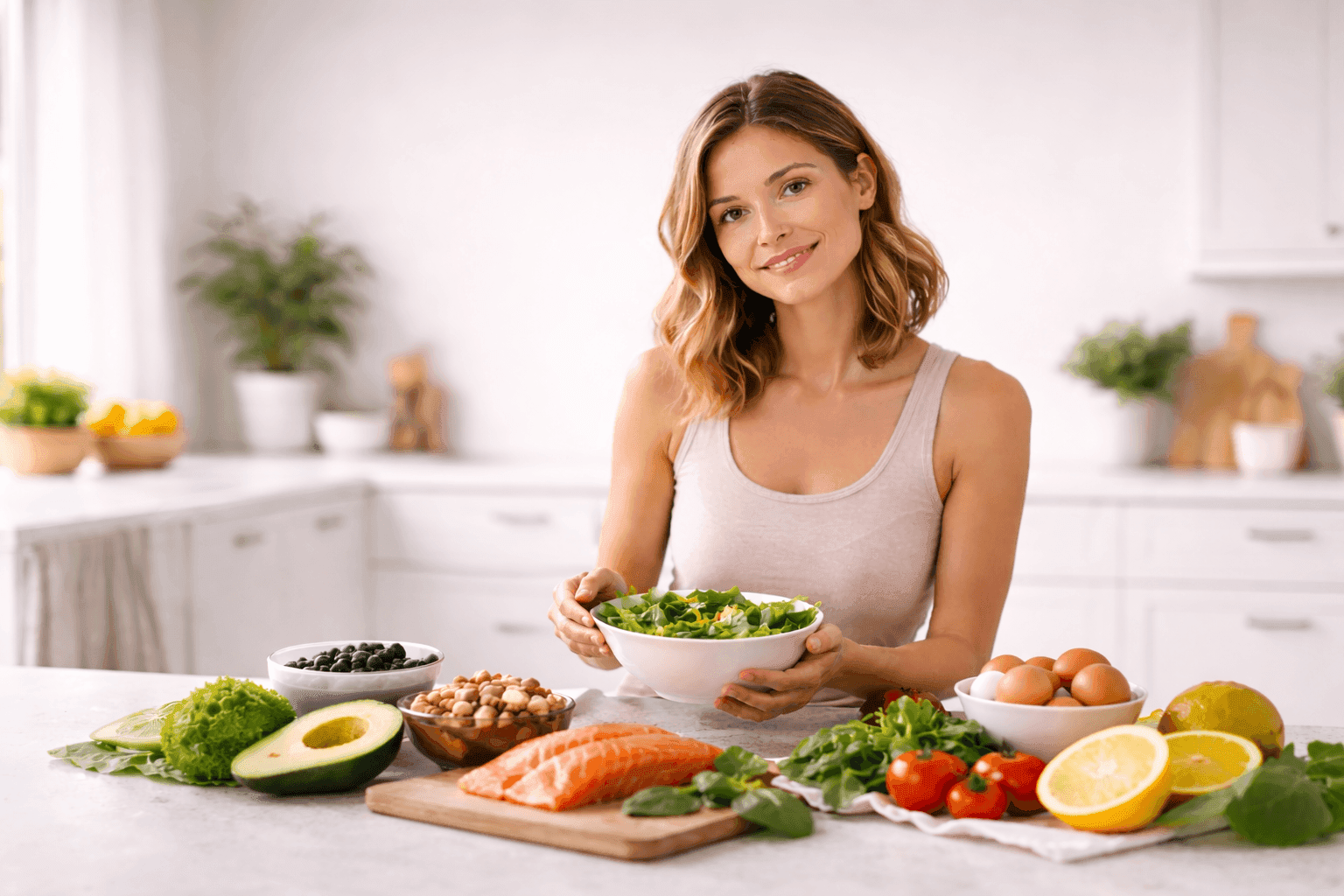
Trying to conceive can feel overwhelming, especially when faced with uncertainty about what really works. One of the biggest questions couples ask is what foods to eat to improve egg quality and support ovulation. With so much conflicting information online about foods to avoid when trying to conceive or what foods make you less fertile, it’s easy to feel confused and anxious.
The good news is that evidence shows diet plays a crucial role in reproductive health. From improving hormone balance to supporting ovarian reserve and sperm quality, nutrition has a direct impact on fertility outcomes. The humble chickpea and quinoa burger is more than just a plant-based meal, it is packed with nutrients that fall into the category of foods to help egg quality and foods that support ovulation.
By learning how to harness the power of fertility-boosting foods and understanding which foods to avoid while trying to conceive, you can take an empowering step toward improving your chances of conception.

Lifestyle matters for fertility. A BMC Public Health study found that women with 4–5 healthy habits had a 59% lower risk of infertility.
Fill out the questionnaire, and get a personalised, holistic and evidence-based programme tailored to you.
 takes 3 minutes to complete
The quality of eggs is one of the most important factors in female fertility. While age remains the strongest determinant, nutrition can influence egg health by reducing oxidative stress and supporting mitochondrial function in the eggs themselves.
Research confirms that diets rich in antioxidants, healthy fats, and micronutrients are linked to improved ovarian reserve and egg health (PubMed research on dietary antioxidants and ovarian health). Chickpeas, for example, are high in folate and iron, two nutrients critical for healthy ovulation. Quinoa adds plant-based protein and B vitamins, while peas provide lutein, an antioxidant shown to support follicle development.
These ingredients make chickpea and quinoa burgers an ideal example of foods to increase egg quality that also fit easily into everyday meals.
Eggs are highly sensitive to oxidative stress. Excessive free radical activity can damage DNA, reduce embryo viability, and contribute to infertility. Antioxidant-rich foods, including spinach, coriander, peas, and quinoa, help neutralise free radicals.
Studies highlight that women who eat diets high in fruits, vegetables, and whole grains rich in antioxidants show better egg quality and higher pregnancy rates compared to women who consume diets high in processed foods (Cell Metabolism review on nutrition and reproduction).
Nutrition needs shift throughout the menstrual cycle. Learning which foods for the follicular phase or foods to eat in the luteal phase are most beneficial allows you to support your body at the right time.
This content is for educational purposes only. It has been reviewed for scientific accuracy, but it does not constitute medical advice, diagnosis, or treatment. Always consult a qualified healthcare professional regarding medical questions or fertility treatment decisions.
Reviewed for scientific accuracy by: Dr. Mona Bungum
Last reviewed: November 2025
Lifestyle matters for fertility. A BMC Public Health study found that women with 4–5 healthy habits had a 59% lower risk of infertility.
Fill out the questionnaire, and get a personalised, holistic and evidence-based programme tailored to you.
takes 3 minutes to completeBy cycling your nutrition in this way, you create the best environment for ovulation and implantation.
The ovulation phase is a key window for fertility. Foods to eat while ovulating include protein-rich grains like quinoa, legumes like chickpeas, and leafy greens like spinach. These foods provide B vitamins, folate, and antioxidants that nourish developing follicles.
A study published in Human Reproduction found that higher intakes of plant-based protein were associated with improved fertility outcomes and lower risk of ovulatory infertility (PubMed plant protein and ovulation study).
Just as some foods can improve egg quality, others may reduce fertility. Identifying foods to avoid when trying to conceive is essential.
When couples ask what foods make you less fertile, these are at the top of the list. Processed, fried, or highly sugary foods are key foods to avoid while TTC (trying to conceive).
Here is a practical checklist of things to avoid when trying to get pregnant:
These categories capture common foods to avoid if trying to get pregnant and foods to avoid during ovulation, as they may interfere with hormone balance.
The chickpea and quinoa burger recipe is a practical example of how to turn fertility research into everyday meals. It brings together complete plant protein, fibre, iron, B vitamins, folate, and antioxidants nutrients consistently linked with improved reproductive health.
Here’s a breakdown of the fertility benefits of key ingredients:
Eating meals like these regularly integrates foods to improve egg quality and foods that support ovulation into your lifestyle in an easy, enjoyable way.
Nutrition is central, but other lifestyle factors are equally important for fertility. Stress, sleep, and body weight all influence ovulation and egg quality.
A study published in BMC Public Health highlighted the psychological burden of infertility, showing that stress reduction and supportive lifestyle changes can improve outcomes for couples trying to conceive (BMC Public Health study on infertility and wellbeing).
By combining healthy eating with adequate rest, moderate exercise, and stress management, couples create a holistic foundation for conception.
Improving egg quality through diet is one of the most empowering steps you can take on your fertility journey. Chickpea and quinoa burgers are more than a delicious plant-based option they are foods to eat to improve egg quality, support ovulation, and enhance overall reproductive health.
At the same time, being aware of foods to avoid when TTC and things to avoid when trying to get pregnant ensures you aren’t accidentally undermining your fertility efforts.
For more guidance on nutrition and fertility, explore these expert resources from Conceivio: