00:00:00 Con demasiada frecuencia, no podemos o no nos tomamos el tiempo para descansar de verdad, para desconectar de este ritmo de vida tan acelerado que llevamos. Y la verdad es que el COVID nos ha mostrado lo acelerado que era nuestro mundo antes, y ha tenido sus cosas buenas, porque nos ha enseñado lo bien que sienta bajar el ritmo de vez en cuando. ese descanso tuvo un efecto enorme en mi ciclo después, ese descanso tuvo un efecto enorme en mi ciclo después, fue muy interesante y me demostró claramente, tanto a mí como a mis clientes, la enorme importancia del descanso, especialmente cuando muchos sufren de estrés crónico. Recuerda que el descanso no cuesta nada y es literalmente el sanador más poderoso, pero es algo que, según veo con mis clientes, es una de las cosas que más nos cuesta,
00:00:54 porque cuando te falta tiempo, es al sueño al que le robas horas. Pero ya sabes que no deberíamos hacerlo: dormir es realmente el poder de sanación, Pero ya sabes que no deberíamos hacerlo: dormir es realmente el poder de sanación, cuando dormimos. Realmente estoy empezando a sentir cómo sube mi nivel de energía. Mi ciclo y mi menstruación han mejorado muchísimo desde ese descanso, y realmente me he centrado en mi sueño, que es una señal clara de que mi cuerpo se está fortaleciendo, de que mi chi está más fuerte. Voy a empezar con un poco de información general sobre la endometriosis Voy a empezar con un poco de información general sobre la endometriosis
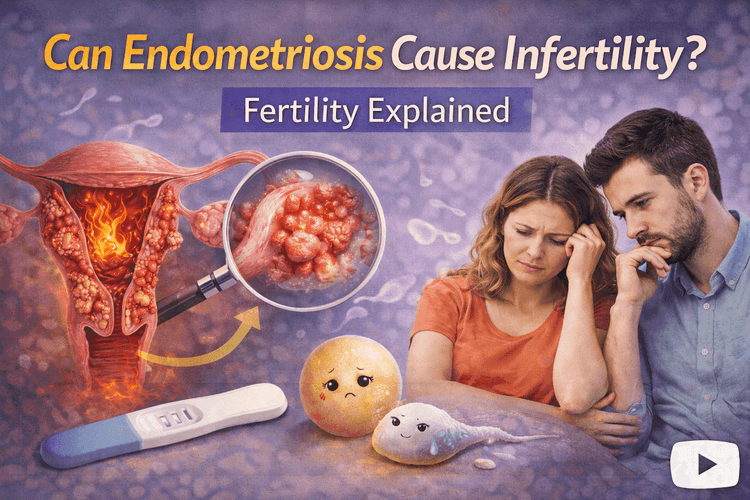
00:01:30 y luego hablaremos de las formas en que la endometriosis puede afectar directa e indirectamente a tu fertilidad. No tengo tiempo suficiente para entrar en detalle sobre las acciones que puedes tomar para optimizar tu fertilidad en este episodio, aunque mencionaré una o dos cuando sea apropiado, pero lo cubriré en el episodio dos la próxima semana, ya que hay muchas cosas que puedes hacer. Lo creas o no, la endometriosis es una enfermedad común y a menudo debilitante para las mujeres durante sus años reproductivos. años, y no necesito decírtelo. Según Diane Stefferson-Mills, años, y no necesito decírtelo. Según Diane Stefferson-Mills, los ginecólogos especializados en reproducción la reconocen como la segunda dolencia ginecológica más frecuente en
00:02:09 mujeres, lo cual es una locura. Aquí van algunas estadísticas más locas de las que seguro ya eres consciente, y si no las conoces, es muy importante saberlas. Se calcula que una de cada 10 mujeres tiene endometriosis, es decir, entre el 6 y el 10 por ciento de la población femenina general, pero hasta el 50% en mujeres con subfertilidad o infertilidad. Esto equivale a un millón y medio pero hasta el 50% en mujeres con subfertilidad o infertilidad. Esto equivale a un millón y medio en el Reino Unido y más de 176 millones en todo el mundo, según cifras de 2017. Lo que me resulta realmente difícil de aceptar es que, por término medio, las mujeres tardan siete años y medio en recibir un diagnóstico, y para muchas es mucho más largo que eso. más que eso. A mí me llevó casi 25 años conseguir un diagnóstico. Ahora esos
00:02:54 Las estadísticas son inmensas y francamente chocantes, y por eso tenemos que hablar más de este tema. Las estadísticas son inmensas y francamente chocantes, y por eso tenemos que hablar más de este tema. para que las mujeres lo sepan antes de intentar quedarse embarazadas. Puede afectar a cualquiera, independientemente del lugar del mundo donde viva, su tipo de cuerpo, raza, color, estatus social, etc. Podría pasarme todo el podcast hablando de esto, pero no voy a hacerlo. Ahora, la palabra endometriosis significa que algunas de las células de nuestro cuerpo básicamente están creciendo en el lugar equivocado.
00:03:25 Son células similares a las que crecen dentro del útero, pero están fuera del útero y pueden crecer en cualquier parte, aunque es más común que lo hagan alrededor de los ovarios. pero están fuera del útero y pueden crecer en cualquier parte, aunque es más común que lo hagan alrededor de los ovarios. y en la cavidad peritoneal que comúnmente se conoce como abdomen. El problema se produce cuando estas células actúan de la misma manera que en el útero, en el sentido de que son tejidos ricos en nutrientes que acumulan sangre y luego se descomponen y sangran junto con el ciclo menstrual. Aquí es donde radica uno de los principales problemas porque no hay ningún sitio adonde pueda ir esta sangre como ocurre con la menstruación al salir del útero. En cambio, puede causar inflamación, dolor
00:03:55 como ocurre con la menstruación al salir del útero. En cambio, puede causar inflamación, dolor y tejido cicatricial. Así que el tejido cicatricial o tejido conectivo fibroso se forma a medida que el cuerpo intenta aislar los crecimientos endometriales poniendo una especie de parche o costra encima. Ahora bien, este tejido luego se espesa y se endurece como se puede ver cuando se tiene tejido cicatricial en la piel después de un corte. Esto tiene cierto sentido, ¿no? Pero el problema es que esto El tejido cicatricial puede pegar los tejidos cercanos mientras aún está blando. El tejido cicatricial puede pegar los tejidos cercanos mientras aún está blando. aquí es donde se producen los verdaderos problemas, ya que los órganos pueden adherirse a lugares donde no deberían y provocar distorsiones,
00:04:40 más dolor y problemas funcionales como mala motilidad intestinal, infertilidad tubárica. Vale, quiero de entrar directamente en cómo la endometriosis puede afectar a la fertilidad en lugar de entrar en más detalles sobre cómo afecta la endometriosis al organismo en general. Nuestra fertilidad puede verse afectada de varias maneras, algunos directamente y otros indirectamente. He aquí las siete claves que he encontrado en mi investigación, algunos directamente y otros indirectamente. He aquí las siete claves que he encontrado en mi investigación, aunque cabe señalar que aún se desconoce el mecanismo exacto. Tres formas directas incluyen el número uno, los bloqueos de las trompas de Falopio. Las trompas de Falopio son tan delgadas como un cabello... que es muy pequeño y cuando se produce la ovulación se hinchan en respuesta a un aumento de estrógeno.
00:05:28 La fecundación tiene lugar en el tercio superior, por lo que los espermatozoides tienen que recorrer un largo camino. La fecundación tiene lugar en el tercio superior, por lo que los espermatozoides tienen que recorrer un largo camino. y el orgasmo de una mujer puede ayudar mucho porque ayuda a impulsar los espermatozoides más arriba en la trompa de Falopio. Lamentablemente, las trompas de Falopio pueden obstruirse fácilmente por lesiones de endometriosis y tejido cicatricial a lo largo o sobre estas trompas que pueden impedir que el espermatozoide llegue al óvulo o que el óvulo fecundado llegue al útero. Otra forma es que los quistes de chocolate, que son quistes ováricos llenos de líquido que aparecen Otra forma es que los quistes de chocolate, que son quistes ováricos llenos de líquido que aparecen
00:06:01 en lo profundo del ovario, pueden llegar a distorsionar las trompas de Falopio, de modo que éstas estas proyecciones con forma de dedos no pueden alcanzar el ovario, por lo que el óvulo no puede pasar a la trompa de Falopio. tubos. Una cosa que realmente puede ayudar con los bloqueos, dependiendo de la extensión y por qué está bloqueado es el masaje abdominal y la terapia. Ahora hay un muy buen episodio de podcast por Lisa Hendricks y Jack en el podcast Fertility Friday con Larry y Belinda Worm. Lisa Hendricks y Jack en el podcast Fertility Friday con Larry y Belinda Worm. Lo pondré en las notas del programa, pero me encantó y, como masajista, conectó mucho conmigo. conmigo y los resultados positivos que estos dos han logrado realmente con la terapia abdominal.
00:06:44 terapia. Ahora es especialmente esperanzador para cualquiera de ustedes que tiene las trompas bloqueadas y si desea saber hacer un automasaje abdominal tengo un video tutorial disponible que también pondré en las notas del programa. El segundo es la mala calidad y recuento de óvulos. Ahora quistes o endometriomas ováricos como son las notas del programa. El segundo es la mala calidad y recuento de óvulos. Ahora quistes o endometriomas ováricos como son conocidas ocurren en alrededor del 17 al 44 por ciento de las mujeres con endometriosis y suelen asociarse a formas más graves de la enfermedad. Ahora bien, cuando los quistes, las lesiones o los tejidos cicatriciales crecen en, sobre o dentro de los ovarios puede dar lugar a un menor número de óvulos y a una maduración deficiente de los óvulos, resultando en una calidad subóptima calidad y su capacidad para ser fecundado. Esto explicaría por qué los estudios han encontrado que las mujeres
00:07:26 calidad y su capacidad para ser fecundado. Esto explicaría por qué los estudios han encontrado que las mujeres con endometriosis experimentan una mayor tasa de abortos espontáneos precoces, es decir, en las primeras seis semanas y A menudo puede que ni siquiera seas consciente de que te has quedado embarazada. Hay varias razones por las que puede producirse una mala calidad de los óvulos. La primera se debe a las secreciones químicas que provienen de los tejidos endometriósicos. Estas secreciones no sólo contienen sangre, sino muchas cosas, entre ellas citoquinas, que son células inmunitarias inflamatorias tóxicas para los óvulos y los embriones preimplantacionales. citoquinas, que son células inmunitarias inflamatorias tóxicas para los óvulos y los embriones preimplantacionales. La investigación ha demostrado que con el tiempo la calidad de los óvulos mejora tras la extirpación de los quistes,
00:08:10 aunque todavía hay que investigar sobre ello. La segunda razón son otras sustancias químicas como prostaglandinas y el exceso de estrógeno, del que hablaré en un momento, ya sea natural o externo, puede ser perjudicial para la concepción. Y luego la tercera razón, la cirugía repetida que implica trabajo externo, puede ser perjudicial para la concepción. Y luego la tercera razón, la cirugía repetida que implica trabajo en los ovarios, lamentablemente, ha demostrado tener un efecto negativo en la reserva ovárica. a pesar de que mejora la calidad de los propios óvulos. Por eso es tan importante considerar tus opciones si tienes quistes y estás considerando operarte
00:08:46 si quieres una familia. O puede que no quieras operarte si en realidad solo quieres que dejen los óvulos intactos mientras te operan en otras partes del abdomen. Hay pros y contras y este es un tema enorme y no puedo cubrirlo aquí y no puedo cubrirlo aquí pero necesitas investigar antes de operarte
00:09:03 e informar a tu cirujano experto en escisión de tu deseo de tener una familia y discutirlo con él en detalle. Ahora, la tercera forma directa en que la endometriosis puede afectar tu fertilidad es que puede reducir el flujo sanguíneo. Los ovarios necesitan sangre con oxígeno fresco y nutrientes para madurar óvulos sanos. El tejido cicatricial puede comprometer la llegada de sangre a los ovarios y su interior, lo que significa menos oxígeno y El tejido cicatricial puede comprometer la llegada de sangre a los ovarios y su interior, lo que significa menos oxígeno y nutrientes, y menos toxinas pueden ser eliminadas. Niveles más bajos de oxígeno pueden significar los óvulos no maduran tan bien, por lo que es menos probable que puedan fecundarse o implantarse
00:09:45 muy bien. Un estudio descubrió que la cirugía para eliminar el tejido cicatricial mejoró el flujo sanguíneo a los ovarios. Esta es otra razón por la que el masaje abdominal o la terapia es realmente bueno porque realmente puede ayudar a romper el tejido cicatricial y aumentar el flujo sanguíneo a la zona pélvica. bueno porque realmente puede ayudar a romper el tejido cicatricial y aumentar el flujo sanguíneo a la zona pélvica. Hay cinco formas indirectas, aunque todas interrelacionadas de alguna manera, en las que he descubierto que la endometriosis afecta a la fertilidad. Espero haberlas explicado con claridad, ya que puede resultar difícil sin diagramas. y fotos. La primera es un sistema inmunitario desregulado. La endometriosis está asociada con un sistema inmunitario desregulado o, como yo lo llamo, desorganizado. Nuestro sistema inmunológico está ahí para
00:10:25 un sistema inmunitario desregulado o, como yo lo llamo, desorganizado. Nuestro sistema inmunológico está ahí para nos protege de las células extrañas o anormales de nuestro organismo. Ahora bien, es posible que haya oído hablar de las enfermedades autoinmunes es cuando nuestro organismo ataca por error a los propios tejidos sanos del cuerpo. En contraste con endometriosis el cuerpo no reconoce las lesiones endometriales que están creciendo en el lugar equivocado lugar como extraño y esto da lugar a una respuesta inmunitaria mal coordinada, razón por la cual Algunos consideran que la endometriosis es una enfermedad inmunitaria que aún no se comprende del todo. Por desgracia, Algunos consideran que la endometriosis es una enfermedad inmunitaria que aún no se comprende del todo. Por desgracia, disminuye la actividad de las células asesinas naturales y, sin embargo, aumenta la inflamación
00:11:06 y este es un fenómeno conocido como contrainflamación. La contrainflamación significa inflamación que contribuye a una menor coordinación en la respuesta inmunitaria para controlar el crecimiento de células irregulares. En relación con la fertilidad, el aumento de la progesterona durante la fase lútea, o en otras palabras, la segunda mitad de tu ciclo, actúa regulando a la baja el sistema inmunológico para que en otras palabras, la segunda mitad de tu ciclo, actúa regulando a la baja el sistema inmunológico para que nuestro organismo no rechaza el esperma ni el óvulo, ni siquiera el embrión en desarrollo. Por lo tanto, si tienes baja progesterona como resultado de desequilibrios hormonales y un aumento de inflamación en lugares inadecuados puede provocar el rechazo de los tres. Hay muchas medidas que puedes tomar para mejorar tu
00:11:51 sistema inmunitario, pero un aspecto clave es mejorar la salud intestinal, donde se produce el 70% de la inmunidad. Así que la segunda forma indirecta es a través de la inflamación. Como mencioné, el sistema inmunológico es más Así que la segunda forma indirecta es a través de la inflamación. Como mencioné, el sistema inmunológico es más a menudo desregulado y da lugar a una inflamación en la cavidad peritoneal que es en el abdomen y el líquido peritoneal que contiene un mayor número de células inmunitarias incluyendo macrófagos, mastocitos, células asesinas naturales y células T, así como factores de crecimiento elevados, quimioquinas y citoquinas inflamatorias. Así que eso es un montón de cosas y probablemente estás pensando: Dios mío, no tengo ni idea de qué estás hablando y no voy a entrar en el tipo individual
00:12:28 Dios mío, no tengo ni idea de qué estás hablando y no voy a entrar en el tipo individual de la química de todas esas cosas, pero ten en cuenta que como resultado el líquido peritoneal que recubre el exterior del útero y la zona pélvica se vuelve tóxico y puede entonces afectar a la reserva ovárica, la calidad del óvulo y del embrión e incluso dificultar la implantación del embrión. en el revestimiento uterino. Por eso es que reducir la inflamación es un paso muy importante para mejorar tu salud en general y tu fertilidad. El número tres es el desequilibrio hormonal. mejorar tu salud en general y tu fertilidad. El número tres es el desequilibrio hormonal. La endometriosis aumenta el estrógeno y esto provoca un desequilibrio con la progesterona.
00:13:10 El sistema endocrino es una máquina finamente afinada y cualquier parte que esté desequilibrada tendrá un efecto dominó, ya que otras glándulas endocrinas intervienen para ayudar y compensar los desequilibrios que provocan un mayor desequilibrio. Por eso, para algunas mujeres un desequilibrio en sus niveles de estrógeno y La progesterona, especialmente combinada con un estrés elevado, puede tener un efecto en cadena sobre la tiroides. La progesterona, especialmente combinada con un estrés elevado, puede tener un efecto en cadena sobre la tiroides. que afecta a la salud del óvulo y la ovulación. El número cuatro son las prostaglandinas elevadas. Las prostaglandinas son hormonas que intervienen en muchas funciones del organismo. pero están más relacionadas con nuestra salud reproductiva. Concretamente, intervienen en la ovulación,
00:13:51 La ruptura del cuerpo lúteo, que se produce si no te quedas embarazada y señala el final del embarazo. del ciclo y, por tanto, el inicio de la menstruación. Las interacciones inmunitarias, la motilidad de del ciclo y, por tanto, el inicio de la menstruación. Las interacciones inmunitarias, la motilidad de espermatozoides y contracciones. Son secretadas por los tejidos endometriales normales del útero como así como el crecimiento endometrial fuera del útero en mujeres con endometriosis. Ahora bien, si están elevados en el momento equivocado en el lugar equivocado debido a la endometriosis pueden interferir con la fecundación del embrión y muchos otros elementos de la reproducción. Las prostaglandinas liberados por el crecimiento fuera del útero se ha demostrado que lo hacen fuera de sincronía con la liberación dentro de
00:14:26 liberados por el crecimiento fuera del útero se ha demostrado que lo hacen fuera de sincronía con la liberación dentro de el útero, lo que envía mensajes erróneos y puede tener consecuencias nefastas. Y curiosamente Las grasas de los productos lácteos y de la carne pueden elevar ciertas prostaglandinas y, en concreto, la PGE2, por lo que un exceso de consumo puede realmente causar un problema. Así que esta es una de las razones por las por las que la gente dice que no debes consumir demasiados lácteos ni carne y también tener cuidado con las fuentes de dónde los obtienes. Ahora, finalmente, el número cinco es algo que es mucho menos entendido es el de dónde los obtienes. Ahora, finalmente, el número cinco es algo que es mucho menos entendido es el micro es la disbiosis del microbioma. Ahora no es que se entienda menos, sino que el vínculo
00:15:12 con la fertilidad es menos conocido. Así pues, nuestro cuerpo alberga billones de bacterias y son se descubren continuamente en comunidades únicas presentes en su propio microbioma, como el intestino, sistema reproductivo, piel, nasal, boca. Quiero decir que cada rincón de tu cuerpo tiene su propio sistema reproductivo, piel, nasal, boca. Quiero decir que cada rincón de tu cuerpo tiene su propio microbioma que es ligeramente diferente del siguiente. Así que esencialmente somos bacterias y no estaríamos aquí si no tuviéramos bacterias viviendo sobre y dentro de nosotros. Lo que se ha descubierto es que existe una relación entre nuestras bacterias intestinales y la endometriosis e incluso se menciona nuestra bacterias reproductivas y endometriosis. Aunque todavía no se sabe en qué sentido se afectan mutuamente.
00:15:52 ya que se trata realmente de una ciencia en evolución. Ahora el estado de nuestro microbioma intestinal es tan importante, ya que está involucrado en tantas cosas increíbles, como la absorción de nutrientes, es tan importante, ya que está involucrado en tantas cosas increíbles, como la absorción de nutrientes, mantener la integridad de nuestro revestimiento intestinal y, por tanto, la inflamación general sistémica dentro de nuestro la comunicación intestino-cerebro, las interacciones de desintoxicación intestino-hígado, el sueño, el estrés y muchas otras cosas. cosas. Ahora bien, la conexión más clara entre intestino y fertilidad es la regulación de las hormonas sexuales, específicamente estrógeno. El microbioma intestinal tiene su propia estroboloma. Me encanta esa palabra, estroboloma, que es un subconjunto del microbioma intestinal asociado al metabolismo de los estrógenos.
00:16:36 Y aquí es donde, si está desequilibrado, puede causar la progresión de la endometriosis, lo que va a afectar nuestra fertilidad, como acabo de mencionar. Todavía se están realizando estudios al respecto, pero también se han hecho en relación con microbioma vaginal y cervical y la endometriosis y aunque aún está en sus inicios y ha mostrado microbioma vaginal y cervical y la endometriosis y aunque aún está en sus inicios y ha mostrado se ha demostrado que existen diferencias en los microbiomas entre alguien sano y digamos alguien con endometriosis en estadio tres o cuatro, ya que aquellos con endo tienen mucha más diversidad, lo cual en realidad no es deseable para tu microbioma vaginal
00:17:18 queremos la menor diversidad posible dominada por una especie de lactobacilo y esta diversidad se sabe que afecta a la fertilidad, sigue siendo un campo de investigación muy nuevo y es algo de lo que hablaré se sabe que afecta a la fertilidad, sigue siendo un campo de investigación muy nuevo y es algo de lo que hablaré con más detalle en futuros podcasts. De hecho, tengo una entrevista con una señora increíble todo sobre el estroboloma por ejemplo y es por esto que cuidar tu salud intestinal es realmente muy importante y una cosa que no he mencionado es que hay un vínculo entre tu salud intestinal y tu microbioma vaginal, así que el intestino y el microbioma vaginal están muy relacionados. al cuidar tu intestino tienes un efecto positivo en tu microbioma vaginal también. Bueno, todo esto es bastante
00:17:55 al cuidar tu intestino tienes un efecto positivo en tu microbioma vaginal también. Bueno, todo esto es bastante complicado, tan complejo como el milagro del proceso reproductivo humano, y por eso es importante mejorar los sistemas inmunitario y reproductivo y lograr que los mensajes hormonales correctos funcionen y lleguen a los lugares correctos, lo que significa que el cuerpo será menos tolerante a la endometriosis es muy importante tener en cuenta que puedes tener otras cosas relacionadas con tu endometriosis que afectan otras cosas importantes necesarias para que estés en condiciones óptimas de fertilidad. que afectan otras cosas importantes necesarias para que estés en condiciones óptimas de fertilidad. función. Ahora, una cosa muy común, por ejemplo, y ya he mencionado la salud intestinal, es
00:18:37 tener un sistema digestivo que funcione bien, porque tiene un gran impacto en tus reservas óptimas de nutrientes. Si tienes deficiencias en ciertas áreas, va a tener un efecto en cadena en lo que necesitas tanto para gestar un bebé, sino también para que ciertos sistemas funcionen, ya sea el hígado o la tiroides. tiroides. Eso es lo realmente importante y por eso siempre hablo de la importancia de la salud digestiva. Con lo que sí quiero terminar es que no todas las mujeres con endo sufren salud digestiva. Con lo que sí quiero terminar es que no todas las mujeres con endo sufren infertilidad. Para algunas solo puede tomar más tiempo que el promedio, así que es bueno que lo sepas. También hay mucho que puedes hacer para manejar tu endometriosis y optimizar tu
00:19:16 fertilidad utilizando una variedad de modalidades que incluyen intervención quirúrgica, estilo de vida natural y cambios nutricionales y tecnología de reproducción asistida. Ahora bien, si tuviera que compartir una cosa contigo hoy sería que el conocimiento es poder, porque si entiendes más sobre tu contigo hoy sería que el conocimiento es poder, porque si entiendes más sobre tu endometriosis, es más probable que te hagas preguntas y actúes, de modo que puedas empoderarte y comprender cómo puedes mejorar personalmente tu salud trabajando con un equipo bien cualificado de especialistas a tu alrededor, ya sean cirujanos terapeutas del suelo pélvico acupuntores nutricionistas y especialistas en fertilidad no tengas vergüenza de hablar y contar tu historia. Ahora bien, entiendo
00:19:56 Y si no quieres hablar de tu fertilidad, puede ser un tema muy delicado. Así que no tienes que hacerlo. Así que no tienes que hacerlo. Pero simplemente comparte tu historia sobre tu endo, ya sea cuánto tardaste en ser diagnosticada o, ya sabes, cómo te sientes. Es, ya sabes, cómo te hace sentir en tu vida privada, cómo afecta a tu trabajo. Quizás descubras que amigos cercanos y familiares están sufriendo en silencio, que no te lo han mencionado y que nunca te has dado cuenta. Así que, ya sabes, puedes acabar conectando de verdad con otras personas. Así que gracias por escuchar.
00:20:24 Espero que te haya resultado informativo y no demasiado abrumador. Creo que el conocimiento es poder. y espero que tú también lo creas. Es mejor saber a qué te enfrentas para poder tomar y espero que tú también lo creas. Es mejor saber a qué te enfrentas para poder tomar decisiones informadas para formar la familia que tanto deseas. Así que ten una gran semana. Espero charlar contigo la semana que viene sobre las cosas que puedes hacer para mejorar tu salud y optimizar tu fertilidad