Los desequilibrios hormonales pueden afectarlo todo, desde la energía y el estado de ánimo hasta la regularidad menstrual y la fertilidad. Un enfoque natural popular que ha llamado la atención de muchas mujeres que buscan equilibrar sus hormonas es la rotación de semillas para la fertilidad. Pero, ¿es realmente eficaz?
Este artículo explora qué es la rotación de semillas, cómo funciona y si realmente es una estrategia útil para mejorar tu salud reproductiva.
¿Qué es la rotación de semillas?
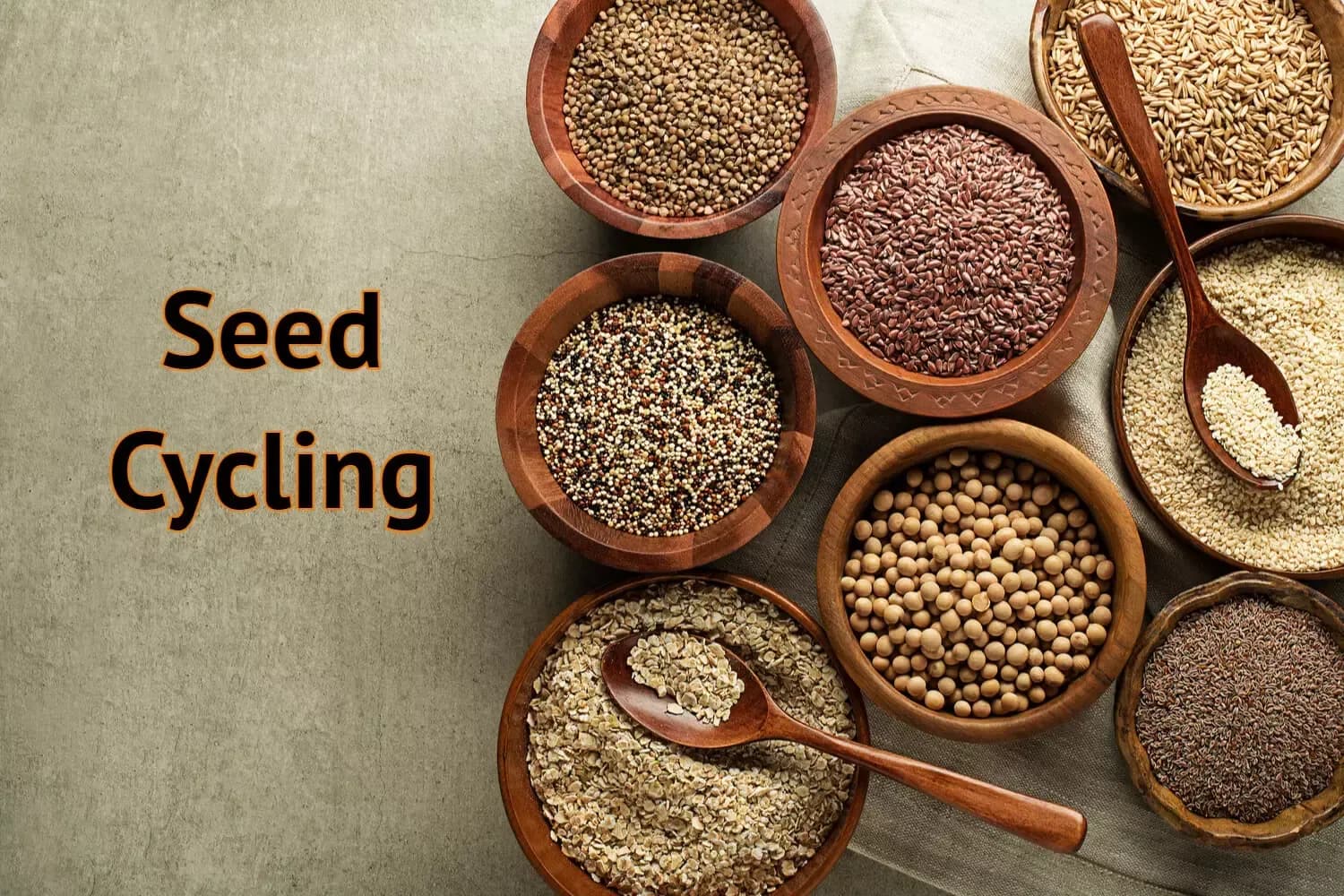
La rotación de semillas es una estrategia nutricional que consiste en comer semillas específicas en distintas fases del ciclo menstrual para favorecer el equilibrio hormonal, en particular la producción de estrógenos y progesterona. La práctica se alinea con las dos fases principales del ciclo menstrual: la fase folicular y la fase lútea.
Fase folicular (Días 1-14)
Durante la fase folicular -que comienza el primer día de tu menstruación- los niveles de estrógeno de tu cuerpo empiezan a aumentar en preparación para la ovulación. Para favorecer este proceso:
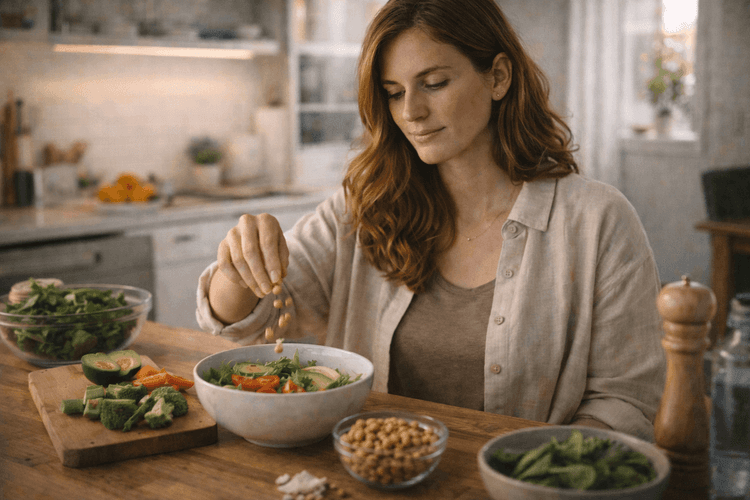
- Come: 1 cucharada diaria de semillas de lino molidas y semillas de calabaza.
- Por qué: Las semillas de lino son ricas en lignanos, que pueden ayudar a modular los niveles de estrógeno, mientras que las semillas de calabaza aportan zinc, que favorece la ovulación y la producción de progesterona en la fase siguiente.
Fase Lútea (Días 15-28)
Tras la ovulación, durante la fase lútea, la progesterona se convierte en la hormona dominante, desempeñando un papel clave en la preparación del útero para una posible implantación.
- Come: 1 cucharada diaria de semillas de sésamo molidas y semillas de girasol.
- Por qué: Las semillas de sésamo contienen lignanos y fitoestrógenos que ayudan a mantener el equilibrio hormonal, mientras que las semillas de girasol son una buena fuente de vitamina E y selenio, que favorecen la producción de progesterona.
La rotación de semillas puede adaptarse para las mujeres con periodos irregulares, SOP o que no menstrúan, siguiendo un ciclo general de 28 días y utilizando las fases lunares como guía: luna nueva para la folicular, luna llena para la lútea.
¿Cuáles son los beneficios potenciales del ciclo de semillas?
Muchas mujeres utilizan la rotación de semillas para la fertilidad y el equilibrio hormonal general. Aunque aún están surgiendo pruebas científicas, esta práctica es elogiada por su potencial para favorecer diversos aspectos de la salud reproductiva.
- Favorece el equilibrio hormonal**: Los nutrientes específicos de las semillas pueden ayudar a equilibrar los niveles de estrógeno y progesterona.
- Puede mejorar la regularidad menstrual**: Según testimonios de mujeres, la rotación de semillas puede ayudar a reducir los ciclos irregulares y aliviar los síntomas de la amenorrea.
- Reduce los síntomas del síndrome premenstrual**: Los nutrientes como los ácidos grasos omega-3, el magnesio y el zinc pueden ayudar con los cambios de humor, la hinchazón y la sensibilidad mamaria.
- Mejora la piel y el cabello**: La armonía hormonal suele reflejarse en una mayor claridad de la piel y un cabello más sano.
- Potencia la fertilidad de forma natural**: Al favorecer una ovulación regular y una fase lútea equilibrada, el ciclo de semillas puede favorecer suavemente la función reproductora.
¿La rotación de semillas ayuda a quedarte embarazada?
Muchas mujeres recurren a la rotación de semillas para la fertilidad cuando intentan quedarse embarazadas, con la esperanza de optimizar su perfil hormonal de forma natural. Aunque la investigación que examina directamente el ciclo de semillas y los resultados del embarazo es limitada, tenemos pruebas que demuestran cómo los nutrientes que se encuentran en estas semillas desempeñan un papel vital en la salud reproductiva.
Por ejemplo, se ha demostrado que las semillas de lino tienen un efecto positivo en el ciclo menstrual. Un estudio descubrió que el consumo diario de semillas de lino conducía a una ovulación más consistente y mejoraba la duración de la fase lútea en mujeres con ciclos irregulares.
El zinc -abundante en las semillas de calabaza- es esencial para el desarrollo de los folículos y la ovulación. La vitamina E y el selenio, presentes en las semillas de girasol, están relacionados con la mejora de la función de la fase lútea y el grosor del endometrio, ambos clave para la concepción.
En resumen, aunque la rotación de semillas no es un tratamiento garantizado para la fertilidad, puede ofrecer un apoyo suave y no invasivo al proporcionar nutrientes esenciales para la producción hormonal y la regulación del ciclo.
¿Quién puede beneficiarse de la rotación de semillas?
La rotación de semillas no es solo para las mujeres que intentan quedarse embarazadas: puede ser beneficioso en diversas etapas de la vida y estados hormonales, entre ellos:
- Mujeres con ciclos irregulares: Especialmente útil para las que abandonan los anticonceptivos hormonales o padecen enfermedades como el síndrome de ovario poliquístico.
- Mujeres con síndrome premenstrual: Puede ayudar a reducir síntomas como la irritabilidad, la hinchazón y la fatiga.
- Mujeres perimenopáusicas y menopáusicas: Ofrece un apoyo natural cuando los niveles hormonales empiezan a fluctuar.
- Mujeres en el posparto: Ayuda a estimular suavemente el reequilibrio hormonal tras el parto.
- Mujeres que desean concebir: Ofrece un enfoque natural, basado en los alimentos, para favorecer la ovulación regular y la fase lútea.
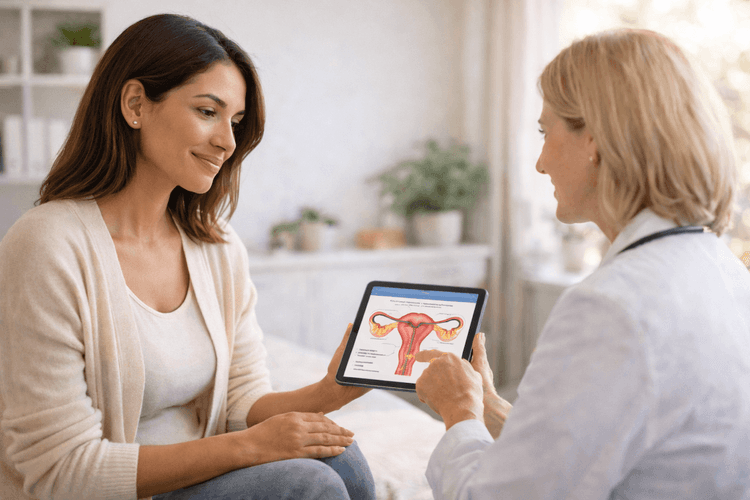
Dicho esto, la rotación de semillas no sustituye el tratamiento médico, pero puede ser un complemento útil de otras intervenciones dietéticas y de estilo de vida.
¿Qué dice la ciencia sobre la rotación de semillas?
Existe un interés creciente por la rotación de semillas para la fertilidad, pero la investigación científica centrada específicamente en esta práctica sigue siendo limitada. Sin embargo, lo que sí sabemos es que los componentes individuales de la rotación de semillas -a saber, las semillas de lino, calabaza, sésamo y girasol- son alimentos densos en nutrientes con beneficios científicamente establecidos para la salud reproductiva y hormonal.
Nutrientes de las semillas que favorecen la fertilidad
Desglosemos los nutrientes clave de cada grupo de semillas y sus funciones en la fertilidad, basadas en pruebas científicas:
- Semillas de lino: Alto contenido en lignanos y ácidos grasos omega-3. Un estudio descubrió que las mujeres que consumían lino a diario experimentaban una ovulación más regular y una relación equilibrada entre estrógenos y progesterona.
- Semillas de calabaza: Ricas en zinc, que es esencial para el desarrollo folicular y la síntesis de progesterona. También se ha demostrado que el zinc favorece la inmunidad y reduce la inflamación, dos factores importantes para la concepción.
- Semillas de sésamo: Contienen lignanos y fitoestrógenos que ayudan a mantener el equilibrio hormonal. Un ensayo clínico descubrió que los fitoestrógenos de fuentes dietéticas pueden modular la actividad estrogénica de forma beneficiosa.
Estos hallazgos apoyan la idea de que las semillas densas en nutrientes pueden contribuir positivamente a la salud hormonal y de la fertilidad, aunque la investigación sobre la rotación de semillas como práctica integral aún está en curso.
¿Cuáles son los efectos secundarios de la rotación de semillas?
En general, la rotación de semillas se considera segura y bien tolerado, sobre todo porque implica alimentos integrales. Sin embargo, hay algunas cosas que debes tener en cuenta:
- Molestias digestivas: Introducir demasiada fibra demasiado deprisa puede causar hinchazón o gases.
- Alergias: Algunas personas pueden ser alérgicas a determinadas semillas, sobre todo al sésamo o al girasol.
- Afecciones sensibles a las hormonas: Aunque los fitoestrógenos de las semillas suelen ser suaves, las mujeres con afecciones sensibles a las hormonas (por ejemplo, cánceres con predominio de estrógenos) deben consultar antes a un profesional sanitario.
La moderación es la clave, y empezar poco a poco puede ayudar a tu cuerpo a adaptarse a la fibra y los nutrientes añadidos.
Qué debes saber antes de empezar con la rotación de semillas
Antes de empezar con la rotación de semillas para la fertilidad, ten en cuenta estos consejos prácticos:
- Usa semillas molidas: Especialmente las de lino y sésamo, que se absorben mejor cuando están molidas.
- Guarda las semillas correctamente: Para evitar la oxidación, guarda las semillas en recipientes herméticos en la nevera o el congelador.
- Empieza con poca cantidad: Aumenta gradualmente hasta 1-2 cucharadas de semillas al día.
- Sé constante: El consumo diario regular es clave para ver resultados.
- Combínalo con un estilo de vida saludable: Una dieta rica en nutrientes y antiinflamatoria, el movimiento regular y el control del estrés son esenciales para la salud hormonal.
También puedes hacer un seguimiento de tu ciclo menstrual con una aplicación o un diario para ver cómo se alinea la rotación de semillas con tus cambios hormonales y controlar cualquier cambio.
¿Cuánto tarda en hacer efecto la rotación de semillas?
El tiempo necesario para ver los resultados de la rotación de semillas puede variar de una persona a otra. Algunas mujeres informan de mejoras en su ciclo menstrual y en los síntomas del síndrome premenstrual en 1 a 3 meses, mientras que a otras les puede llevar más tiempo.
Los factores que influyen en el plazo son
- Desequilibrios hormonales existentes
- Coherencia con el ciclo de semillas
- La dieta y el estilo de vida en general
- Enfermedades subyacentes
Como ocurre con la mayoría de los enfoques naturales, la rotación de semillas funciona mejor si se considera parte de una estrategia más amplia que incluya una nutrición integral, la reducción del estrés y un sueño adecuado.
La rotación de semillas es una estrategia prometedora basada en alimentos, para favorecer el equilibrio hormonal y la fertilidad. Aunque se necesita más investigación científica para validar la práctica en su conjunto, los beneficios individuales de las semillas de lino, calabaza, sésamo y girasol están bien documentados. Para las mujeres que buscan una forma suave y natural de optimizar su ciclo menstrual y mejorar su salud reproductiva, la rotación de semillas para la fertilidad ofrece un punto de partida convincente.