Download the Conceivio App
Download

Hvad er den bedste kost mod endometriose og fertilitet?
Emer O'Driscoll
Artikel
7 min
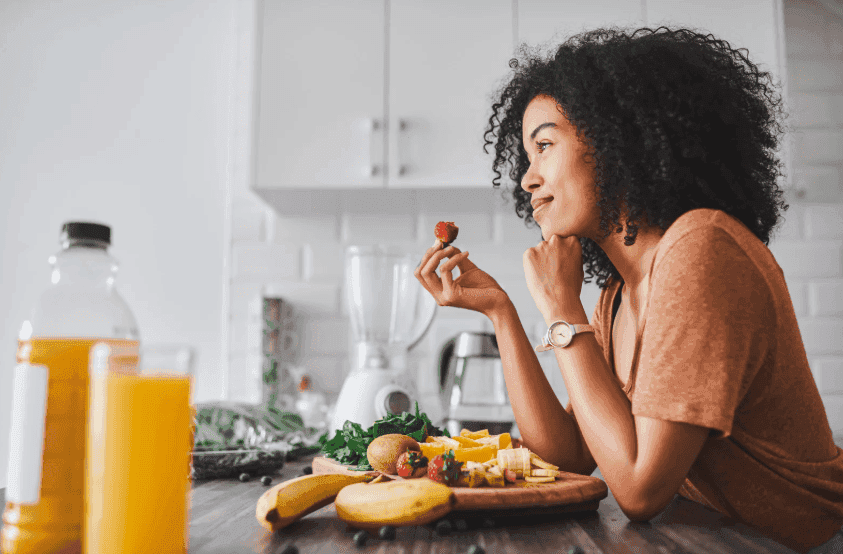
Opdag, hvordan kosten kan hjælpe med at håndtere endometriose, reducere inflammation og støtte fertilitet for at forbedre den reproduktive sundhed.
Endometriose er en kronisk inflammatorisk lidelse, hvor det væv, der ligner livmoderslimhinden (endometriet), vokser uden for livmoderen. Årsagen til endometriose er ukendt, og der findes ingen kur.
Symptomerne omfatter:
- Problemer med fertilitet
- Kroniske bækkensmerter
- Alvorlige menstruationsblødninger og smerter
- Smerter under samleje
Symptomerne behandles med medicin og/eller kirurgi. Ernæring kan have stor betydning for håndteringen af endometriosesymptomer og for at støtte fertiliteten.
Endometriose og fertilitet
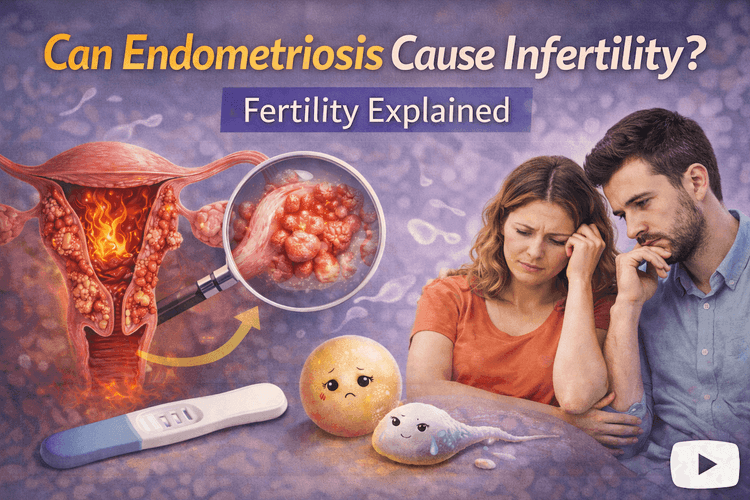
Denne kroniske tilstand rammer skønsmæssigt 1 ud af 10 kvinder i den fødedygtige alder, og kvinder med endometriose står ofte over for fertilitetsudfordringer. Forskning viser, at mellem 30-50% af kvinder med endometriose er infertile1. Da kvinder med endometriose ofte står over for fertilitetsudfordringer, er det afgørende for dem, der forsøger at blive gravide, at tilstanden håndteres effektivt.
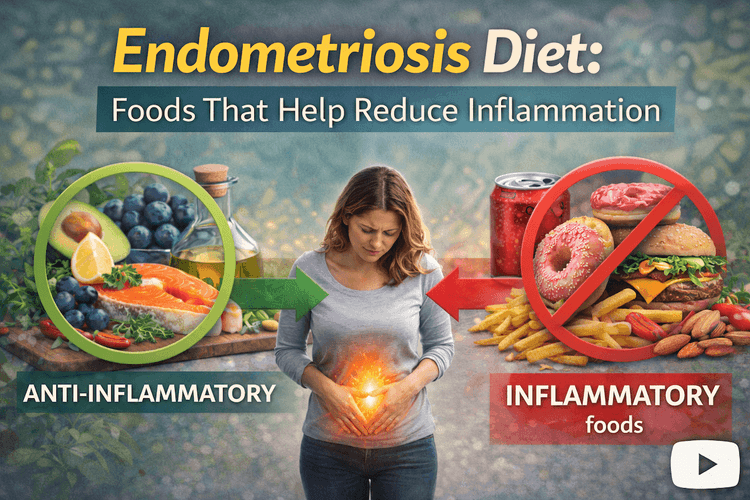
Hvordan kan ernæring hjælpe, og er der en bedste kost til endometriose? Da endometriose påvirker alle forskelligt, findes der ikke en enkelt "bedste endometriose-kost". Men da endometriose er forbundet med kronisk inflammation, søger vi primært mod en anti-inflammatorisk kost som f.eks. middelhavskosten. Forskning viser, at middelhavskosten kan reducere inflammation og endometriesmerter2.
Middelhavskosten er rig på fibre, magre proteiner og sunde fedtstoffer og har et lavere indhold af forarbejdede fødevarer, sukkersødede drikkevarer og raffinerede kornprodukter.
Vigtige næringsstoffer at fokusere på i forbindelse med endometriose og fertilitet
Fuldkorn
Spis brune ris, fuldkornsbrød og -pasta, quinoa, havre og byg for at hjælpe med at opretholde et sundt østrogenniveau. Østrogen stimulerer væksten af væv uden for livmoderen. Dette væv kan infiltrere ret dybt ind i organerne, hvilket gør det vanskeligt at behandle. Tilstræb at fylde ¼ af din tallerken med fuldkorn af høj kvalitet ved hvert måltid.
Frugter og grøntsager
Frugt og grøntsager er rige på antioxidanter og fibre, som kan hjælpe med at bekæmpe oxidativt stress, der findes i bækkenet hos personer med endometriose, og reducere inflammation. Tænk på masser af farver som f.eks. bær, kirsebær og citrusfrugter. Det sikrer en bred vifte af vitaminer og giver en rig kilde til fibre, der understøtter et sundt tarmmikrobiom.
Korsblomstrede grøntsager og bladgrøntsager som grønkål, spinat, rosenkål og broccoli indeholder sulforafan, som kan hjælpe med at styre inflammation og østrogenniveauer. Det anbefales at øge mængden af korsblomstrede grøntsager langsomt, da personer med endometriose ofte kan have irritabel tyktarm (IBS).
Vask dine frugter og grøntsager godt, da eksponering for pesticider og dioxiner er blevet sat i forbindelse med forværring af endometriosesymptomer. Sigt efter at fylde ½ af din tallerken med lækre frugter og grøntsager for at bekæmpe inflammation og smerter.
Dyrebaserede proteiner
Vælg fisk, fjerkræ og æg, og begræns rødt kød til højst 1-2 gange om ugen. Indtag af rødt kød og skinke har vist sig at øge inflammation ved endometriose, og derfor kan en mere middelhavspræget tilgang, som er rigere på fisk og fjerkræ, hjælpe på symptomerne. Mælk, yoghurt og ost er også gode kilder til protein og mejeriprodukter/calcium (se nedenfor for mere om mejeriprodukter).
Plantebaserede proteiner
Opfyld dit daglige proteinbehov med en balance mellem animalske og plantebaserede proteiner som bønner/ærter/linser og andre plantebaserede proteiner som tofu og tempeh. At indtage tilstrækkelige mængder protein af høj kvalitet er afgørende for dannelsen og reparationen af alle kroppens væv, enzymer og blodceller. Tilstræb at fylde ¼ af din tallerken med protein af høj kvalitet ved hvert måltid. Hvis du ikke spiser mælkeprodukter, så sørg for at inkludere berigede plantebaserede alternativer som f.eks. sojamælk/sojayoghurt.
Omega 3-rige fødevarer og sunde fedtstoffer
Omega 3-fedtsyrer indgår i kostfaktorer, der kan mindske risikoen for endometriose3 og er effektive til at reducere inflammation. Indtagelse af fed fisk som laks/makrel/sardiner, nødder og frø som hørfrø/chiafrø/valnødder, nøddesmør, avocado og ekstra jomfruolivenolie (også rig på E-vitamin) er en god måde at øge mængden af omega 3 og sunde fedtstoffer i din kost.
Brug af krydderurter og krydderier til at krydre maden
Tilsætning af urter og krydderier er en god måde at øge mængden af antioxidanter i din kost. Populære urter og krydderier mod smerter i forbindelse med endometriose er rosmarin, gurkemeje, pebermynte, kanel og ingefær.
Understøttelse af tarmens sundhed
Ny forskning tyder på en sammenhæng mellem tarmbakterier og endometriose4. Øget cirkulerende østrogen og bakteriel dysbiose i tarmen og reproduktionskanalen er blevet sat i forbindelse med inflammatoriske signaler ved endometriose. At følge en middelhavskost og øge mængden af fermenterede fødevarer som kimchi, sauerkraut og kefir er alle gavnlige for tarmsundheden. Hvis du overvejer et probiotikum, anbefales det at diskutere mærker med din fertilitetsdiætist, da specifikke stammer har vist sig at være gavnlige for endometriose og fertilitet.
Madvarer, der skal reduceres/begrænses
- Rødt kød - ikke mere end 1-2 gange om ugen
- Moderat alkoholindtag3
- Brug krydderurter og krydderier til at smage maden til i stedet for salt eller færdiglavede saucer. Fødevarer med et højt saltindhold kan skade dine tarmbakterier og fremme inflammation.
- Begræns kilder til mættet fedt som kager, kiks, fedt kød, pølser, bacon, is og chokolade. En reduktion af mættet fedt med 50 % vil reducere østrogen med 20 %5. Overskydende østrogen kan fremme inflammation og forværre endometriose.
- Begræns frugtsaft og sodavand med et højt indhold af tilsat sukker, da det kan fremme inflammation.
- Koffein - begræns dit samlede koffeinindtag til 200 mg om dagen af hensyn til fertiliteten. Det svarer til ca. 2 kopper kaffe eller 3-4 kopper te om dagen.
Specifikke diæters rolle i behandlingen af endometriose
**Bør jeg være glutenfri?
Hvis du har cøliaki, skal du strengt undgå gluten i din kost. Evidensen for at undgå gluten er ikke så stærk for dem, der ikke har cøliaki. Der blev dog gennemført en undersøgelse, hvor kvinder med endometriose blev sat på en glutenfri diæt i 12 måneder, som viste, at 75 % oplevede en betydelig reduktion i smerterne6. Dette studie undersøgte ikke inflammatoriske markører og kan derfor ikke med sikkerhed konkludere, at en glutenfri diæt reducerer inflammationen. Men det ser ud til at reducere smerterne hos nogle kvinder. Der er også en vis debat om, at fodmap-fruktaner kan påvirke nogle kvinder med endometriose. Hvis du afprøver en glutenfri eller fruktanfri diæt mod endometrioseassocierede smerter, anbefales det kraftigt, at du kun gør det under vejledning af en diætist for at forhindre eventuelle næringsstofmangler.
**Skal jeg undgå mælkeprodukter?
Der er stadig en debat om mælkeprodukter og endometriose. Der er ingen gode beviser for, at mejeriprodukter er inflammatoriske eller har en negativ indvirkning på endometriose eller fertilitet. Undersøgelser har faktisk vist, at et regelmæssigt indtag af mejeriprodukter reducerer risikoen for at udvikle endometriose7. Desuden kan indtagelse af mejeriprodukter med højt fedtindhold mindske risikoen for anovulatorisk infertilitet8. Mange endometriosepatienter har også IBS og kan ikke tåle laktose. Selv med laktoseintolerans kan de fleste mennesker tåle en vis mængde yoghurt og hårde oste, da disse har et lavt laktoseindhold, og det er derfor ikke nødvendigt helt at undgå mejeriprodukter i dette tilfælde. Hvis du undgår mælkeprodukter, har du også en øget risiko for knogleskørhed, så hvis du vælger at undgå mælkeprodukter, skal du sørge for at erstatte dem med plantemælk og yoghurt, der er beriget med calcium og vitaminer.
Konklusion
Kost og ernæring spiller en afgørende rolle i håndteringen af endometriose og forbedringen af fertilitetsresultaterne. For bedre at kunne støtte deres helbred og fertilitet kan kvinder med endometriose have gavn af at fokusere på antioxidantrige, fiberrige og antiinflammatoriske fødevarer og samtidig begrænse forarbejdede fødevarer og mættet fedt. Det er vigtigt, at vi ser på kosten som en del af puslespillet. Kostændringer kan supplere medicinske behandlinger. Hvis du kæmper med infertilitet og endometriose, kan en registreret diætist hjælpe dig med at skræddersy en ernæringsplan, der passer til dine individuelle behov.





Få adgang til hundredvis af fertilitetseksperter, videnskabeligt underbygget indhold og et personligt program, der er designet til dine unikke behov.

Gratis fertilitetsguide og værktøjer
Tilmeld dig for at få gratis ekspertværktøjer til fertilitet, letforståelig vejledning, sunde opskrifter, opdateringer og meget mere! Vi ses i din indbakke!