Download the Conceivio App
Download

Respuestas a tus preguntas sobre la prueba casera de esperma
Artículo
10 min
Una prueba de fertilidad masculina ayuda a los hombres a evaluar su salud reproductiva de forma temprana, lo que permite tomar decisiones informadas y posibles mejoras del estilo de vida para potenciar la fertilidad. Dado que los factores masculinos están presentes en el 40% de los casos de infertilidad, las pruebas ofrecen claridad, reducen el estrés y proporcionan una forma cómoda de tomar el control de la planificación de la fertilidad.
¿Cómo funciona un test de esperma casero?
Hacer una prueba casera de esperma es rápido y sencillo. Todo lo que tienes que hacer es:
- Recoger una muestra de semen en el recipiente suministrado. - Utiliza la pipeta para transferir unas gotas al portaobjetos. - Introduce el portaobjetos en el dispositivo ExSeed. - Utiliza tu smartphone para registrar y analizar la muestra.
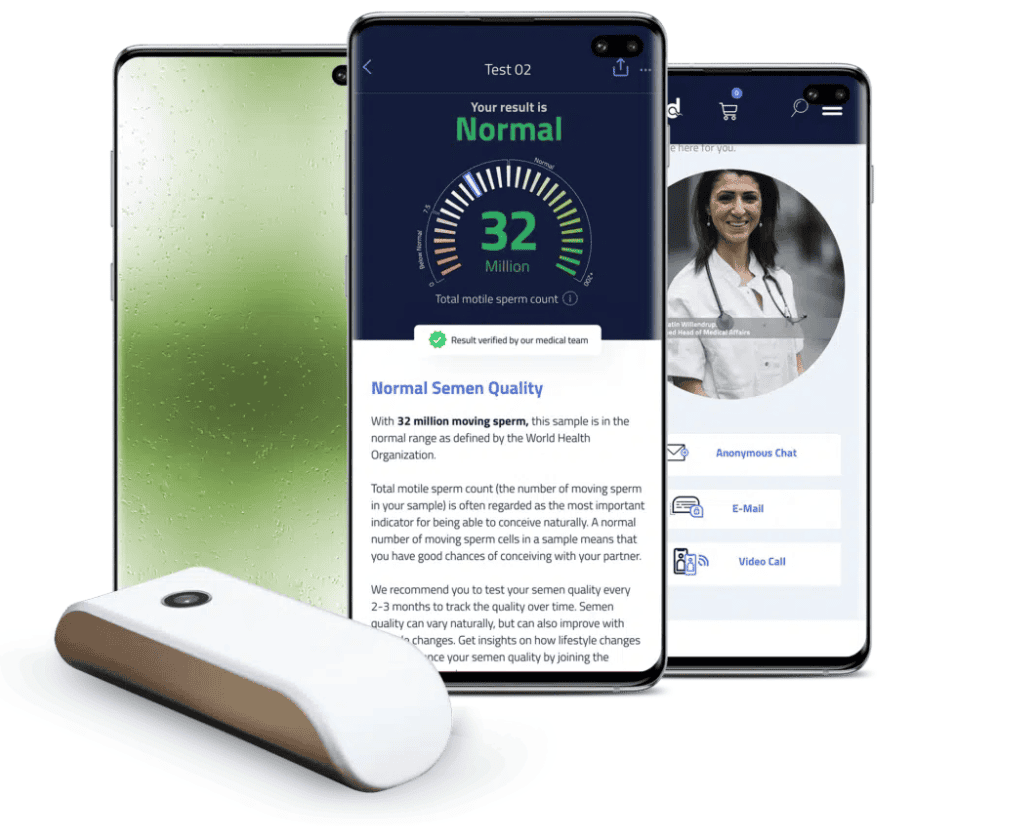
En unos minutos recibirás los resultados, que te proporcionarán información clave sobre la salud de tu esperma. Mira nuestro vídeo para ver una guía paso a paso.
La ciencia detrás de la prueba Aunque el proceso es fácil para ti, hay una sofisticada tecnología trabajando en segundo plano. Tu smartphone funciona esencialmente como un microscopio, similar a los que se utilizan en los laboratorios de fertilidad. Nuestra prueba ha sido validada por destacados expertos en fertilidad y cuenta con la certificación CE como dispositivo médico IVD, ofreciendo una precisión del 95%.
¿Qué mide la prueba?
Nuestro test de esperma casero evalúa parámetros clave de la fertilidad, igual que un test clínico profesional:
- Volumen de semen: cantidad total de semen por eyaculación. - Concentración espermática: número de espermatozoides en el semen. - Motilidad espermática: porcentaje de espermatozoides que se mueven con eficacia. - Recuento total de espermatozoides móviles (TMSC): número de espermatozoides activos y en movimiento, un indicador crucial del potencial de fertilidad.
El TMSC se utiliza ampliamente en las clínicas de fertilidad para evaluar la salud de los espermatozoides y las posibilidades de concepción.
¿Cuándo es el mejor momento para hacer la prueba?
Puedes hacer el test cuando prefieras, pero el momento es importante:
- Evita realizar la prueba demasiado pronto después de la eyaculación, ya que tu cuerpo necesita tiempo para producir más semen. - No esperes demasiado, ya que la calidad del esperma puede disminuir con la abstinencia prolongada. - El momento óptimo es entre 48 y 72 horas después de la última eyaculación.
¿Cómo debo proporcionar mi muestra?
La prueba está diseñada para que resulte cómoda y práctica en casa. Aunque puedes contar con la ayuda de tu pareja, te recomendamos que recojas la muestra mediante masturbación en lugar de después del coito, para garantizar una recogida completa. Evita los lubricantes, ya que pueden afectar a los resultados.
¿Cuándo debo analizar mi muestra?
Para obtener resultados precisos:
- Analiza la muestra entre 15 y 60 minutos después de la recogida. - Si se deja más de 60 minutos, la viabilidad del esperma disminuye, lo que da lugar a resultados poco fiables. Si esto ocurre, desecha la muestra y vuelve a intentarlo en unos días.
¿Cuántas pruebas debo realizar inicialmente?
Recomendamos realizar dos pruebas, con una semana de diferencia, para una evaluación más precisa de la salud del esperma. La calidad del esperma fluctúa a diario debido a factores como el estrés, la dieta y las enfermedades. Una prueba de seguimiento un mes después se ajusta a las recomendaciones de la Organización Mundial de la Salud (OMS).
¿Con qué frecuencia debo analizar la calidad de mi esperma?
El esperma se regenera cada 72-90 días, por lo que no es necesario realizar pruebas frecuentes. Hacerte la prueba una vez al mes te dará una idea clara de las mejoras que logres con los cambios en tu estilo de vida. Si los resultados no cambian después de tres meses, consulta con un médico.
¿Qué ocurre después de obtener los resultados?
Conocer la salud de tu esperma es el primer paso. Esto es lo que ocurre a continuación:
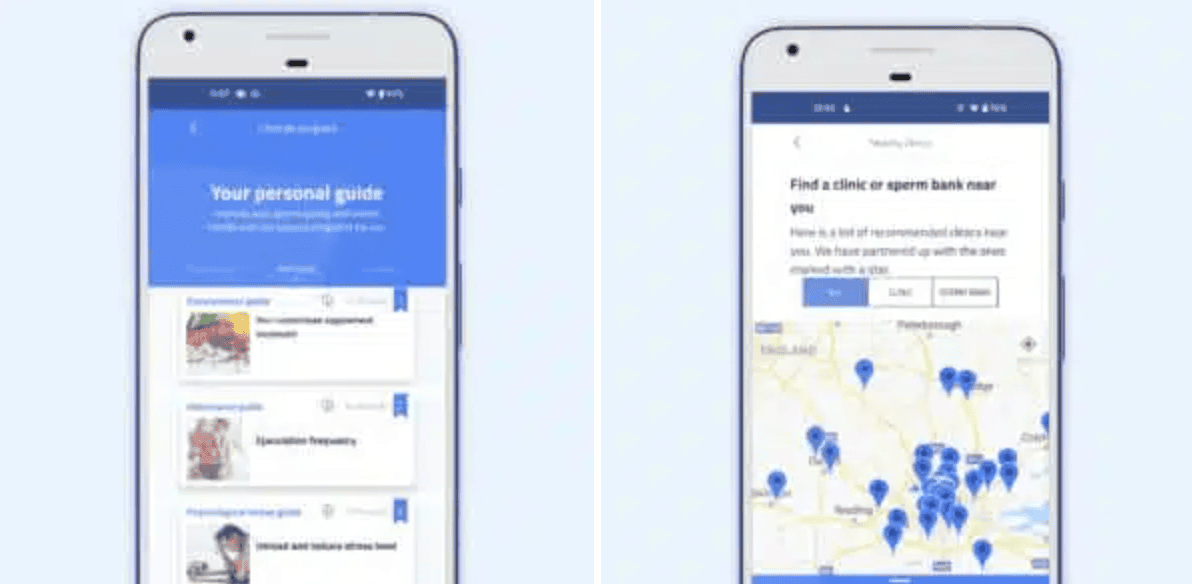
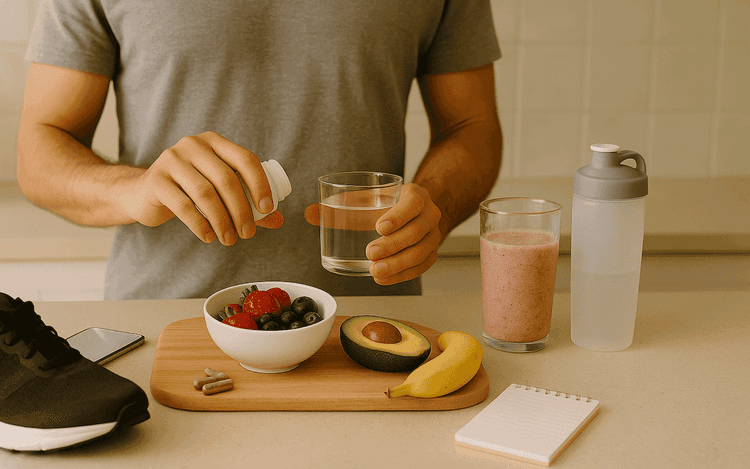
- Recomendaciones personalizadas sobre el estilo de vida: Basándonos en los resultados de tus pruebas y en el cuestionario sobre tu estilo de vida, te sugerimos cambios como dejar de fumar, mejorar la dieta o aumentar la actividad física.** - Apoyo experto: Consulta a nuestros especialistas en fertilidad por chat o videollamada para obtener asesoramiento personalizado.** - Clínicas asociadas: Si es necesario, podemos ponerte en contacto con expertos en fertilidad o clínicas para una evaluación más exhaustiva.**
Si tus resultados indican una salud espermática excelente, puedes plantearte ser donante de semen. Nuestra aplicación incluye un mapa de los bancos de esperma asociados más cercanos.
¿Puedo compartir mis resultados con mi médico?
Sí, puedes descargar un informe en PDF de tus resultados para imprimirlo o enviarlo por correo electrónico a tu médico. Si ya estás en una de nuestras clínicas de fertilidad asociadas, puedes sincronizar tus resultados directamente a través de la aplicación para facilitar el seguimiento médico.
¿Listo para tomar el control de tu fertilidad?
Pide hoy mismo tu prueba de esperma casera y obtén información valiosa sobre tu salud reproductiva. ¿Tienes preguntas? Ponte en contacto con nuestro equipo: ¡estamos aquí para ayudarte!




















Obtén acceso a cientos de expertos en fertilidad, contenidos respaldados por la ciencia y un programa personalizado diseñado para tus necesidades únicas.

Guía y herramientas gratuitas sobre fertilidad
Suscríbete para recibir herramientas de fertilidad gratis creadas por expertos, guías fáciles de seguir, recetas saludables, novedades y mucho más. ¡Nos vemos en tu bandeja de entrada!