Fertilitetsproblemer bliver ofte fremstillet som noget, der kun vedrører kvinder. Lægeundersøgelser, hormondiskussioner og behandlingsplaner drejer sig typisk om hendes krop, mens mænd står i baggrunden og venter på resultater.
Men forskningen fortæller en anden historie. I næsten halvdelen af alle tilfælde af infertilitet bidrager mandlige faktorer enten helt eller delvist. Problemet er ikke manglende viden – det er stigmatiseringen.
Mange mænd sætter lighedstegn mellem fertilitet og maskulinitet og tror, at deres evne til at få børn definerer deres værd. Denne misforståelse fører til tavshed, skam og forsinket diagnose.
Det er på tide at ændre den fortælling. At forstå myter om mandlig fertilitet hjælper mænd til at se, at infertilitet er en helbredstilstand, ikke en afspejling af identitet.
Kort sagt: Mandlig infertilitet er et medicinsk problem, ikke et mål for maskulinitet. Faktorer som genetik, hormoner og livsstil kan påvirke sædkvaliteten, men ingen af dem bestemmer mandigheden. Tidlig testning, livsstilsændringer og åben kommunikation forbedrer både fertilitet og mental sundhed.
Når fertilitet og identitet støder sammen
Da Jonas, en 36-årig ingeniør, fandt ud af, at hans sædkvalitet var lav, føltes nyheden personlig.
"Det handlede ikke bare om ikke at få børn," siger han. "Det føltes, som om jeg havde fejlet i noget, jeg naturligt burde være i stand til."
Jonas' reaktion er en, som mange mænd deler. Fertilitetsudfordringer rammer hjertet af identiteten, selv om sædkvalitet er en biologisk faktor, ikke et mål for styrke eller virilitet.
At adressere denne misforståelse hjælper mænd med at se infertilitet som noget, de kan arbejde med, ikke noget, de skal skjule. For dem, der er usikre på, hvor de skal starte, kan det afmystificere processen og give klarhed i stedet for frygt at lære, hvad man kan forvente ved en test af mandlig fertilitet.
Myte 1: "Infertilitet er et kvindeproblem"
I årtier har fertilitetsmedicin næsten udelukkende fokuseret på kvinder. Klinikkerne var designet til at teste kvinder, og diskussionerne drejede sig om æg, hormoner og ægløsning.
Men forskning viser, at 40-50% af infertilitetstilfældene involverer mandlige faktorer, såsom lavt sædtal, dårlig bevægelighed eller DNA-skader.
At ignorere denne halvdel af ligningen forsinker diagnosen og øger den følelsesmæssige belastning på begge parter. Moderne fertilitetsbehandling anerkender undfangelse som et fælles ansvar.
Par, der tester begge parter tidligt, sparer ofte tid, penge og stress – og får en klarere vej fremad. Hvis du er usikker på, hvordan du skal forberede dig, kan du læse om sædanalyse og hvad den afslører for at forstå, hvad testning af mænd indebærer.
## Myte 2: Mandlig fertilitet er det samme som virilitet
Dette er en af de mest sejlivede myter. Mange mænd antager, at en stærk libido eller seksuel ydeevne automatisk betyder sunde sædceller.
Men fertilitet og seksuel funktion er to forskellige biologiske systemer. En mand kan have normale erektioner, høj libido og stadig have lav sædkvalitet eller dårlig sædbevægelighed.
Som Dr. Elise Holm, reproduktiv endokrinolog, forklarer:
"Sædkvalitet handler om biologi, ikke om identitet. Det er ikke en afspejling af mandighed – det er en medicinsk faktor, som vi ofte kan forbedre."
Fertiliteten påvirkes af livsstil og miljø. Kost, fysisk aktivitet, stress og endda søvn spiller en afgørende rolle. Mænd, der fokuserer på at forbedre disse områder, ser ofte betydelige forbedringer af sædkvaliteten inden for få måneder.
For at lære om effektive, forskningsstøttede ændringer, se hvordan man forbedrer sædkvaliteten med praktiske trin.
**## Myte 3: Dårlig sædkvalitet betyder, at du har gjort noget forkert
Skyld og skyldfølelse er almindelige følelsesmæssige reaktioner efter en fertilitetsdiagnose. Mænd spekulerer ofte på, om de har "forårsaget" deres infertilitet ved at arbejde for meget, spise dårligt eller vente for længe med at stifte familie.
Sandheden er, at sædkvaliteten påvirkes af mange faktorer – og ikke alle er inden for din kontrol. Genetik, hormonelle svingninger, infektioner og endda miljøpåvirkninger kan bidrage.
Selvbebrejdelser øger kun stressniveauet, hvilket kan forstyrre hormonbalancen yderligere. I stedet anbefaler fertilitetseksperter at fokusere på det, der kan ændres: ernæring, motion, væskeindtag og stressreduktion.
Artiklen om sædkvalitet vs. sædmængde hjælper med at forklare, hvordan disse faktorer spiller sammen, og hvorfor individuelle variationer er normale.
## Myte 4: Mænd bliver ikke følelsesmæssigt påvirkede af infertilitet
Følelsesmæssig smerte hos mænd er ofte usynlig. Undersøgelser offentliggjort i Reproductive Health Journal beskriver mandlig infertilitet som 'tavs sorg'. Mænd undgår måske at tale om det, skjuler frustrationen bag humor eller begraver følelserne i arbejde.
Men tavshed beskytter ikke – den isolerer.
Mænd, der undertrykker følelser, er mere tilbøjelige til at opleve angst, irritabilitet eller anstrengte forhold. I modsætning hertil rapporterer de, der åbner sig over for deres partnere eller rådgivere, ofte om forbedret følelsesmæssigt velbefindende og større tilfredshed i forholdet.
Det er her, kommunikation bliver helbredende. At tale om fertilitetsudfordringer gør ikke en mand svag; det viser modenhed og empati.
Conceivio opmuntrer til denne åbenhed gennem guidede samtaler, coaching og fællesskabsprogrammer, der normaliserer mænds følelsesmæssige oplevelser i forbindelse med fertilitetsbehandling.
## Myte 5: Der er ikke noget, mænd kan gøre
Denne myte afholder mange mænd fra at søge hjælp. Selvom nogle fertilitetsproblemer er genetiske, kan de fleste påvirkes.
Medicinsk udredning kan afdække behandlingsbare tilstande som varicocele, infektioner eller hormonel ubalance. Og for mænd med svær infertilitet kan assisteret reproduktionsteknologi som ICSI og micro-TESE stadig gøre forældreskab muligt.
Livsstilsforbedringer betyder også noget. Motion, næringsrig kost, søvn og stresshåndtering understøtter alle hormonbalancen og sædcellernes funktion.
For mænd, der spekulerer på, hvor de skal begynde, viser guiden om hvordan mænd kan spille en central rolle i fertilitetsrejsen, hvordan proaktive skridt forbedrer både selvtillid og resultater.
Videnskabelig indsigt: Hvordan fertilitet afspejler den generelle sundhed
Mandlig infertilitet er mere end et reproduktionsproblem – det er et spejl af det generelle helbred.
Store undersøgelser viser, at mænd med dårlig sædkvalitet har større risiko for hjerte-kar-sygdomme, diabetes og lavere forventet levealder. Det skyldes, at sædkvalitet og metabolisk sundhed er tæt forbundet gennem hormoner og oxidativt stress.
Kort sagt signalerer sunde sædceller ofte en sund krop.
Forbedring af sædparametrene kan også forbedre humør, energi og forventet levetid. Forbindelsen mellem testosteron, stress og mandlig fertilitet forklarer, hvorfor det giver bedre resultater at håndtere mental og fysisk sundhed sammen.
At omdefinere maskulinitet
Ægte maskulinitet måles ikke på fertilitetsresultater – men på mod, modstandskraft og empati.
Moderne mandighed omfatter følelsesmæssig bevidsthed og styrken til at bede om hjælp, når det er nødvendigt. Når mænd omdefinerer maskulinitet omkring åbenhed og ansvar, skaber de sundere forhold og et stærkere familiefundament.
At bryde gamle stereotyper gavner også kommende generationer. Når fædre viser sårbarhed og balance, vokser deres sønner op og ser styrke i kommunikation, ikke i tavshed.
At forstå fertilitet som en del af sundheden – ikke identiteten – giver mænd tilladelse til at tage sig af sig selv og deres partnere uden skam.
Par og fertilitetsrejsen
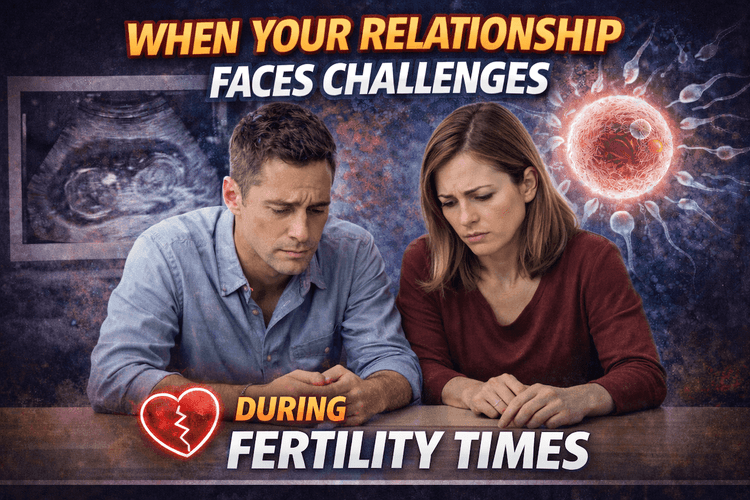
Fertilitetsudfordringer er sjældent en solooplevelse. Par står over for usikkerhed, ventetid og følelsesmæssige op- og nedture sammen. Hvordan de griber rejsen an, afgør ofte, hvor modstandsdygtige de bliver.
Når mænd deltager aktivt – går med til konsultationer, stiller spørgsmål og følger fremskridtene – føler kvinder sig støttet og forstået. Det reducerer spændinger og styrker tilliden.
Åben kommunikation om resultater, frygt eller endda frustration hjælper med at bevare intimiteten gennem processen. Fertilitet handler ikke om skyld – det handler om partnerskab.
For par, der starter denne rejse, forklarer ressourcen om hvordan man bliver forælder med fertilitetsbehandling, hvad man kan forvente, og hvordan begge parter kan forberede sig mentalt og fysisk.
Hvordan Conceivio støtter mænd på denne rejse
Hos Conceivio anerkender vi, at fertilitetsbehandling for mænd skal tage hensyn til både krop og sind. Derfor er vores værktøjer designet til at uddanne, styrke og støtte i alle faser.
1. Pålidelige ressourcer
Conceivio Resources Hub https://www.conceivio.com/en/resources giver klar, evidensbaseret information om sædkvalitet, livsstilsændringer og følelsesmæssig modstandsdygtighed.
2. Værktøjer til stress og mindfulness
Vores Stressmodul hjælper mænd med at håndtere angst og bevare fokus under behandlingen. Det er baseret på adfærdsforskning og tilbyder mindfulness-øvelser, der forbedrer fokus og reducerer de hormonelle effekter af stress.
3. Personlig fertilitetscoaching
Conceivios fertilitetscoaches tilbyder privat en-til-en-vejledning. De hjælper med at fortolke resultater, planlægge næste skridt og bevare motivationen under hele fertilitetsrejsen.
4. En afbalanceret tilgang
Vi kombinerer medicinsk indsigt med følelsesmæssig støtte og hjælper mænd og par med at håndtere infertilitet med klarhed og medfølelse. For fertilitetsbehandling handler ikke kun om resultater – det handler også om trivsel undervejs.
Konklusion
Mandlig infertilitet er ikke en afspejling af maskulinitet – det er en medicinsk tilstand, som moderne videnskab forstår bedre end nogensinde før.
Ved at udfordre gamle myter åbner mænd døren til nye muligheder. Fertilitetsudfordringer bliver til muligheder for vækst, forståelse og stærkere relationer.
Når mænd erstatter tavshed med åbenhed, skyld med læring og skam med egenomsorg, udviser de ægte styrke – ikke defineret af biologi, men af ærlighed og mod.
Hos Conceivio er vi her for at guide denne transformation med evidensbaserede værktøjer, ekspertindsigt og urokkelig støtte til hvert skridt på rejsen.
For fertilitet handler ikke kun om at skabe liv – det handler om at leve det fuldt ud sammen.