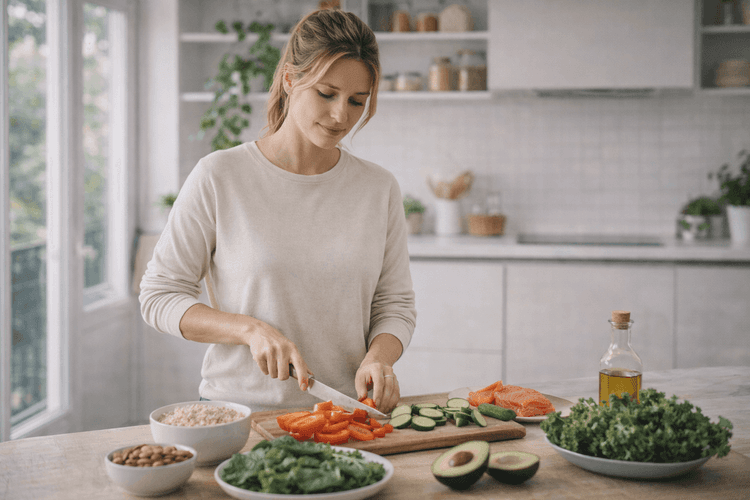
Da Freja fyldte 34 år, følte hun sig ikke gammel. Hun følte sig travl. Hendes liv var fuld af ting, hun havde arbejdet hårdt for: meningsfulde deadlines, venskaber, der føltes lette, lange løbeture, sene middage og en følelse af, at der ikke manglede noget. Det, der foruroligede hende, var ikke et manglende ønske om børn, men det voksende pres for at beslutte sig nu, som om selve timingen var en prøve, hun stille og roligt dumpede.
Social nedfrysning af æg kommer på tale for mange kvinder på netop dette tidspunkt. Ikke som en dramatisk reaktion på en krise, men som et svar på en meget moderne spænding mellem biologi og livstempo. Fertiliteten falder med alderen, men den virkelighed passer ikke altid sammen med parforhold, karriere, økonomi eller følelsesmæssig parathed. For nogle kvinder føles nedfrysning af æg mindre som at udskyde moderskabet og mere som at skabe et pusterum.
Hurtigt svar: Social nedfrysning af æg, også kendt som elektiv nedfrysning af æg, er en fertilitetsbevarende mulighed, der giver kvinder mulighed for at nedfryse æg i deres nuværende alder til potentiel brug senere. Den bedste alder for nedfrysning af æg er generelt fra midten af 20'erne til midten af 30'erne, hvor ægkvaliteten er højere, men det kan stadig være en fordel senere afhængigt af individuelle omstændigheder. Det giver flere muligheder i fremtiden, men er ikke en garanti for graviditet.
Hvad social nedfrysning af æg er, og hvorfor kvinder vælger det
Social nedfrysning af æg refererer til nedfrysning af ubefrugtede æg af ikke-medicinske årsager. Ordet "social" er ufuldstændigt, men det signalerer, at motivationen er forankret i livssammenhæng snarere end sygdom. Det kan handle om, at man endnu ikke har den rigtige partner, at man ønsker stabilitet før forældreskabet, eller at man simpelthen ikke føler sig klar til at træffe en permanent beslutning.
Nedfrysning af æg blev først udviklet til kvinder, der stod over for kræftbehandling eller andre medicinske tilstande, der truede fertiliteten. Efterhånden som teknikkerne blev forbedret, især med vitrifikation, blev det en god mulighed for kvinder, der ønskede at bevare fertiliteten proaktivt. I dag diskuteres nedfrysning af sociale æg sammen med andre muligheder for fertilitetsplanlægning, ligesom man skal forstå hele IVF-processen forklaret, før man træffer beslutninger, der måske eller måske ikke bliver brugt.
For Freja var det ikke visheden, der tiltrak hende. Det var plads.
Hvorfor alder betyder noget for nedfrysning af æg
Æg adskiller sig fra sæd på én afgørende måde. Kvinder fødes med et begrænset antal æg, og både mængden og kvaliteten falder med tiden. Mens fertilitetsnedgangen sker gradvist i 20'erne og begyndelsen af 30'erne, bliver den mere udtalt efter 35 og accelererer yderligere i slutningen af 30'erne og begyndelsen af 40'erne.
Det er derfor, alder betyder så meget for social nedfrysning af æg. Nedfrysning af æg stopper ikke det biologiske ur, men det gør det muligt at bevare æggene i den alder, de blev udtaget. Frosne æg ældes ikke, selv om kroppen gør.
Klinikker diskuterer ofte alder i form af sandsynligheder snarere end garantier, på samme måde som succesrater er indrammet, når man taler om uforklarlig infertilitet eller behandlingsresultater mere bredt. Jo yngre æggene er på nedfrysningstidspunktet, jo større er sandsynligheden for, at de senere vil resultere i en levedygtig graviditet.
Så hvad er den bedste alder for nedfrysning af æg?
For de fleste kvinder er den bedste alder for nedfrysning af æg mellem 25 og 35 år.
På dette tidspunkt er ægkvaliteten stadig relativt høj, og ovariereserven er ofte tilstrækkelig til at hente et meningsfuldt antal æg ud i en eller to cyklusser. Nedfrysning tidligere end 30 år kan i nogle tilfælde give mening, men mange kvinder i den alder har stadig tid og føler måske endnu ikke behov for det.
Nedfrysning efter 35 kan stadig være en fordel, især hvis æggestokkene har en god reserve, men det kræver ofte flere cyklusser at opnå det samme antal nedfrosne æg, og succesraten senere kan være lavere. Dette afspejler, hvad klinikere ser, når de diskuterer, hvordan alderen påvirker fertiliteten mere generelt, hvor resultaterne skifter gradvist i stedet for at falde fra den ene dag til den anden.
Den vigtigste pointe er, at "bedst" er statistisk, ikke moralsk. Den rigtige alder afhænger af personlige omstændigheder, helbred og mål.
Frejas første aftale
Da Freja endelig bestilte en konsultation, forventede hun, at det ville føles tungt. Som at indrømme, at noget var gået galt.
I stedet føltes det praktisk.
Aftalen fokuserede på information. Hendes menstruationscyklus, sygehistorie, familiebaggrund. Blodprøver og en ultralydsscanning for at vurdere æggestoksreserven. Ikke forudsigelser om moderskab, bare data om, hvordan hendes æggestokke kunne reagere på stimulering.
Lægen var klar og forsigtig. Nedfrysning af æg virker bedst tidligere. Flere æg forbedrer generelt de fremtidige chancer. Det er en mulighed, ikke en forsikringspolice.
Freja gik derfra med en mappe og en mærkelig følelse af lettelse. Valg har vægt, men det giver også klarhed.
Sådan ser processen med nedfrysning af æg ud
At forstå processen var det, der gjorde frygten håndterbar.
Ovariestimulering
I 10 til 12 dage fik Freja daglige hormonindsprøjtninger for at stimulere flere follikler til at modnes på én gang. I stedet for at forberede et æg, forberedte hendes æggestokke flere.
Den første indsprøjtning føltes symbolsk. Derefter blev det rutine. Mild oppustethed, træthed og følelsesmæssig følsomhed var der, men det var til at håndtere.
Overvågning
Med få dages mellemrum vendte hun tilbage til klinikken for at få taget blodprøver og ultralydsscanninger. Follikelvæksten blev fulgt, og medicinen blev justeret. Processen føltes guidet snarere end forhastet.
Udtagning af æg
Udtagningsdagen var kort. Hun var bedøvet, indgrebet tog under en halv time, og restitutionen bestod i hvile og milde kramper. Næste dag var livet stort set genoptaget.
Frysning af æggene
Hendes æg blev nedfrosset ved hjælp af vitrifikation, en hurtig nedfrysningsteknik, der forhindrer dannelse af iskrystaller. Denne metode ligger til grund for moderne nedfrysning af æg og er grunden til, at resultaterne i dag adskiller sig fra tidlige eksperimenter for årtier siden.
Efter to cyklusser havde Freja nedfrosset 19 modne æg. Hun følte sig ikke triumferende. Hun følte sig mere stabil.
Hvad social nedfrysning af æg kan og ikke kan gøre
Social nedfrysning af æg bliver ofte misforstået og svinger mellem at love for meget og at afvise.
Det kan øge de fremtidige muligheder, reducere tidspresset og give kvinder mulighed for at forsøge at blive gravide senere med yngre æg. Mange kvinder beskriver et psykologisk skift, hvor beslutninger føles mindre presserende og mere velovervejede.
Det kan ikke garantere graviditet, eliminere aldersrelaterede graviditetsrisici eller erstatte behovet for medicinsk vurdering på et senere tidspunkt. Denne skelnen svarer til, hvordan fertilitetsbehandlinger indrammes over hele linjen, herunder samtaler om IVF-fertiliseringssvigt, og hvorfor selv gode embryoner ikke altid fører til graviditet.
Nedfrysning af æg udvider mulighederne. Det fjerner ikke usikkerheden.
Den større sammenhæng omkring social nedfrysning af æg
Social nedfrysning af æg afspejler en bredere social virkelighed. Længere uddannelse. Senere økonomisk stabilitet. Mere komplekse forhold. Et ønske om at være følelsesmæssigt klar, før man bliver forælder.
I lande som Danmark er det lovligt at opbevare æg, indtil man er 46 år, hvilket stemmer overens med aldersgrænserne for behandling. Den juridiske ramme er afgørende for, om nedfrysning føles som en meningsfuld mulighed eller en kortsigtet forsinkelse.
For nogle kvinder føles social nedfrysning af æg styrkende. For andre fremhæver det huller i den sociale støtte til tidligere forældreskab. Begge perspektiver kan eksistere side om side. Et værktøj kan være nyttigt, selv om systemet omkring det er ufuldkomment.
Det følelsesmæssige efterspil, som ingen advarer dig om
Freja forventede, at den medicinske del ville være den sværeste. Det var det ikke.
Det, der overraskede hende, var den følelsesmæssige kompleksitet bagefter. Lettelse, ja. Men også sorg over den version af livet, der ikke havde brug for hjælp. Stolthed over at passe på sit fremtidige jeg. En ny ømhed over for sin krop.
Mest af alt: ro.
Ikke sikkerhed. Bare fraværet af hastværk.
Seks måneder senere
Seks måneder efter nedfrysningen af sine æg så Frejas liv stort set ud som før. Arbejde, venner, løbesko ved døren. Et forhold, der udfolder sig i sit eget tempo.
Men indeni havde noget ændret sig. Hun følte sig ikke længere bagud.
Da nogen spurgte, om hun ville have børn, svarede hun ærligt. "Sikkert. Bare ikke lige nu."
Ingen undskyldning. Ingen defensivitet.
Bare plads.
Ofte stillede spørgsmål om social nedfrysning af æg
Er social nedfrysning af æg det samme som valgfri nedfrysning af æg?
Ja, social ægfrysning og elektiv ægfrysning refererer til den samme procedure. Begreberne bruges i flæng til at beskrive nedfrysning af æg, der er valgt af livsårsager snarere end af medicinsk nødvendighed.
Garanterer social nedfrysning af æg en baby?
Nej. Social nedfrysning af æg garanterer ikke graviditet eller en levende fødsel. Ikke alle nedfrosne æg overlever optøning, befrugtning eller implantation. Det øger de fremtidige muligheder, men fjerner ikke usikkerheden.
Hvor længe kan man opbevare frosne æg?
Frosne æg kan opbevares i mange år uden at kvaliteten forringes. De lovlige opbevaringsgrænser varierer fra land til land, men biologisk set ældes æg, der er nedfrosset ved hjælp af vitrifikation, ikke under opbevaring.
Er nedfrysning af æg det værd, når man er 35 år eller ældre?
Nedfrysning af æg som 35-årig eller ældre kan stadig betale sig, især hvis æggestokkene har en god reserve, men det kræver ofte flere æg og nogle gange flere cyklusser for at opnå de samme chancer sammenlignet med nedfrysning tidligere.
Hvor mange æg skal man fryse ned for at få en god chance senere?
Mange klinikker foreslår, at man sigter efter omkring 15 til 20 modne nedfrosne æg for at skabe en rimelig chance for en fremtidig graviditet, selvom dette varierer efter alder, ægkvalitet og individuelle fertilitetsfaktorer.
Hvad er risikoen eller bivirkningerne ved nedfrysning af æg?
De fleste bivirkninger kommer fra stimulering af æggestokkene og omfatter oppustethed, træthed og midlertidigt ubehag. Alvorlige komplikationer er ualmindelige, og selve ægudtagningsproceduren er generelt kort og forbundet med lav risiko.
Kan nedfrysning af æg forsinke overgangsalderen?
Nej. Nedfrysning af æg påvirker ikke, hvornår overgangsalderen indtræffer. Det bevarer æggene til fremtidig brug, men ændrer ikke den naturlige aldring af æggestokkene eller den hormonelle tidslinje.
Hvem bør overveje social nedfrysning af æg?
Social nedfrysning af æg kan overvejes af kvinder, der gerne vil have børn i fremtiden, men som ikke er klar nu, især hvis aldersrelateret fertilitetsnedgang giver anledning til bekymring. Det er et personligt valg, der afhænger af helbred, timing og individuelle prioriteter.
Hvor vellykket er social nedfrysning af æg?
Succesen med social nedfrysning af æg afhænger hovedsageligt af den alder, hvor æggene nedfryses, og antallet af æg, der opbevares. Yngre æg fører generelt til højere succesrater, men resultaterne varierer og kan ikke garanteres.
Kan man blive naturligt gravid efter nedfrysning af æg?
Ja, det kan man. Nedfrysning af æg forhindrer ikke naturlig graviditet senere. Mange kvinder nedfryser æg som backup og bliver gravide på naturlig vis uden nogensinde at bruge deres nedfrosne æg.
Hvis du overvejer social nedfrysning af æg
Et par jordnære sandheder hjælper med at indramme beslutningen:
- Tidligere nedfrysning giver generelt bedre odds, men senere nedfrysning kan stadig være umagen værd.
- Antallet af æg betyder noget, og det er almindeligt med mere end én cyklus.
- Blandede følelser er normale.
- Vælg en klinik, der prioriterer ærlighed frem for beroligelse.
- Husk, hvad dette er. Et værktøj. Ikke en garanti. Ikke en deadline.
Social nedfrysning af æg betyder ikke, at man skal vælge arbejde frem for familie. Det betyder at vælge tid på dine egne betingelser.
Hos Conceivio bliver fertilitetsplanlægning grebet an med videnskab, realisme og medfølelse. Uanset om du overvejer social nedfrysning af æg, fertilitetsbehandling eller blot forsøger at forstå dine muligheder, giver Conceivio evidensbaseret vejledning til at understøtte informerede beslutninger i alle faser.