












IVF Fertilization Failure: The Hidden Sperm Factors Behind It

Dr. Mona Bungum
Article
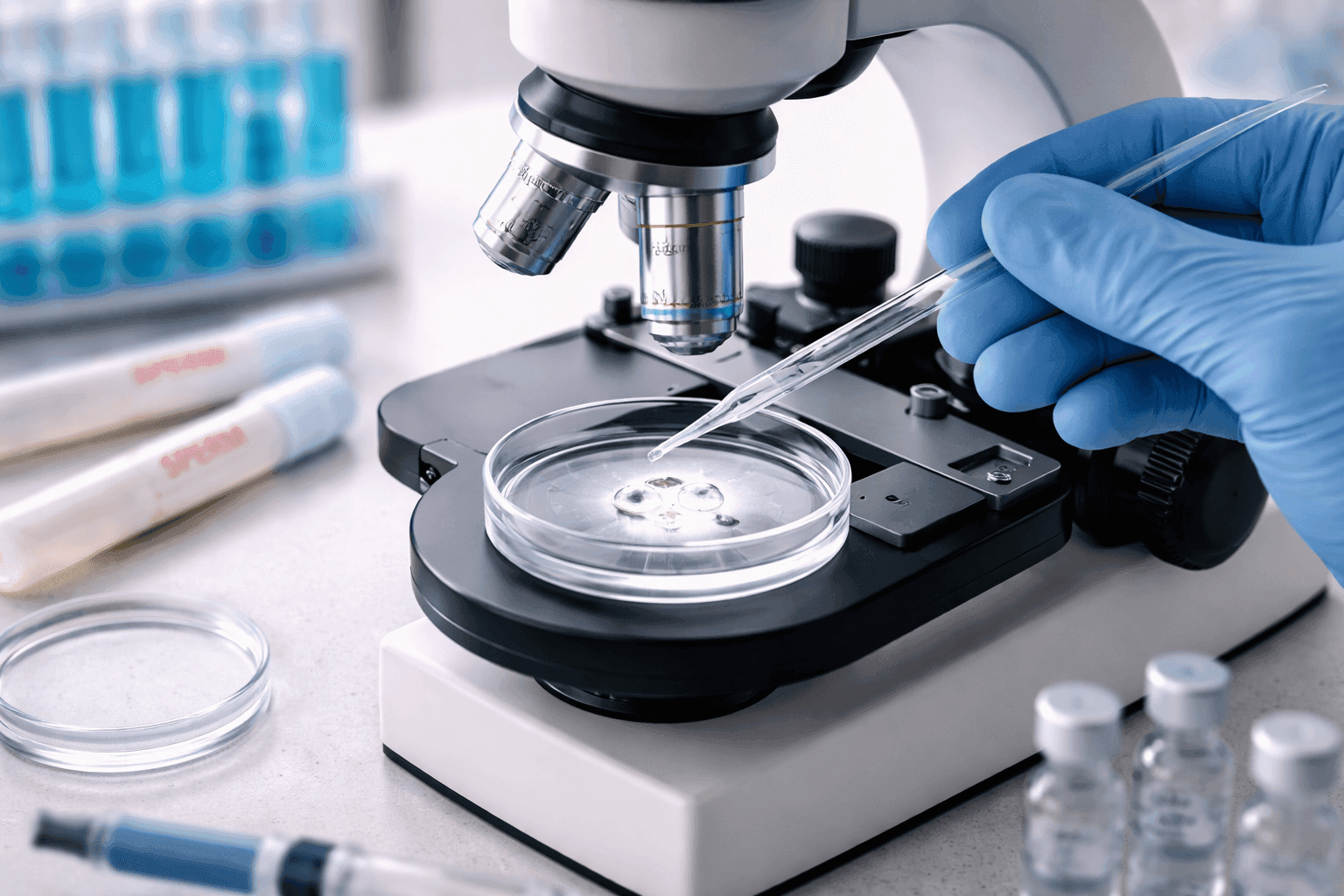
How hidden sperm factors can affect IVF fertilization.
IVF Fertilization Failure: The Hidden Sperm Factors Behind It
When couples go through IVF, most attention is often placed on egg quality. But when fertilization fails, the cause is not always the egg. In many cases, hidden sperm-related factors play a key role—even when standard tests appear normal. Quick answer: Poor fertilization in IVF can occur due to sperm DNA fragmentation, oxidative stress, or molecular defects that affect how sperm interacts with the egg. These issues are often treatable with medical evaluation, lifestyle changes, and techniques such as ICSI.
Why Fertilization Can Fail Despite Normal Results
A standard semen analysis measures sperm count, movement, and shape. While important, these are only surface-level indicators. Sperm can appear normal under the microscope but still carry hidden defects that prevent successful fertilization or embryo development. This is why deeper testing is sometimes needed.
Key Hidden Sperm Factors
1. Sperm DNA Fragmentation
Sperm may carry damaged DNA, even if they look healthy. High DNA fragmentation is linked to lower fertilization rates and higher miscarriage risk.
Common causes include:
- Oxidative stress
- Smoking
- Poor diet
- Heat and environmental exposure
Treatment may involve lifestyle changes, antioxidants, or using ICSI to select a single healthy sperm.
2. Oxidative Stress
Oxidative stress occurs when harmful molecules damage sperm cells.
This can:
- Reduce motility
- Damage sperm membranes
- Affect genetic material
Improving diet, reducing alcohol and smoking, and managing stress can help restore balance.
3. Molecular and Epigenetic Changes
Sperm carry more than DNA—they also carry signals that influence early embryo development. Factors like age, obesity, stress, and toxins can disrupt these signals, affecting fertilization and embryo quality.
4. Sperm–Egg Interaction Problems
For fertilization to happen, sperm must bind to and penetrate the egg. Some sperm lack the necessary enzymes or structure to do this, leading to fertilization failure even when semen analysis is normal. ICSI can bypass this issue by directly injecting a sperm into the egg.
5. When ICSI Is Not Enough
In some cases, fertilization still fails after ICSI.
This may be due to:
- Severe DNA damage
- Structural defects in sperm
- Energy or mitochondrial issues
Advanced testing or alternative approaches, such as using testicular sperm, may improve outcomes.
Lifestyle Factors That Matter
Daily habits strongly influence sperm quality and IVF success:
- Balanced nutrition rich in antioxidants
- Regular moderate exercise
- Good sleep and stress management
- Avoiding smoking and excessive alcohol
- Reducing exposure to heat and environmental toxins
Because sperm develop over 2–3 months, early changes can significantly impact results.
Understanding Fertilization Failure
Fertilization failure can be discouraging, but it is often not the end of the journey. Identifying hidden sperm factors allows for more targeted treatment and improved outcomes in future cycles. Many couples achieve success after adjusting their approach.
The Bigger Picture
Fertility is a shared responsibility. Evaluating both partners leads to better outcomes and more effective treatment plans. When men understand and support their fertility health, it not only improves the chances of conception but also contributes to long-term health outcomes for future children.
Conclusion
When IVF fertilization fails, the cause is often hidden beneath standard testing. Sperm DNA integrity, oxidative stress, and molecular factors all play a critical role. By identifying and addressing these issues, couples can turn setbacks into progress—and move forward with greater clarity and confidence.