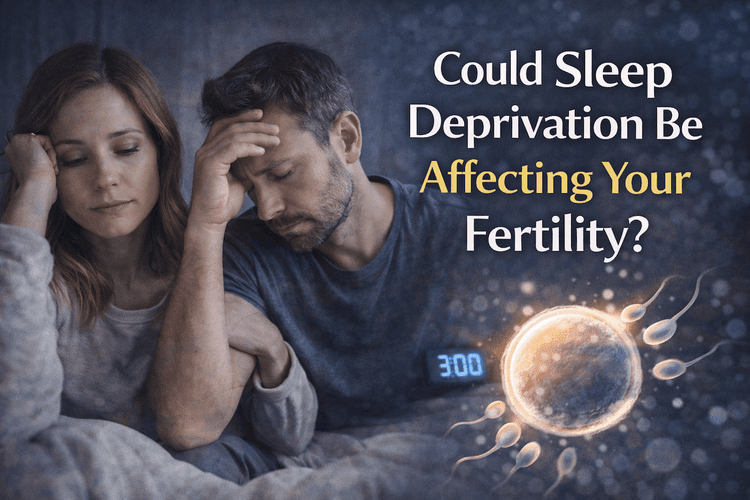
Cuando la concepción tarda más de lo esperado, muchas parejas se centran en la calidad de los óvulos, la ovulación y el momento. Sin embargo, los factores masculinos contribuyen a una gran parte de la infertilidad, y la forma más rápida de comprenderlos es un test hormonal de fertilidad para hombres combinado con una evaluación del semen. Un control de la fertilidad masculina bien planificado convierte la preocupación en un plan claro, al mostrar cómo funcionan conjuntamente las hormonas y la salud del esperma.
Respuesta rápida: Una prueba hormonal de fertilidad para hombres mide señales clave como la testosterona, la FSH y la LH, y luego combina esos resultados con un análisis del semen para evaluar el recuento, el movimiento y la morfología de los espermatozoides. Juntas, estas pruebas revelan las causas subyacentes de la subfertilidad y orientan las medidas específicas que pueden mejorar los resultados en pocos meses.
Fertilidad masculina y hormonas: Lo que estás midiendo
La producción saludable de esperma depende del eje hipotalámico hipofisario gonadal. En la práctica, los clínicos se fijan en un pequeño panel de gran impacto:
- La FSH favorece la producción de esperma en los testículos.
- La LH estimula las células de Leydig para que produzcan testosterona.
- La testosterona total y libre influyen en la libido, la energía y la espermatogénesis.
- La prolactina y el estradiol pueden comprobarse cuando los síntomas sugieren un desequilibrio hormonal.
Comprender estas hormonas en su contexto es esencial, porque los resultados a menudo se correlacionan con los parámetros del semen. Para una explicación en lenguaje sencillo de cómo se manifiestan estos sistemas en las mediciones espermáticas de la vida real, consulta el resumen en Prueba de análisis espermático: lo que la ciencia revela sobre la fertilidad masculina.
Qué incluye un análisis de fertilidad masculina
Una evaluación completa de primera línea suele combinar dos partes:
- El análisis de semen. Los laboratorios evalúan el volumen, la concentración, la motilidad y la morfología. Son frecuentes las pequeñas variaciones, por lo que muchas clínicas repiten la prueba tras un breve intervalo. Si quieres prepararte bien y evitar los errores comunes de las pruebas, revisa las orientaciones de cómo prepararse para un análisis de semen.
- Pruebas hormonales. Los análisis de sangre matutinos de testosterona, FSH y LH ayudan a explicar un recuento bajo, una motilidad deficiente u otros hallazgos anormales. Cuando la testosterona parece baja con LH y FSH inapropiadamente bajas o normales, los clínicos pueden considerar causas centrales. Cuando la FSH es alta con un recuento bajo, es más probable una disfunción testicular primaria.
Si los resultados iniciales del semen son normales, pero la fertilidad sigue sin explicación, el médico puede sugerir una evaluación más profunda, como una prueba de integridad del ADN. Un manual útil es qué es la fragmentación del ADN espermático.
Cuándo hacer la prueba y qué desencadena un control precoz
Es mejor realizar la prueba antes si se da alguno de los siguientes casos:
- Doce meses de intentos sin embarazo si la pareja femenina tiene menos de 35 años, o seis meses si tiene más de 35 años.
- Antecedentes de testículos no descendidos, cirugía testicular, quimioterapia o traumatismo pélvico.
- Síntomas de desequilibrio hormonal, como libido baja, fatiga o erecciones matutinas reducidas.
- Enfermedad febril reciente o exposición al calor cerca del momento en que comenzaron los intentos, ya que los picos de temperatura pueden silenciar la producción de esperma durante unos meses.
Interpretar los resultados: Patrones que importan
Ninguna cifra por sí sola define la fertilidad. Los clínicos buscan patrones que conecten las hormonas con la producción de esperma:
- Una FSH alta con un recuento bajo sugiere una espermatogénesis alterada.
- Una testosterona baja con LH y FSH bajas o normales** puede indicar hipogonadismo secundario.
- Hormonas normales con baja motilidad o morfología dirige la atención al estilo de vida y al estrés oxidativo, más que a una enfermedad endocrina primaria.
Si tu informe muestra un recuento normal pero resultados decepcionantes, recuerda que la calidad importa tanto como la cantidad. Este matiz se explica en calidad del esperma frente a cantidad.
Factores del estilo de vida que marcan la diferencia
Dado que una nueva cohorte de espermatozoides madura aproximadamente cada 2 ó 3 meses, los cambios selectivos pueden producir ganancias mensurables en un breve espacio de tiempo:
- Nutrición y antioxidantes. Las dietas ricas en frutas, verduras, cereales integrales, frutos secos y legumbres aportan vitaminas C y E, zinc, selenio y carotenoides relacionados con una mejor motilidad e integridad del ADN. Puedes traducir esto en acciones diarias con cómo mejorar la salud del esperma: pasos prácticos.
- Sueño y manejo del estrés. El sueño deficiente y el estrés crónico desregulan las hormonas y aumentan el estrés oxidativo. La fisiología que subyace a esta conexión se resume en testosterona, estrés y fertilidad masculina.
- Exposición al calor. Los jacuzzis, la ropa ajustada que atrapa el calor y el uso prolongado del portátil sobre el regazo pueden elevar la temperatura escrotal. Si se ha tenido fiebre alta recientemente, espera un tiempo de recuperación antes de volver a hacer la prueba, como se explica en ¿Puede afectar la fiebre a la fertilidad masculina y a la salud del esperma.
- Alcohol, tabaco y toxinas. El tabaco y el exceso de alcohol aumentan el daño oxidativo y disminuyen la motilidad. Reducir la exposición a pesticidas y ciertos plásticos favorece unos parámetros más sanos.
- Dosis de ejercicio. El entrenamiento moderado regular ayuda. Las cargas de resistencia extremas o el uso de esteroides anabolizantes pueden suprimir el eje y perjudicar la producción de esperma.
Medicamentos, suplementos y lo que hay que preguntar
Los medicamentos que alteran la función hipofisaria o testicular pueden influir en los resultados. Si hay tratamiento con estimulantes, sustitución de testosterona o inhibidores de la 5 alfa reductasa, es importante programar las pruebas y coordinar la atención. En lugar de adivinar un "mejor suplemento" universal, los médicos individualizan en función de los déficits o los hallazgos específicos del semen. Tus resultados basales, más los principios de Infertilidad masculina: lo que nadie te dice y por qué importa, pueden orientar elecciones más inteligentes.
Si las pruebas iniciales muestran hormonas normales y una calidad seminal límite, tu médico puede añadir pruebas de integridad del ADN para completar el cuadro, utilizando el marco de qué es la fragmentación del ADN espermático.
Pruebas avanzadas y opciones asistidas
Cuando la FIV estándar muestra una fecundación inesperadamente baja, los problemas espermáticos ocultos pueden ser la razón. En tales casos, los equipos pueden considerar la terapia antioxidante, la recuperación de esperma testicular o técnicas de laboratorio que evitan los defectos de unión. Para obtener una visión general con base científica de por qué a veces la fecundación tiene un rendimiento inferior incluso con recuentos normales, el artículo sobre prueba de análisis de espermatozoides explica el desfase entre las métricas rutinarias y la función más profunda.
Si estás explorando las vías asistidas, un punto de partida accesible es cómo ser padre con tratamiento de fertilidad, que describe los enfoques habituales y cómo los factores masculinos determinan la toma de decisiones.
Por qué probar primero ahorra tiempo, estrés y dinero
Muchas parejas se deciden a someterse a procedimientos antes de completar un examen básico del varón. Un simple panel puede revelar problemas corregibles como el varicocele, problemas hipotalámicos hipofisarios subclínicos o patrones de estilo de vida que afectan negativamente los resultados. Alinear el tratamiento con la verdadera causa acorta el camino y reduce la carga emocional. Normalizar este paso también reduce el estigma, que se explora en por qué una revisión de la salud del esperma sigue pareciendo un tema tabú.
Edad, calendario y expectativas realistas
Los hombres siguen siendo fértiles durante más tiempo que las mujeres, pero la edad sigue influyendo en la integridad del ADN y la motilidad. Establecer expectativas ayuda a las parejas a planificar los plazos, considerar la posibilidad de realizar pruebas antes y elegir estrategias que se ajusten a su ventana. En La fertilidad masculina y la edad: lo que todo hombre debe saber aparece información de fondo sobre los patrones relacionados con la edad.
Romper el estigma y empezar
El silencio retrasa la atención. Un enfoque respetuoso, que dé prioridad a los datos, ayuda a las parejas a pasar de la preocupación a la acción. Si quieres un marco sencillo para repartir la carga y avanzar en equipo, la perspectiva de cómo los hombres pueden desempeñar un papel central en el viaje de la fertilidad puede facilitar las primeras conversaciones.
Preguntas frecuentes sobre hormonas y pruebas de fertilidad masculina
¿Qué pruebas hormonales hay que hacer para la fertilidad masculina?
Las hormonas clave son la testosterona, la FSH, la LH, la prolactina y, a veces, el estradiol. Juntas, revelan lo bien que funcionan los testículos y la hipófisis para favorecer la producción de esperma.
¿Puedo comprobar mi fertilidad como hombre?
Sí. Un simple análisis de semen combinado con una prueba hormonal de fertilidad puede evaluar el recuento, el movimiento y el equilibrio hormonal de los espermatozoides. Muchas clínicas y servicios a domicilio hacen ahora las pruebas accesibles y privadas.
¿Cómo se hacen las pruebas los hombres para saber si son fértiles?
Las pruebas suelen consistir en proporcionar una muestra de semen y una pequeña muestra de sangre para el análisis hormonal. Los resultados combinados ayudan a los médicos a identificar posibles problemas que afecten a la fertilidad.
**¿Cuándo debe un hombre hacerse un análisis hormonal?
Los hombres deben hacerse la prueba después de seis a doce meses de concepción infructuosa, o antes si hay síntomas como fatiga, libido baja o problemas testiculares anteriores.
¿Qué es un análisis hormonal completo para hombres?
Una prueba hormonal completa mide la testosterona, la FSH, la LH, la prolactina y las hormonas tiroideas. Estos valores muestran lo bien que está regulado el aparato reproductor y si se necesitan más pruebas.
¿Eyacular con demasiada frecuencia puede disminuir la testosterona?
No, la eyaculación frecuente no reduce significativamente los niveles de testosterona. La hormona permanece estable porque está regulada por el sistema endocrino, no por la frecuencia de la actividad sexual.
¿Cuáles son los síntomas de la testosterona baja?
Entre los signos más frecuentes están la disminución de la libido, la fatiga, los cambios de humor, la disminución de la masa muscular y, a veces, un recuento bajo de espermatozoides. Un análisis de sangre es la única forma fiable de confirmar la deficiencia de testosterona.
¿No eyacular durante 7 días aumenta la testosterona?
Las investigaciones muestran sólo un pequeño aumento temporal de la testosterona tras una semana de abstinencia. No es suficiente para crear beneficios hormonales o de fertilidad duraderos.
**¿Por qué cambia el humor de los hombres después de eyacular?
Los cambios de humor se deben a un descenso de la dopamina y a un aumento de la prolactina tras el orgasmo. Estos cambios químicos naturales crean relajación o fatiga, pero duran poco y no son perjudiciales.
Conclusión y Próximos Pasos
Una prueba hormonal de fertilidad para hombres combinada con un análisis de semen proporciona la visión más rápida y clara de la fertilidad del factor masculino. Los resultados guían pasos específicos que pueden mejorar los resultados en pocos meses, desde el sueño y la nutrición hasta la regulación del estrés y, cuando sea necesario, la terapia médica. Si los intentos anteriores se vieron afectados por una enfermedad o el calor, deja pasar un ciclo completo de regeneración antes de volver a hacer la prueba y utiliza tu valor de referencia como brújula.
En Conceivio, ofrecemos una atención a la fertilidad inclusiva, basada en la ciencia y la compasión. Si estás explorando tus opciones, ponte en contacto con nuestro equipo para hablar del enfoque más adecuado para ti.