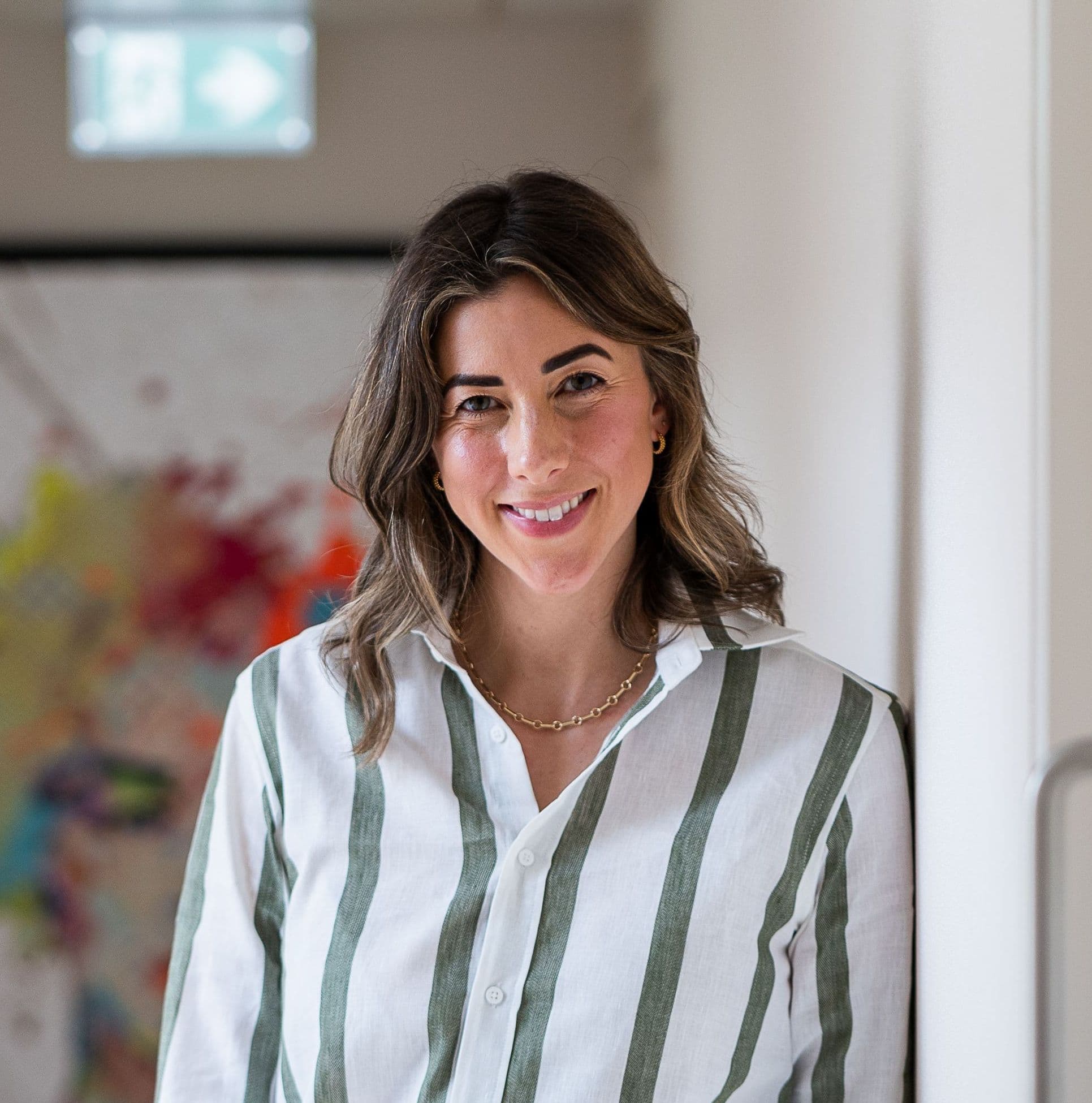
00:00:00 Velkommen til Mind Your Fativity. En podcast, hvor vi diskuterer videnskabeligt baserede værktøjer til fertilitet og sundhed. Jeg er Sebastian, din vært fra Consevio. Consevio leverer en pædagogisk app, der er designet til at støtte dig i din fertilitet. rejse. Vi udnytter videnskabeligt baserede indsigter baseret på dine data, leveret af de bedste eksperter til at støtte dig på din fertilitetsrejse, og give dig redskaberne til at optimere din fertilitet.
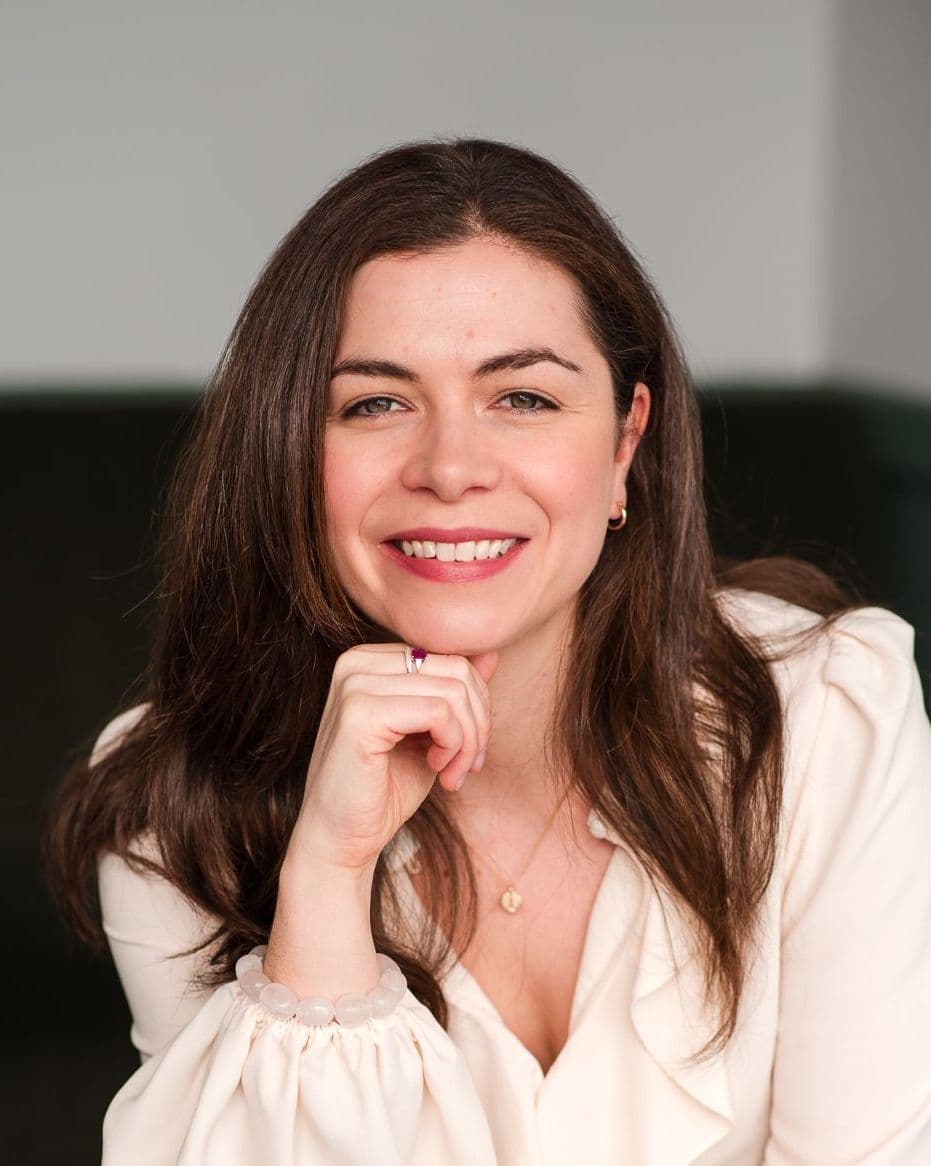
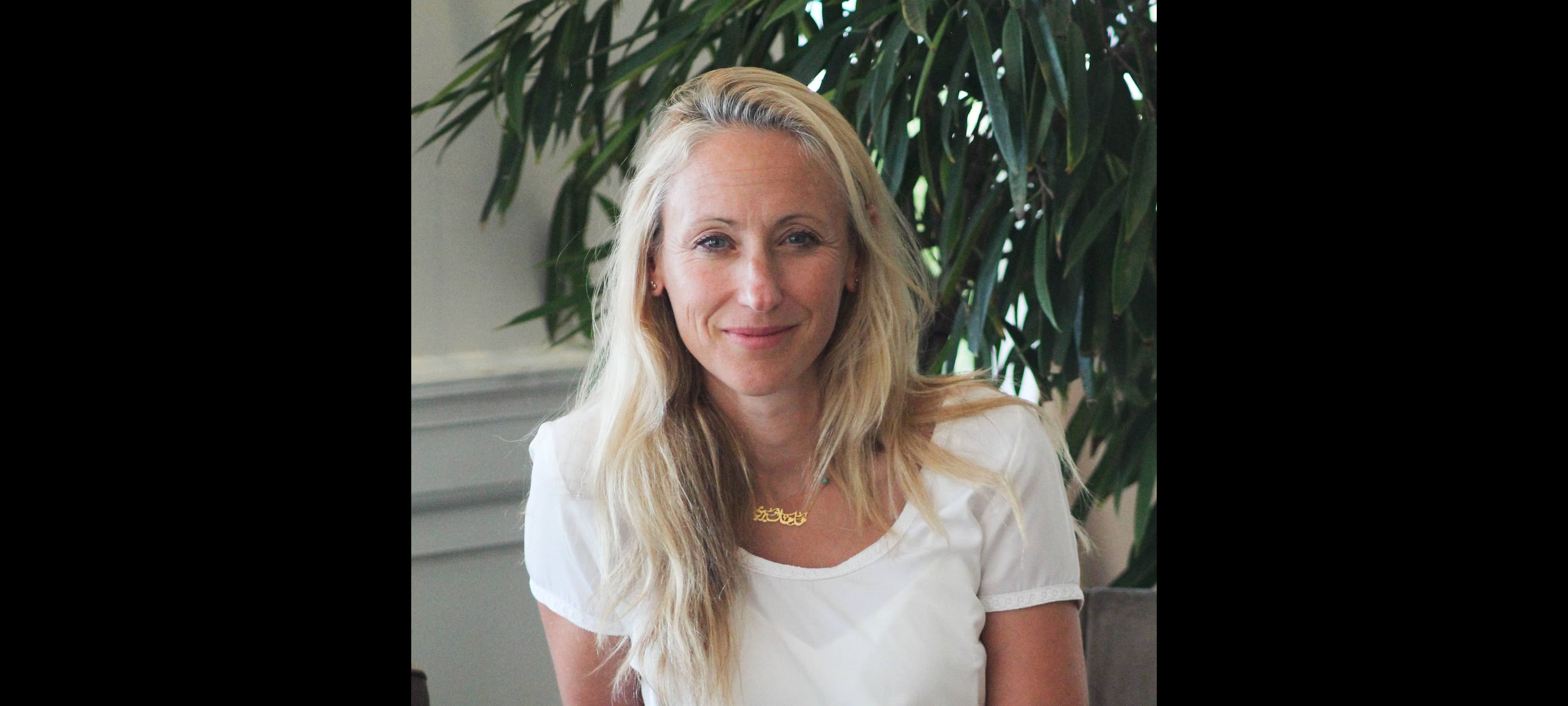
00:00:26 og give dig redskaberne til at optimere din fertilitet. I dag er vi beærede over at have Natasha Evans med os. Natasha er registreret ernæringsekspert og sundhedscoach med speciale i frugtbarhed. I sin private praksis arbejder hun med par, der ønsker at blive gravide Naturligvis, Alle individer er par, der gennemgår assisteret reproduktionsteknologi. Natasha er også grundlægger af fertilitetsmetoden 360.
00:00:58 Ni trin til ni måneder, hvis man har en holistisk 360-graders tilgang til fertilitet, Ni trin til ni måneder, hvis man har en holistisk 360-graders tilgang til fertilitet, med optimering på tværs af kost, livsstil, miljø og tilskud. Natasha er også medlem af fertilitetsernæringscentret og tager imod klienter gennem sin private praksis, og tager imod klienter gennem Cotton Edge Longevity Clinic, menneske beliggende i Mayfair i Storbritannien. Med mere end ni års erfaring inden for tech,
00:01:28 Hun fortsætter med at dele sin erfaring med teknologivirksomheder, herunder Stride, Hun fortsætter med at dele sin erfaring med teknologivirksomheder, herunder Stride, hvor hun er ernæringschef, og også i FEMTEC-virksomheden Day, hvor hun rådgiver klienter om, hvordan man optimerer det vaginale mikrobiom og tackle menstruationssmerter. Og med det, Natasha, tusind tak, fordi du er med os i dag. Tak, fordi jeg måtte komme. Jeg tror, der er mange af vores lyttere, der er interesserede i, hvordan aldring
00:01:52 faktisk påvirker fertiliteten. Og give din ekspertise i lang levetid og fertilitet, Jeg tror, det ville være et godt udgangspunkt for at tale om videnskaben Jeg tror, det ville være et godt udgangspunkt for at tale om videnskaben og også misforståelserne omkring aldring og fertilitet. Ja, selvfølgelig. Så jeg tror, der er meget medieopmærksomhed, men der har altid været meget fokus på kvinders alder og fertilitet.
00:02:16 Og virkeligheden er, at kvinder og mænd venter senere og senere i livet med at få børn. Og selvom det er meget muligt, og faktisk er gennemsnitsalderen af mennesker bliver gravide, stiger år for år, af mennesker bliver gravide, stiger år for år, Faktisk er den hurtigst voksende aldersgruppe for kvinder, der ønsker at blive gravide, dem over 40 år. Så på trods af alt det er der nogle udfordringer, der følger med at blive gravid senere i livet.
00:02:46 Så for det første vil alle være meget opmærksomme på, at din ovariereserve begynder at falde når du bliver ældre. Så du er født med alle de æg, du nogensinde kommer til at få. Og hver måned mister du et par æg. Så det er ikke kun den, du har ægløsning i, men det afhænger også af kvinden, Så det er ikke kun den, du har ægløsning i, men det afhænger også af kvinden, at det kan være tusindvis af æg, der bare dør hver måned, samt en del af
00:03:05 den månedlige cyklus. Så din ovariereserve falder år for år, Og det kan man ikke gøre noget ved. Men en anden ting, der sker, er, at vores æg også ældes, når vi bliver ældre. Så din ægkvalitet falder, når du bliver ældre. Men det fede er, at vi faktisk kan gøre noget ved det. Og desværre får de fleste kvinder ikke det at vide. Så de går ind i IVF-oplevelsen, og de stiller måske spørgsmålet,
00:03:26 Så de går ind i IVF-oplevelsen, og de stiller måske spørgsmålet, Er der noget, jeg kan gøre for at forbedre mine chancer? Hvad som helst, jeg kan gøre for at forbedre min ægkvalitet. Og det, jeg ofte hører fra mine klienter, er, at de får det at vide, Nej, der er ikke noget, du kan gøre. Du må bare prøve en ny runde, eller hvad det nu er. Måske har de en samtale om rygning eller alkohol eller om at miste. vægt.
00:03:49 Men det er faktisk alt, hvad det er. Og det giver dem virkelig ikke meget at arbejde med. Men der er faktisk så mange ting, man kan gøre for at støtte ægkvaliteten. Og så arbejder jeg med mange kvinder, der er i 40'erne, og du ved, Og så arbejder jeg med mange kvinder, der er i 40'erne, og du ved, Vi gør alt, hvad vi kan, for virkelig at støtte den lighed, for at øge deres chancer for at blive gravide på naturlig vis eller ved at sammenligne fem år. Måske lidt af en omvej i forhold til emnerne.
00:04:11 Men det er virkelig interessant, hvad du siger om at ældes og om at blive, forsøger at blive gravid senere i livet. Og det ser vi også på grund af en masse kulturelle årsager. Men selv hos yngre mænd er der lavet en stor undersøgelse, der viser, at Spredningskvaliteten er faldet med ca. 50 % i udviklingslandene. Spredningskvaliteten er faldet med ca. 50 % i udviklingslandene. Og du ser også den samme tendens i lande, der er begyndt at blive mere udviklet og industrialiseret.
00:04:36 Så det handler ikke kun om aldring, men faktisk også om miljøet. Og jeg ved, at det også er noget, du taler meget om. Hvordan påvirker miljøet frugtbarheden? Ser du nogen tendenser til, at klienter i din klinik bliver udsat for miljø som du kan hjælpe dem med, undgå giftstoffer og så videre. Ja. Åh gud, helt sikkert.
00:04:59 Så for det første ville jeg gerne sige, at sædkvaliteten også... Så for det første ville jeg gerne sige, at sædkvaliteten også... falder med alderen. Så det handler ikke kun om ægkvalitet, men også om sædkvalitet. Så selv efter 35-årsalderen, men helt sikkert efter 40-årsalderen, Selv om du stadig kan blive gravid som en mand, vil du virkelig gerne tænke på om værktøjer for at forbedre din sædkvalitet, fordi DNA-fragmenteringen begynder at stige,
00:05:25 som virkelig kan påvirke din chance for at blive gravid, øge din risiko for Abort, men påvirker også barnets helbred. men påvirker også barnets helbred. Så ja, mandlig fertilitet er også meget vigtig på alderssiden. . Og bare fordi man kan, betyder det ikke, at det nødvendigvis bliver optimalt. Men ja, miljøet.
00:05:44 Så vi har denne naturlige ældning af celler, der sker, og det sker for alle cellerne i vores krop. Så husk på, at ægget er en celletype, og sædcellen er en celletype. Så alle vores celler ældes, når vi bliver ældre, og det mærker vi nogle gange tydeligt. også. Og det sker med vores æg og sædceller. Og det sker med vores æg og sædceller. Men vores miljø er faktisk på en måde skyld i, at vores celler potentielt ældes
00:06:07 hurtigere end de måske før, fordi vi er udsat for så mange ting i vores moderne liv. Omgivelser som vi aldrig har været udsat for før. Den mængde, du ved, den måde, verden har udviklet sig på i de sidste 10 år, de sidste par årtier, selv de sidste par hundrede år i forhold til, hvor det var for tusinder af år siden for længe siden,
00:06:26 Det er uhørt, hvor meget verden har ændret sig. Og det har en effekt på vores krop. Og det har en effekt på vores krop. Så nogle af de ting, vi er udsat for nu, var vi ikke engang for et par årtier siden. ikke nødvendigvis, er for eksempel ultraforarbejdede fødevarer. Så der er masser af kemikalier og kunstige stoffer i vores mad, meget langt fra naturen, meget langt fra
00:06:52 hvordan vi er skabt til at spise. Så det er et eksempel. Vi har også kunstigt lys, for eksempel, Vi udsættes for langt mere kunstigt lys end nogensinde før. Vi udsættes for langt mere kunstigt lys end nogensinde før. Det kan man f.eks. se på satellitbilleder af verden om natten. Og det ødelægger virkelig vores døgnrytme og vores melatonin. produktion, hvilket har en afsmittende effekt på vores søvn, men også på inflammationsniveauer i
00:07:14 krop, på vores fordøjelsesfunktion, så mange ting. Giftstoffer findes i miljøet, så ting som plastik har vi hundredvis af artikler om. nu, om virkningerne af plastik eller kemikalier og plastik som BPA på vores fertilitet, og resultaterne er ikke gode. og resultaterne er ikke gode. Så det har en virkelig stor indflydelse på vores fertilitet.
00:07:33 Men det er også bare én ting, vi bliver udsat for. Der er så mange andre kemikalier. Vi opfinder hundredvis af nye kemikalier hvert eneste år. Så det er bare et par eksempler på alle de ting, vi bliver udsat for i... vores moderne liv. Og som du nævnte i min intro, er jeg overbevist om, at grunden til, at så mange mange mennesker har svært ved at blive gravide nu, er fordi vi lever i en unaturlig verden.
00:07:57 Så det, der skulle være det mest naturlige for mennesker og dyr... Så det, der skulle være det mest naturlige for mennesker og dyr... at gøre bliver sværere og sværere. Og grunden er egentlig todelt. Den første grund er, at vi senere tænker på data for samfundsmæssige og kulturelle årsager og den slags. Men også det faktum, at vi lever i en dybt unaturlig verden.
00:08:17 Vi er meget afkoblet fra den måde, vi skulle leve på, og det har en afsmittende effekt på vores cellulære sundhed. Og hvordan tror du, det spiller ind i rollen som ligestilling og ældning af ægget som Og hvordan tror du, det spiller ind i rollen som ligestilling og ældning af ægget som Nå? At tage de naturlige versus de unaturlige verdener, vi lever i. Ja, ja. Som vi nævnte før, er vi født med alle de æg, vi nogensinde kommer til at få. at have.
00:08:41 Så de sidder bare i vores krop, hele vores liv. Og af den grund er de faktisk følsomme over for vores miljø for vores hele livet. Så alt, hvad vi har gjort indtil i dag, påvirker vores ægkvalitet, Det er virkelig irriterende. Du begynder at genoverveje alle de beslutninger, du tog i 20'erne, og ting som Du begynder at genoverveje alle de beslutninger, du tog i 20'erne, og ting som det.
00:09:02 Men ja, de har dybest set været udsat for hele vores livstid af hvad som helst udskejelser, vi har været ude i. Og når det er sagt, så er de især følsom over for, hvad der foregår i dit miljø i tre måneder før ægløsningen. Og det er den meget styrkende ting, fordi det betyder, at uanset hvad du har gjort tidligere, hvis du virkelig begynder at optimere dit helbred i dag og arbejder på det i tre måneder før
00:09:29 måneder før til at blive gravid, vil du være i en meget bedre position end der, hvor du var før det. Så jeg er ikke sikker på, at det besvarede dit spørgsmål. Jeg kan faktisk ikke huske, hvad Dit spørgsmål var. Hvad var det? Ja, jeg synes, du svarede perfekt og også mere detaljeret. Hvis vi tager tremånedersvinduet med hensyn til fertilitet, betyder det så, at
00:09:52 Du kan lave en mange ændringer og så enten gøre det permanent eller måske lave en slags mange ændringer og så enten gøre det permanent eller måske lave en slags indsats lige før en IVF-cyklus? Hvordan vil du anbefale at arbejde i de tre måneder? Jeg gætter på virkelig jo bedre, men er der også nogle praktiske råd, du kan give om det? Ja, men jo før du kommer i gang, jo bedre. Og desværre er de fleste mennesker kun
00:10:17 virkelig tænke over dette, når de er stødt på et par problemer på deres fertilitetsrejse allerede, og de begynder at tænke på, hvad de ellers kan gøre for at støtte deres frugtbarhed. Meget få af os tænker faktisk på denne forebyggende sundhedsbølgelængde, Meget få af os tænker faktisk på denne forebyggende sundhedsbølgelængde, Men jeg tror, det er ved at ændre sig. Så jo før du kan begynde at arbejde på optimering af din
00:10:37 sundhed for fertiliteten, jo bedre. Hvis ikke, så giv det i det mindste tre måneder, for Det er det optimale, Det er det tidspunkt, hvor ægget er mest følsomt over for sine omgivelser. Og også den Det samme gælder for sæd. Så mænd regenererer konstant ny sæd, men det tager omkring tre måneder for at sædcellerne kan modnes. Det er lidt mindre end det, men som udgangspunkt er det omkring tre måneder. Så som et par,
00:10:59 hvis du er i et heteroseksuelt forhold, så hvis du tilbringer tre måneder hvis du er i et heteroseksuelt forhold, så hvis du tilbringer tre måneder virkelig at optimere din sundhed og så begynde at prøve at blive gravid, uanset om du prøver at blive gravid Naturligvis, eller om du derefter går i gang med IVF-processen, er sandsynligheden for, at du er kommer til at øge din chancer på grund af de tre måneders forberedelse på forhånd. Og så med hensyn til
00:11:17 af, hvad man skal gøre I løbet af de tre måneder er det virkelig sundhedsoptimering. Jeg tror, at fertilitet er en god proxy af din generelle sundhed i dine reproduktive år. Så når du tænker på din sundhed helt sundhed helt holistisk, tror jeg, at en fælde, vi nogle gange falder i inden for medicin, er, at hvis Du har en
00:11:36 problem med dit øje, går du til en øjenlæge. Hvis du har et problem med din fertilitet, Du går til en fertilitetslæge. Du har et problem med dine tarme. Du går til en tarmlæge. Men ingen af disse teams kommunikerer med hinanden. Og faktisk er der ingen af disse systemer eksisterer i isolation. Så den måde, ernæringsterapeuter arbejder på, er, at de gerne vil for at se på helheden
00:11:56 billede. Så jeg vil gerne vide, hvad der sker med dit energiniveau, med din billede. Så jeg vil gerne vide, hvad der sker med dit energiniveau, med din hud, med din søvn, med din stress, med din fordøjelse. Jeg vil vide alt det og mere til fordi alt det giver mig en virkelig vigtig brik i puslespillet, der kan hjælpe med at udpege områder hvor, som måske har brug for optimering for at hjælpe dig med at blive gravid. Så tre måneders sundhedsoptimering og
00:12:22 du ved, Jeg fremmer virkelig en 360 graders tilgang her. Så det handler ikke kun om at tænke på diæter, men det er også tænker på søvn, stress, bevægelse, giftpåvirkning, mindset, alle disse ting tænker på søvn, stress, bevægelse, giftpåvirkning, mindset, alle disse ting forskellige områder sammen for virkelig at give dig, for at få dig til at føle dig fantastisk for det første, og disse er ting, du kan
00:12:41 implementere for livet, ikke kun det, du prøver at blive gravid med, men forhåbentlig også optimere din chancer for at bedrage. Ja, tak skal du have. Og jeg elsker den måde, du taler om at se en ny generation, der er mere forebyggende i stedet for at gribe ind, når de ser en problem. Men det gør jeg Jeg tror, at mange mennesker gerne vil vide mere om begrebet uforklarlig barnløshed. Jeg tror, at mange mennesker gerne vil vide mere om begrebet uforklarlig barnløshed.
00:13:03 Fordi mange mennesker vil høre om dette og måske også få diagnosen fra den, de konsulterer med. Men Jeg ville bare gerne forstå dit forhold til uforklarlig infertilitet. Ja, så for det første defineres infertilitet i øjeblikket som ikke at være i stand til at blive gravid efter en år med forsøg. Så bare fordi du er blevet diagnosticeret med infertilitet, betyder det ikke... Det betyder ikke, at du er
00:13:29 ikke vil være i stand til at blive gravide. Faktisk er en ret høj procentdel af ikke vil være i stand til at blive gravide. Faktisk er en ret høj procentdel af mennesker, der har infertilitet efter et år er i stand til at blive gravide. Jeg tror, det er omkring 80 %. stadig i stand til at blive gravid efter det. Og så kan nogle mennesker have mere strukturelle problemer, som kan være lidt sværere. Så det er infertilitet. Og uforklarlig infertilitet er, når du har haft dette, du
00:13:49 ved, i det mindste en år med forsøg på at blive gravid, uden held. Og så har du fået foretaget nogle tests og De er alle kommet tilbage uden resultat. Så de har ikke været i stand til at finde ud af, hvorfor du ikke har været i stand til... at blive gravid. Og at blive gravid. Og Det er ret almindeligt at få den diagnose. Og det er utroligt frustrerende fordi det ikke giver
00:14:07 noget at arbejde med. Og jeg tror, der er et par problemer med dette. Du ved, at jeg Mange, mange mennesker, der arbejder med den mere funktionelle side af sundhed. ting. Vi kan godt lide at siger, at det er mere uudforsket infertilitet. De, i hvert fald i Storbritannien, de kontrollerer, at NHS har tendens til at tilbyde, er ret restriktive. For det første får kvinden meget mere har tendens til at tilbyde, er ret restriktive. For det første får kvinden meget mere
00:14:31 test end manden, selvom vi ved, at infertilitet er 50% mandlig faktor og 50% kvindelig faktor. Men en mand har altid kun tilbudt en meget grundlæggende sædanalyse. Og med kvinden er der flere test. end kvinden, men det er stadig ikke omfattende nok. Og virkelig, når der er to ting, jeg tror er nyttige her. Den første er at se på testresultaterne med andre øjne. Så NHS,
00:14:52 Den første er at se på testresultaterne med andre øjne. Så NHS, for eksempel, ser på de normale intervaller, og de er så store. Så du kunne være lige her og blive betragtet som Normal. Du kan være lige her og blive betragtet som normal. Det er ikke nødvendigvis optimalt. Så når du ser ved mere optimale intervaller kan være nyttige. Og for det andet er der flere tests tilgængelig privat. Desværre,
00:15:19 ikke nødvendigvis dækket af NHS, men der er flere tests til rådighed, som har måske nogle flere svar. Så, og du ved, at diagnosen uforklarlig infertilitet kan være meget umyndiggørende meget umyndiggørende for folk ved virkelig ikke, hvad de skal stille op med det. Og generelt, barnløshedsrejser kan være meget stressende. Og når jeg ser klienter, er de at gøre alle disse
00:15:41 beregninger i deres hoved om, hvad det kunne være. Og tvivler på hver eneste eneste ting, de har Måske var det fordi, jeg ikke spiste i sidste uge? Eller måske var det, fordi jeg fik et halvt glas vin forleden dag, du ved, alle disse ting. Og det er et absolut minefelt. Men Ja, Ja, Hvis du har fået konstateret uforklarlig infertilitet, vil jeg sige, at der er
00:16:03 sandsynligvis stadig flere svar derude. Men du bliver nødt til at finde nogen, der vil gå lidt... dybere. Jeg synes også, det er et betryggende svar, at det også handler om, hvor meget du undersøge. Så selv om du har, får du denne besked, der er stadig ting, der skal gøres, og ting, du kan gøre. Og det er det andet spørgsmål, også alle de beslutninger, du har taget tidligere.
00:16:25 Ja, jeg tror faktisk, og faktisk bare for at tilføje det, Sebastian, så ville jeg Ja, jeg tror faktisk, og faktisk bare for at tilføje det, Sebastian, så ville jeg siger, Før du søger mere professionel hjælp, skal du kigge indad og se, om der er alt, hvad du kan Læg mærke til dig selv. Så stil dig selv spørgsmålet, om du føler, at du har et optimalt helbred lige nu? Er der områder, hvor du føler, at du ikke er der, hvor du gerne vil være?
00:16:48 være? Og se, om du kan, din krop vil give dig så mange svar, hvis du ved, hvordan du skal lytte, men Det er virkelig svært at lytte nu om dage. Der er bare så mange distraktioner og Det er virkelig svært at lytte nu om dage. Der er bare så mange distraktioner og så mange ting Hacking er intuition. Men hvis du er i stand til at tappe ind, kan du måske finde nogle Svar, nogle ting du vil arbejde med. Og igen, hvis du ikke allerede har gjort det, så se
00:17:14 hvis du bare kan arbejde på at optimere jeres sundhed som par i tre måneder. Og hvis du er får stadig ikke nogen steder, så er det måske værd at søge nogen, der vil hjælpe dig lidt mere ud professionel. Og hvordan tror du, at folk kan komme i gang med at arbejde med deres Sundhed? Jeg tror, at en mange mennesker har hørt om, at motion og stress er meget vigtigt for
00:17:29 mange mennesker har hørt om, at motion og stress er meget vigtigt for fertilitet. Kan du måske dykke lidt ned i, hvordan du arbejder med disse livsstilsændringer? Ja. Ja, selvfølgelig. Så kost er virkelig, virkelig vigtigt. Jeg tror, det er ret almindeligt kendt nu, at kost, som din kost virkelig påvirker dit helbred, og måske er det lidt mindre kendt, at kost påvirker din fertilitet.
00:17:54 Men igen, hvis vi ser fertilitet som en proxy for dit generelle helbred, så alt, hvad du kan gøre for at optimere dit helbred er fantastisk. Men grunden til, at kosten er så vigtig for at optimere dit helbred er fantastisk. Men grunden til, at kosten er så vigtig er, fordi vi er afhængige af vores kost for at få næringsstoffer ind i vores krop, for at drive forskellige processer i kroppen. Og mens vi kan fremstille nogle næringsstoffer selv, er vi stadig i høj grad afhængige af vores
00:18:15 kost for at få disse næringsstoffer i. Så vi leder for eksempel efter næringsstoffer, der kan hjælpe med at fremstille hormoner for at støtte vores mitokondriesundhed, som skaber cellulær energi, hvilket er så vigtigt for fertiliteten. vigtigt for fertiliteten. Vi kigger på DNA-syntese og -reparation. Vi leder efter næringsstoffer til faktisk bygge en baby, så aminosyrer og alle livets byggesten. Vi
00:18:41 har brug for at få disse ting fra vores kost. Så kosten er virkelig, virkelig afgørende. Og hvis du har en dårligt afbalanceret kost, eller desværre, om størstedelen af vores kost i den vestlige verden er ultra -behandlet nu, som er blottet for næringsstoffer og fuld af kemikalier, der ofte er meget pro-inflammatoriske. som er blottet for næringsstoffer og fuld af kemikalier, der ofte er meget pro-inflammatoriske. Og det er ikke en
00:19:04 optimal kost til at understøtte fertilitet. Så for at vende tilbage, plejer jeg at sige, at vi gerne vil Kom tilbage til naturen og spise så tæt på naturen som muligt. Og med det mener jeg at spise stort set en Kosten bestod af stort set hele, uforarbejdede fødevarer. Så for eksempel en overflod af frugt og grøntsager, af forskellige farver, fordi alle de forskellige farver indeholder forskellige næringsstoffer i,
00:19:30 som er forskellig information, din krop. Og så er der også bælgfrugter, hele korn, Proteinkilder af god kvalitet er virkelig vigtige. Jeg ser faktisk mange mennesker under at spise protein i klinikken, potentielt fordi, du ved, veganer og plante... baserede kostvaner er så populære nu, og kød og protein er på en måde blevet dæmoniseret. Men faktisk.., Nu føler jeg, at det vil gå i den modsatte retning. Jeg har
00:19:53 set så mange mennesker under at spise protein, og det er så vigtigt for mitokondriefunktionen, skjoldbruskkirtlen funktion, bygning en baby, du ved, alle disse forskellige ting. Så en proteinkilde af god kvalitet en baby, du ved, alle disse forskellige ting. Så en proteinkilde af god kvalitet som æg, fisk, skaldyr, magre kilder til rødt kød, kylling, vildt, alle disse ting er Utroligt nok
00:20:13 næringsrig, ikke kun med hensyn til protein, men også med hensyn til B-vitamin C jern folat, A-vitamin og den slags ting, man kan finde derinde, som er så støttende for frugtbarhed, og så urter, krydderier, olivenolie, gode fedtstoffer, så nødder og frø, alle disse og så urter, krydderier, olivenolie, gode fedtstoffer, så nødder og frø, alle disse vidunderlige ting. Så opbyg din kost primært på disse fødevarer, og spis sådan omkring 80 til
00:20:36 90% af tiden, og så resten af tiden nyde en godbid i ny og næ og ting som at fordi livet også er værd at leve, og mad er også til for fornøjelsens skyld. Så kost er virkelig, virkelig afgørende. Men det er også kun en del af billedet. Så vi er nødt til at tænke hol istisk om sundhed, se på de andre aspekter af livsstilen, som søvn og stress
00:20:59 og alt muligt andet og alt muligt andet det også. Og hvad med stress? Hvordan ser du det passe ind i vores, du ved, det moderne liv som godt? Hvordan kan man arbejde uden om stress og samtidig arbejde med stress? Ja, det gør jeg. Så jeg synes, det er en vanskelig samtale, fordi de fleste mennesker, jeg ser i klinikken, er meget stressede og frugtbarhed
00:21:22 Rejser er meget stressende. Så når jeg taler med dem om stress, stress er sandsynligvis den det sværeste for nogen at ændre. Nogle gange bliver stress en del af en person det sværeste for nogen at ændre. Nogle gange bliver stress en del af en person 's identitet, Du ved, en slags type A-menneske, en person, der er overaktiv. iever, og for at få dem til at reducere deres stress, ville det kræve en massiv
00:21:47 ændring i livsstil. Så det er nok det sværeste at få nogen til at ændre sig, men det er virkelig vigtigt. Jeg tror, at en anden grund til, at det er en svær diskussion, er, at faktisk den Forskningen er ret blandet omkring stress og fertilitet. Så der er noget forskning Forskningen er ret blandet omkring stress og fertilitet. Så der er noget forskning der viser, at det er dårligt for
00:22:02 frugtbarhed. Der er noget forskning, der viser, at det er helt neutralt. Og jeg tror efter at have talt med nogle få eksperter, der arbejder inden for dette forskningsområde, tror jeg, at en af grundene til dette er, fordi det virkelig er Det er svært at måle stress. Så hvis du for eksempel bare beder folk om at lave en Undersøgelse og fortælling, du ved, fortælle dig, hvor stressede de er, de fleste mennesker undervurderer virkelig deres stressniveauer
00:22:26 fordi de på en måde har normaliseret det, men de kan faktisk være fordi de på en måde har normaliseret det, men de kan faktisk være kronisk lavgradig stress. Og så kan man teste det i blodet, men kortisolniveauet svinger. så meget i løbet af I løbet af dagen kan man teste det i urinen, men igen, det er ikke perfekt. Du kan teste det i hår, som måske er den bedste prøve. Så alle disse forskellige prøvemetoder, det
00:22:45 Det er ikke underligt, at dataene er virkelig blandet. Men hvis vi tænker på, hvad stress er ud fra en fysiologisk perspektiv, så kan vi begynde at indse, hvordan det kan have en effekt på fertiliteten. Og så Stress er en overlevelsesfaktor reaktion. Vi har kun én stressreaktion, og den er der for at holde os i live. Derfor reaktion. Vi har kun én stressreaktion, og den er der for at holde os i live. Derfor Alle mennesker har det,
00:23:03 Dyr har det, planter har det, du ved, vi har brug for det for at holde os i live. Så det er vores livsvigtige flyvning svar. Og det er kun i én af to tilstande i dit nervesystem. Du er enten i vital flyvninger, din stressrespons, eller hvile og fordøjelse, som er din parasymp. atetiske nervesystem. Så Hvis du konstant er i din stressreaktion, vil du ikke være i den hvile og fordøjelse. Men problemet er, at kroppen altid
00:23:25 hvile og fordøjelse. Men problemet er, at kroppen altid på udkig efter en sikker tid for at lave en baby. Og man er ikke i sikkerhed, hvis man hele tiden flygter fra farer. Og vi er bare udsat for langt flere farer, end vi nogensinde har været før. Og, du ved, meget, som mindre farer og potentielt før, du ved, vi taler ikke om rovdyr eller ikke at have en partner
00:23:47 eller ikke at have mad. Det har vi alt sammen nu. Men vi, men nu bliver vi udløst af, du ved, en bil, der kommer for hurtigt ned ad vejen, eller en e-mail, der kommer ind, Der kommer hundredvis af e-mails i hver dag fra et skænderi med en anden, et skænderi med en anden i hver dag fra et skænderi med en anden, et skænderi med en anden online, at være formodet til nyheder, forfærdelige nyheder, der sker over hele verden. Der er så mange
00:24:08 belastninger, der er Det er bare en del af det moderne liv nu. Og jeg tror, at de fleste mennesker er faktisk kronisk stresset nu. Så det, der sker, er for det første, at stress nedbryder næringsstoffer. Det er en energikrævende proces, fordi det handler om overlevelsesreaktion er der for at holde os i live. Så Det nedbryder en masse næringsressourcer rundt omkring i kroppen. Det omdirigerer også
00:24:29 blodgennemstrømning og blodgennemstrømning og ressourcer til de dele af kroppen, der har mest brug for dem i overlevelsestider. Så Det er dine sanser, til din hjerne, til dine muskler, men væk fra din fordøjelseskanal, så du er ikke i stand til at fordøje din mad og optage dine næringsstoffer. Og væk fra reproduktive system,
00:24:47 fordi du ikke behøver at reproducere lige nu, du skal bare passe på dig selv. Så fysiologisk set kan vi begynde at forstå, hvorfor stress kan påvirke fertiliteten. Men som jeg siger, Det er en af de sværeste ting at ændre. Så jeg plejer at sige til mine klienter, Det er en af de sværeste ting at ændre. Så jeg plejer at sige til mine klienter, Der er to ting vi kan gøre her. Den første ting er ikke at reducere stress i dit liv.
00:25:07 Nogle gange er det virkelig hårdt. For eksempel er det familien eller måske sorgen. Måske er det arbejde. Disse er ganske svært at ændre nogle gange, selv om nogle af mine klienter falder ned fire dage om året. uge, nogle af dem Nogle gange siger de endda deres job op. Det er op til dem, hvad de vil gøre med det. Men der er Der er nogle ting, du måske kan reducere. For eksempel ved at indstille bedre
00:25:27 grænser med mennesker eller holder op med at bruge sociale medier, reducerer din tid på sociale medier, reducerer din eller holder op med at bruge sociale medier, reducerer din tid på sociale medier, reducerer din nyheder, mængden af nyheder, du absorberer, alle den slags ting, tænker på de forskellige input. Og den anden ting, vi kan gøre, er at forbedre vores modstandsdygtighed over for stress og bare bygge en bedre stress-værktøjskasse. Så nogle af de teknikker, jeg diskuterer med mine klienter, er
00:25:48 for eksempel, Jeg synes, det er fantastisk at skrive dagbog. Alle disse tanker ned på papir, hvilket gør mening med dem og efterlader Jeg skriver det i bogen resten af dagen og går videre. Åndedrætsarbejde synes jeg er fantastisk, Jeg skriver det i bogen resten af dagen og går videre. Åndedrætsarbejde synes jeg er fantastisk, Meditation. Personligt dyrker jeg Qigong. Det synes jeg virkelig hjælper. At komme ud i naturen, som bruger,
00:26:07 Vi har masser af studier om det nu, ikke at vi overhovedet behøver at studere naturen. Det tænkte jeg ikke over. Men vi ved, at det har stor betydning. Og selv om du bor i en bymiljø, at gå i en park og bare tilbringe lidt tid i naturen, sætte fødderne i jorden den græs og den slags kan være en stor hjælp. Men motion er af kursus vigtigt,
00:26:24 Men hvis du overtræner, kan det blive en stressfaktor for kroppen. Måske kan du tale lidt mere om det senere. Men du er nødt til at finde de ting, der fungerer for dig. Og så det senere. Men du er nødt til at finde de ting, der fungerer for dig. Og så Jeg ved, at for nogle mennesker, virker meditation ikke, men du er nødt til at finde den praksis, der kommer til at arbejde for dig. Og en anden ting, som jeg synes er meget venstreorienteret nu om dage, er bare at gøre
00:26:47 mindre. Vi gør altid, gør, gør i vores moderne livsstil, selv om vi er At sidde og ikke gøre noget meget, vi scroller normalt et eller andet. Hvad med bare at gøre mindre? at have nogle perioder med Kedsomhed og at sidde og lave ingenting og bare tage pedalen af? Igen, Kedsomhed og at sidde og lave ingenting og bare tage pedalen af? Igen, Det er så svært.
00:27:04 skifte for nogle af mine kunder, men jeg tror virkelig, at vi er nødt til at få ind i vores parasympatiske nervesystem lidt mere. Jeg vil virkelig opfordre folk til at give det en chance. Ja, jeg tror også, som du beskriver, at mange mennesker anerkender det ikke at gøre Hvad som helst, og faktisk stressresponsen for ikke at gøre noget, men du har brug for at kæmpe dig selv til at slappe af og trække stikket ud, dybest set. Har du nogle gode råd, eller har du
00:27:29 dig selv til at slappe af og trække stikket ud, dybest set. Har du nogle gode råd, eller har du alt, hvad der virker også for dine kunder? Hvordan keder man sig og accepterer det? Jeg har en lignende spørgsmål. Ja, men jeg tror, jeg ville starte med bare at gøre én ting med omtanke, bare... En ting ad gangen. Så for eksempel i stedet for at lave mad og lytte til en podcast på samme tid eller madlavning med
00:27:56 fjernsyn i baggrunden, bare lav mad. Og når du så nyder din kop fjernsyn i baggrunden, bare lav mad. Og når du så nyder din kop te, som det første om morgenen Om morgenen skal du bare drikke din kop te. Lad være med at scrolle på de sociale medier samtidig tid. Lad være med at gøre din e-mails. Prøv bare at gøre én ting til at begynde med. Og jeg synes allerede, at det er en fantastisk skridt. Vi er ofte gør flere ting på én gang. Og en anden ting, jeg synes er rigtig god
00:28:18 at prøve er bare at spise din mad og ikke gøre andet, hvilket igen er en tabt omgang. Det ved du godt, De fleste mennesker spiser mens de sidder foran tv'et, foran deres e-mails, selv i møder. Når du se på, hvis du se på, hvis du Google eller skriv det på YouTube, en video, bare led efter en video af en hvilken som helst anden at spise dyr i verden,
00:28:39 Det eneste, de gør, er at spise. De laver ikke andet på samme tid. Vi er de eneste dyr, der har klaret sig at finde en måde at gøre noget andet på, samtidig med at man spiser. Og det er ikke naturligt. Det er virkelig påvirker vores fordøjelse, og hvordan vi er i stand til at optage vores næringsstoffer. Så i hvert fald, Det er et eksempel på at starte med at se, om du bare kan gøre én ting ad gangen og virkelig være til stede med det
00:28:59 være til stede med det og nyde det. Og selv ved at gøre det, tror jeg, at han bliver så meget mere taknemmelig for disse langsomme og mere opmærksomme øjeblikke. Og han bliver måske lidt mere tryg ved at sætte farten ned. ned på din livsstil i generelt. Ja, jeg synes, det er sjovt. Faktisk er der mange, der spiser undersøgelser, der viser, at hvis du Når man spiser, mens man laver andre ting, tygger man heller ikke. Jeg mener, i en diss
00:29:24 ipationsbeløb. Og så skal du har alle de inflammatoriske reaktioner og fordøjelsesproblemer. Det er ikke kun en slags har alle de inflammatoriske reaktioner og fordøjelsesproblemer. Det er ikke kun en slags denne empatiske nervesystem, men det er også bare de mekaniske handlinger, du udfører som godt. Så vi kunne alle lære af det, som du siger, hvad der er dyrespisning, og så bare kopiere, hvad de er
00:29:43 i bund og grund. Jeg tror, at mange mennesker bliver mindre stressede af at dyrke motion. også. Så måske kan vi kan åbne op for en slags snak om motion, hvad der er for lidt motion, hvad der er overdreven motion, og hvad der er et passende træningsniveau og -tendens. Ja, helt sikkert. Så som og hvad der er et passende træningsniveau og -tendens. Ja, helt sikkert. Så som en af mine ni trin til ni måneder i min fertilitetsmetode 360, og et af trinene er
00:30:11 bevægelse. Og den Grunden til, at jeg siger bevægelse frem for træning, er, at træning er en slags Noget, der passer dig, du planlægger og sætter ind som en time i din kalender. Bevægelse er noget, du gør i løbet af dagen. Så selv om det er godt at have tre træningsperioder på en time om ugen Så selv om det er godt at have tre træningsperioder på en time om ugen fantastisk ting,
00:30:33 Vi vil også gerne tænke på regelmæssig bevægelse i løbet af dagen. Desværre, Vi lever en meget stillesiddende livsstil nu. Og igen, det er en anden måde, hvorpå vi lever i En unaturlig verden. Vi plejede at bevæge os meget mere rundt, end vi gør nu. Derfor bringe mere bevægelse ind i om dagen er virkelig vigtigt. Vi ved nu, at det at sidde ned er det nye Rygning, og det er på en måde sandt.
00:30:53 Så på nogle måder er bevægelse, regelmæssig bevægelse i løbet af dagen, virkelig hjælper dig. hjælper dig. Så for det første stimulerer det blodgennemstrømningen i kroppen. Du har brug for, at tingene bevæge sig rundt i din krop, Du har brug for at bevæge dig. Så når du er mere stillesiddende, har du måske flere problemer med blodgennemstrømning, du ved, kan øge din risiko for hjerte-kar-sygdomme. Faktisk ved vi
00:31:13 det ud fra dataene, kan bremse dit fordøjelsessystem, bremse dit lymfesystem. Alt, hvad der kræver bevægelse rundt i kroppen. Og vi har brug for masser af blodgennemstrømning til livmoderen og området omkring testiklerne for frugtbarhed. Men hvis vi stagnerer, du ved, hvis vi bare sidder, så er du for frugtbarhed. Men hvis vi stagnerer, du ved, hvis vi bare sidder, så er du ikke kommer til at have så
00:31:31 meget blodgennemstrømning. Så blodgennemstrømningen er virkelig vigtig. Det understøtter også lymfen atisk system, som er del af vores afgiftningssystem, som er så vigtigt i en utrolig giftig verden. verden. Jeg vil gerne opfordre folk til at få mere bevægelse ind i deres hverdag. Så at bevæge sig hvert 45. minut til en time, selv hvis det bare er en lille rystetur, vil den hoppe op og ned, gå dem ned ad trappen,
00:31:52 Gå hen til kedlen og lav en kop te. Hvis du er hjemme, kan du måske lave 10 squats ved kedlen eller gør 10 press ups, hvad det end er, bare lidt mere bevægelse i løbet af dagen, selv press ups, hvad det end er, bare lidt mere bevægelse i løbet af dagen, selv bare at røre på sig. Så alle af disse ting kan være virkelig nyttige. Og så på motionssiden, Igen, de fleste mennesker er meget stillesiddende nu. Vi ved, at motion er utroligt godt for vores helbred. Og
00:32:13 så mange mennesker ville har mærket endorfinerne og fordelene for den mentale sundhed ved at træne. Så vi vil helt sikkert gerne få noget god motion ind. Så det skal helst være tre til fire Anstændige træningssessioner i løbet af ugen. Men typen af motion er vigtig. Og ikke i løbet af ugen. Men typen af motion er vigtig. Og ikke At overdrive er også
00:32:33 vigtigt. Så typen af træning, jeg vil sige, at du ikke vil have noget superhøjt intensitet. Og så Især med kvinder, jeg har set så mange kvinder, der træner med høj intensitet. Intervaltræning, CrossFit, træning til konkurrencer, konkurrencer, store sportsbegivenheder, der bare ikke engang har menstruation. Alt er lukket ned. Og det er, fordi det er sådan en stressfaktor på den krop, der,
00:33:00 Igen, man behøver ikke at lave en baby, når man flygter fra fare. Så let til moderat intensitet i træningen. Jeg mener, at modstandstræning, vægttræning er fantastisk, især hvis du har PCOS, er forskningen virkelig støttende i, at det er en virkelig nyttig mekanisme. Og hvis du har brug for at tabe dig, for det kan være rigtig godt at tage noget muskelmasse på. nyttigt med hensyn til
00:33:23 Det øger dit stofskifte og hjælper dig med at tabe dig. Og så enhver form for af lettere typer af bevægelse. Så yoga, pilates, rask gang, løb, men ikke lange distancer, af bevægelse. Så yoga, pilates, rask gang, løb, men ikke lange distancer, Alt det er fantastisk. Og på den mandlige side af sagen er det meget ens, jeg tror, de kan få væk med en smule højere intensitet. Men når det gælder ting som maratontræning, Ironman
00:33:43 træning, sandsynligvis ikke Det bedste ved at forsøge at blive gravid er at cykle højst fem timer om ugen på grund af varmen omkring testiklerne, hvilket ikke er godt for sædcellerne. Og ja, jeg tror, at en ting Jeg ser en masse I øjeblikket er der mange kvinder, der træner for meget. Jeg tror, der er en reel I øjeblikket er der mange kvinder, der træner for meget. Jeg tror, der er en reel trend, du ved,
00:34:03 Det er en slags ikke-tynd trend, der er sket på de sociale medier i de sidste par år. de sidste 10 år eller deromkring. Og selv om det har været fantastisk at få folk til at bevæge sig mere, ser jeg desværre masser af kvinder med en lav kropsvægt og lav kropsvægt eller og lav kropsfedtprocent er ikke befordrende for frugtbarhed. Man skal være i den sikre zone, dybest set. Så jeg ville siger omkring tre til
00:34:27 fire træningsperioder om ugen med let til moderat intensitet kan mænd fire træningsperioder om ugen med let til moderat intensitet kan mænd slipper nok af sted med lidt mere, men at være forsigtig omkring cykelsiden af tingene, ikke at gøre super lang afstand, og så regelmæssig bevægelse i løbet af dagen. Og så skal det nok gå. Og hvordan bygger du bro mellem træningen og mindsettet eller mindfulness? For jeg tror, der er en
00:34:50 Mange mennesker dyrker også motion og bevægelse for at lindre stress, og vi indstillet i deres sind til at håndtere dagen og modstandskraften mod stress. Hvordan har du det to til at håndtere dagen og modstandskraften mod stress. Hvordan har du det to forskellige formål af øvelser? Kan de også falde sammen i en enkelt øvelse med to formål? Jeg tror, de kan falde sammen. Ja, det tror jeg. Så alle har en stressspand at bruge i en
00:35:20 energi, og størrelsen på din stressspand bestemmes sandsynligvis af din genetik, men også dit liv indtil nu. Så hvis du for eksempel har haft tidligere eller dit liv indtil nu. Så hvis du for eksempel har haft tidligere eller Noget i den stil, kan det påvirke størrelsen på din stressspand. Så alle har en stressspand og så har de har forskellige belastninger, der fylder spanden op. Hvis du er stresset spande
00:35:42 kun cirka så fuld, og du løber 10 km, og du har det fantastisk, så er det godt, for 10 km vil øge belastningen på krop lidt mere, men det er okay, for din spand er ikke noget særligt. Hvis du er oppe her, og du løber 10 km, du ved, du kan komme til at flyde over, så det er måske ikke den bedste ting at gøre med din du ved, du kan komme til at flyde over, så det er måske ikke den bedste ting at gøre med din krop. Så det er virkelig
00:36:02 afhænger af personen. Jeg tror, jeg mener, at motion er fantastisk for din mentale sundhed. Det ved vi godt. Jeg tror, det er godt at have en anden ting, mindst en anden ting i din værktøjskasse. Så uanset om det bare er at sætte tempoet ned, være mere opmærksom på, du ved, at gøre forskellige aktiviteter, eller om du begynder på en anden ting, om det så er meditation, åndedræt arbejde. En ting
00:36:21 Jeg kan godt lide at lave et par 10-minutters morgenmøder for mine klienter. meditation sammen. Så det er en god måde at starte dagen på. Ja, og ligesom en dejlig måde at gøre Så det er en god måde at starte dagen på. Ja, og ligesom en dejlig måde at gøre noget sammen. Men jeg vil sige, ja, motion er fantastisk, men det kommer virkelig an på. Den ene person Det er måske nok. for deres egenomsorgspraksis, men for de fleste mennesker vil jeg sige, at de nok har brug for
00:36:43 en anden ting i deres værktøjskasse. Så kan du måske forklare os, hvordan tankegangen kan påvirke fertilitet og også din erfaring med at skrive dagbog? Jeg ved, at du har rigtig gode erfaringer med at bruge også at skrive dagbog. Hvordan passer de måske også sammen, og hvordan hjælper de? Ja, jeg tror, det er Hvordan passer de måske også sammen, og hvordan hjælper de? Ja, jeg tror, det er en virkelig interessant
00:37:06 område. Så jeg er ikke ekspert i det mindset. Så dette er et af de trin, som frugtbarhed 360-metoden er mindset. Men her har jeg en tendens til at outsource til nogen, der 's uddannet i at hjælpe nogen med at omkoble deres hjerne. Men en ting, jeg så meget, har jeg set meget, er, at når folk kommer til mig, har de faktisk en tro på, at de kan ikke blive gravid.
00:37:29 kan ikke blive gravid. Og kroppen lytter altid til sindet. Så jo mere du kan prøve og, du vide, få roden hvorfor du har det sådan, og prøve at ændre det tankesæt, tror jeg, at det bedre. Du vil begynde at får det alligevel bedre fra dag til dag på grund af alle de negative konnotationer, du alle de andre negative ting, der følger med, når du ikke føler, at du er frugtbar
00:37:55 person. Jeg vil ikke sige, at det er så enkelt, at hvis du tror, du kan... Jeg vil ikke sige, at det er så enkelt, at hvis du tror, du kan... blive gravid, du kan blive gravid, du ved, ligesom det er en meget enkel manifestation ting. Så der er så Der er mange faktorer, der spiller ind på fertiliteten. Men jeg tror, at hvis man har et negativt mindset,
00:38:11 hvis du vågner op hver morgen og føler, at du ikke er særlig god. frugtbar person, Så ja, det kan øge stressniveauet i kroppen. Og igen, det er måske ikke særlig god. Så det er vigtigt at ringe, du ved, prøve at være opmærksom, når du har disse negative tanker komme op. Det er her, jeg tror, at det at skrive dagbog kan være virkelig, virkelig, virkelig nyttigt til dagbogen,
00:38:29 ikke kun i de dage, hvor man har en dårlig mental sundhedsdag, men også i de gode. ikke kun i de dage, hvor man har en dårlig mental sundhedsdag, men også i de gode. dage om mental sundhed. Men hvis du har sådan en negativ tanke, så kom op og skriv den ned, finde ud af det, du ved, hvor det kommer fra. Er der noget bevis for denne påstand? at du fortæller dig selv og så prøve at arbejde dig igennem det og tænke over, du ved, nogle
00:38:46 positive ting, du kan gøre gøre i dag for at få det bedre. Og en ting, som nogle af mine klienter, Det er så enkelt, men det har virkelig hjulpet mine klienter at have et par frugtbare mantraer, de fortæller sig selv hver morgen og sige det til sig selv i spejlet. Så for eksempel kan du, du morgen og sige det til sig selv i spejlet. Så for eksempel kan du, du kan vælge hvad som helst
00:39:04 mantra er det, men måske er det, at jeg er en smuk, frugtbar kvinde, uanset hvad det er. Og du siger bare det i spejlet hver morgen, måske med armene over hovedet, hvilket får dig til at føle dig mere selvsikker. Men selv sådan noget, bare at gøre det i et par uger, er virkelig... virkelig skiftet et mindset for en af mine klienter. Så du kan ændre din tankegang meget hurtigere end du måske tror,
00:39:24 Men jeg tror virkelig, at du skal begynde at fange de negative tanker. de kommer op og så begynde at bytte rundt på dem. Så ja, jeg synes, det er en rigtig god og så begynde at bytte rundt på dem. Så ja, jeg synes, det er en rigtig god ting at arbejde på, mens du prøver at se. Ja, og jeg tror, der er mange beviser, der viser. Mindset og sindet kan gøre en masse ting for at blive forstået og også en masse ting, vi ikke gør
00:39:46 forstå. At have troen på det vil faktisk ændre en masse biologisk processer også. Det er et meget fascinerende emne at faktisk implementere det i din hverdag. Det er et meget fascinerende emne at faktisk implementere det i din hverdag. liv. Nu taler vi også lidt om fertilitetsmetoderne 360. Så Måske kunne vi
00:40:08 gå i dybden med de forskellige trin og også gå dybere ind i nogle af de emner, vi talte ikke om som energioptimering og især også mikrobiota, i betragtning af dit arbejde som Tja... Jeg tror, det er også meget interessant. Ja, fint. Så jeg kan tage dig, jeg kan bare nævne de ni trin først og derefter Vi kan gå ind i et emne efter eget valg. Så de ni trin, det første er kost Vi kan gå ind i et emne efter eget valg. Så de ni trin, det første er kost
00:40:36 og fordøjelse. Den anden er energioptimering. Den tredje er støtte til mikrobiomet. Den Den fjerde er Døgnrytmesundhed. Den femte er stresshåndtering. Den sjette er bevægelse. Den syvende er toksisk eksponering. Ottende er kosttilskud og niende er tankegang. Det er sådan set min holistiske tilgang, en holistisk 360-tilgang til fertilitet. Og når jeg arbejder med klienter en til
00:40:58 en holistisk 360-tilgang til fertilitet. Og når jeg arbejder med klienter en til en, Vi arbejder på alle disse forskellige områder og sørger bare for, at de virkelig er optimal, fordi Min erfaring er, at det sikrer, at de er i en bedre position til at optimere deres chance at blive gravid. Hvilken af dem vil du gerne have mig til at tale om? Ja, det tror jeg, vi gjorde. berører nogle af
00:41:20 disse emner, men også med hensyn til stress, som er en slags pandemi, som vi har. Jeg tror også Søvn kunne være det næste vigtige emne, for jeg tror også, at vi har en pandemi Søvn kunne være det næste vigtige emne, for jeg tror også, at vi har en pandemi med søvn og døgnrytme. Du har allerede nævnt noget om lys, og kan du måske dykke dybere ned i, hvordan søvn påvirker fertilitet og helbred? Ja, helt sikkert. Jeg tror, at
00:41:46 Dette er en anden En ting, der er blevet meget populær på det seneste, er at hacke sin søvn. Så mange mennesker iført søvnmålere, og vi ved, at det er virkelig, virkelig gavnligt. Men desværre igen, Der er så mange ting i vores moderne liv, der kan forstyrre vores søvn. Der er så mange ting i vores moderne liv, der kan forstyrre vores søvn. balance.
00:42:03 Og så har vores krop et 24-timers ur. Det kaldes den cirkadiske rytme, som er vores søvn/vågen-cyklus. Og den styres i høj grad af to hormoner, melatonin og kortisol. Det er lidt mere komplekst end som så, men vi holder det enkelt. Og hvad sker der er så kortisol, De fleste har nok hørt om, at det er vores vigtigste stresshormon. Melatonin er vores søvnigt hormon.
00:42:28 Så de fleste har nok også hørt om dem. Og det, der sker, er, at når man vågner Så de fleste har nok også hørt om dem. Og det, der sker, er, at når man vågner op om morgenen, Dit kortisolniveau er på sit højeste, og dit melatoninniveau er på sit laveste. deres laveste niveau. Og det er det, der får dig til at stå op om morgenen. Så kortisolen, den stress Hormonet får dig op. Og det er derfor, at ikke al kortisol er dårligt. Faktisk har vi virkelig brug for vores stress
00:42:45 svar for vores overlevelse men også vores energiniveauer gør alle døgnrytmerne til så mange ting. Så der får dig op i luften om morgenen. Og som dagen skrider frem, falder kortisol, og melatonin stiger. Og det får dig til at gå i seng om aftenen. Normalt er de optimale tidspunkter omkring 10, 10, 30, når din mel om aftenen. Normalt er de optimale tidspunkter omkring 10, 10, 30, når din mel atonin-niveauer
00:43:03 er på sit højeste, og kortisol er på sit laveste. Så det er sådan set vores Døgnrytme. Og det påvirker selvfølgelig, når vi er vågne, og når vi sover. Men også hver en enkelt celle i din Kroppen kører efter det 24-timers ur. Så hvis dit 24-timers ur er ude af balance på alt, det kan påvirke den optimale funktion af hver eneste celle i din krop. Og jeg tror, at dette er hvorfor vi er begyndt at
00:43:28 Vi ved, at vi har set forskningen, og nu har vi masser af forskning og søvn i vores Vi ved, at vi har set forskningen, og nu har vi masser af forskning og søvn i vores sundhed nu. Hvorfor vi ved, at dårlig søvn er så skadeligt for vores helbred. Og som et resultat heraf, hvorfor det er sådan Det er også skadeligt for vores fertilitet. Og det har vi også papirer på. Vi ved, at seks timer eller mindre pr. nat eller en vagt, hvor jeg kan ting, der kan
00:43:46 har en virkelig skadelig effekt på din fertilitet. Så hvis du prøver at optimere din fremstilling Det kan være en stor hjælp at sikre, at din døgnrytme er i god balance. Har du nogle tips eller tricks til, hvordan man nulstiller denne døgnrytme eller Har du nogle tips eller tricks til, hvordan man nulstiller denne døgnrytme eller Jeg holder bare styr på det. med søvn-vågen-cyklussen for at optimere dine daglige rutiner? Ja, så der er mange ting, vi kan gøre for at forsøge at optimere søvnen. Og
00:44:16 taler som en tidligere Hvis du kæmper med søvnløshed, føler jeg virkelig med dig. Men der er masser af ting, vi kan gøre for at prøve at hjælpe. Og jeg tror, at kroppen altid er på udkig efter eksterne signaler eksterne signaler for at fortælle kroppen, hvad klokken er. Og det første signal, de leder efter, er er din lyseksponering.
00:44:37 Så det er det første, der fortæller din krop, hvad klokken er. Så det bedste ting, du kan gøre for at støtte din døgnrytme i dag er at sørge for at komme ud i den friske luft. morgen. Så få din øjne og din hud udsættes for naturligt lys, naturligt fuldspektret lys, som Du kan ikke genskabe indendørs. Så du kan ikke bare sidde i det lyse rum indendørs. Og vi har alle genskabe indendørs. Så du kan ikke bare sidde i det lyse rum indendørs. Og vi har alle
00:45:02 ville have følt det her, du ved, når du åbner hoveddøren og går ud og ligesom... begynde at knibe øjnene sammen lidt, så kan man ikke kopiere det indendørs. Så du er nødt til at få udenfor, du ved, som udgangspunkt så snart solen står op, og bliv udenfor, helst omkring kl. 10. minutter eller deromkring. Hvis du kan holde dig vågen i længere tid, er det fantastisk, jo flere jo bedre, jo mere tid har du.
00:45:20 kan bruge udenfor, jo bedre. Men hvis du er nødt til at prioritere 10 minutter om morgenen når solen står op, så er det fantastisk. Og det fuldspektrede lys fortæller kroppen, at det er så er det fantastisk. Og det fuldspektrede lys fortæller kroppen, at det er morgen, og det er tid til alting til at komme op i gear. Og på den anden side vil man gerne behold din kunstige
00:45:38 lyseksponering til et minimum efter solnedgang. Så om vinteren er det naturligvis en meget tidligere, hvilket er svært at gøre med vores moderne livsstil og den senere sommer. Men den kunstige lys indeholder blåt lys, og blåt lys undertrykker melatoninproduktionen. Så derfor, Du ved, dybest set At optimere dit lysmiljø er nok det vigtigste, du kan gøre. At optimere dit lysmiljø er nok det vigtigste, du kan gøre.
00:46:02 gøre for at støtte din døgnrytme. Men jeg ved, at i denne tid, især omkring den kunstige lyseksponering, er det altid umuligt for nogen at gøre det, medmindre de er og boede i en hule. Så nogle ting, vi kan gøre efter solnedgang, sørg for, at din bærbare computer og din telefon er på laveste lysstyrke indstilling, du kan. Sørg for, at du har den gule farve på din telefon og laptop
00:46:23 efter solnedgang. Sørg for, at du belyser dit hus ved hjælp af sidelamper i stedet for overhead. belysning, som igen kan efterligne solen. At vælge pærer giver en mere ravfarvet glød som igen kan efterligne solen. At vælge pærer giver en mere ravfarvet glød i stedet for en lyst hvidt skær. Måske kan du få nogle briller, der blokerer for blåt lys, og som har røde linser. Så ved at bruge
00:46:42 dem efter solnedgang for faktisk at blokere for overskydende blåt lys. Så alle disse ting kan virkelig, virkelig hjælpe. Men man skal bare være meget opmærksom på sit lysmiljø. efter solnedgang, tror jeg er virkelig, virkelig vigtigt. Og det er helt ærligt, at bare det at ændre det kan være så indflydelsesrig i din søvn. Jeg vil lige tilføje endnu et tip. Og det er, at hvis du tror din søvn. Jeg vil lige tilføje endnu et tip. Og det er, at hvis du tror
00:47:02 om melatonin kortisol er vores to vigtigste hormoner, der er involveret i døgnrytmen, og så De er på en måde arbejder i modsætning til hinanden. Så jo mere forhøjet din kortisol er, jo mere af din melatonin vil blive undertrykt. Så igen, alle de ting, der virker på stress, skal være en prioritet. Og i forbindelse med kortisol, tror du så, at det er en god idé at træne sent?
00:47:25 i forhold til Træner du meget tidligt på dagen? Eller hvordan ville du også håndtere kortisol Træner du meget tidligt på dagen? Eller hvordan ville du også håndtere kortisol senere på dagen? Ja, som jeg har forstået det, er det ikke den bedste idé at træne efter solnedgang for Døgnrytme eller for søvn. Eller det er blevet sat i forbindelse med porøs søvn. Så det er bedre at træne tidligere på dagen
00:47:46 fordi det tilfældigvis er om morgenen. Men så længe det er før Solnedgang er mere ideel og ikke bare generelt, ikke for tæt på sengetid, fordi det øger din Den centrale del af kroppen temperatur. Og det, der faktisk sker før søvnen, er, at din kropskerne Temperaturen er beregnet til at være falder. Så at have den overskydende varme kan være en lille smule, kan komme i vejen falder. Så at have den overskydende varme kan være en lille smule, kan komme i vejen
00:48:04 af det. Og et relateret emne til motion og søvn er også energioptimering. Hvordan gør du Hvordan styrer du for eksempel blodsukkeret, og hvordan styrer du energien i i forhold til at få en god kvalitet? Ja, det er det. Så når jeg tænker på energioptimering, er der to ting, jeg er tænker på. Den første ting er din blodsukkerbalance. Og det andet
00:48:25 tænker på. Den første ting er din blodsukkerbalance. Og det andet ting er din mitokondrie-sundhed, støtte til cellulær sundhed. Så at tage blodsukkeret for den første Det er noget, der virkelig vil påvirke kosten, og hvordan vi spiser. vi strukturerer, Hvad spiser du til hvert måltid og hver snack og alt sådan noget. Så vi bevæge sig i forskningen
00:48:48 at mennesker, der har selv let forhøjede blodsukkerniveauer målt med H BA1C har haft tendens til at have dårlige fertilitetsresultater. Det er der et par grunde til dette. Jeg mener.., dette. Jeg mener.., For det første kan det virkelig forstyrre dine hormoner. Så det kan virkelig påvirke din menstruationscyklus, øger din risiko for de stærkt associerede ting som PCOS, men sænker også
00:49:11 testosteron niveauer og den slags. Så der er en række forskellige mekanismer til at hvorfor det gør forskel. Men det, vi virkelig vil forsøge at gøre, er at styre vores blod glukoseniveauer fra en kostperspektiv for at sikre, at det ikke er en af grundene til, at vi kæmper måske med at Forestil dig. Så den måde, vi gør det på, er ved at sørge for, at vi skaber meget
00:49:28 Forestil dig. Så den måde, vi gør det på, er ved at sørge for, at vi skaber meget velafbalanceret måltider. Så vi vil gerne have måltider, der indeholder masser af fibre, kilder af god kvalitet af protein og sunde fedtstoffer og lidt lavt sukkerindhold og lavere kulhydratindhold. Vi har stadig brug for kulhydrater, men bare hvis det ikke er hovedbegivenheden på tallerkenen, hvilket det ofte er i vores moderne... dag livsstil,
00:49:54 brød eller pasta er ofte hovedbegivenheden. Vi ønsker ikke, at det skal være hovedbegivenheden. længere. Vi ønsker at afbalancere det rigtig godt med fibre fra hele fødevarer, fra Vi ønsker at afbalancere det rigtig godt med fibre fra hele fødevarer, fra grøntsager, men også fra sunde fedtstoffer og proteiner. Så sørg for, at du har en rigtig god balance på balance på din tallerken mellem de forskellige fødevaregrupper kan være virkelig nyttig
00:50:13 til at styre dit blodsukkerniveau. Og så skal du også så vidt muligt holde dig til disse gratis måltider om dagen. Hvis du er nødt til at snacke, skal du helst ikke vælge noget med højt sukkerindhold. eller højt kulhydratindhold, og det får dit blodsukker til at stige igen, men at gå for noget, der er meget mere afbalanceret blodsukker. Så for eksempel en håndfuld nødder eller nogle nødder
00:50:28 meget mere afbalanceret blodsukker. Så for eksempel en håndfuld nødder eller nogle nødder med noget mørkt chokolade, som har et lavere sukkerindhold end mælkechokolade, måske lidt, måske en æble med lidt nøddesmør. Så du tilføjer de sunde fedtstoffer og proteiner der for virkelig at afbalancere den naturlige sukkerarter, som man finder i æbler, selvom frugt alligevel er fantastisk. Så måske nogle græske
00:50:51 yoghurt med nogle bær og måske et drys frø på. Så nogle bedre snacks, som ikke får blodsukkeret til at stige så meget. Men hvis du virkelig ikke får blodsukkeret til at stige så meget. Men hvis du virkelig at have en stort set hel middelhavskost, er sandsynligheden for, at du har høj HBA1C, den blodsukkermarkør, er ret lavt. Vi ved, at det er forbundet med bedre blodsukkerniveauer. Derfor
00:51:11 Virkelig, Hvis vi igen går tilbage til den stort set uforarbejdede fuldkornskost, vil det at sætte dig rigtig godt op fint til det. Så det er den blodsukkermæssige side af sagen. Selvom jeg vil Nævn også, at Andre ting påvirker også dit blodsukker. Så for eksempel øger stress dit blodsukkerniveau For som jeg sagde, er det en meget energikrævende proces. Så den nedbryder
00:51:27 For som jeg sagde, er det en meget energikrævende proces. Så den nedbryder oplagret glukose i muskler, som kaldes glykogen, og frigiver glukose til blodbanen for at giver næring til stress svar. Så du øger dit blodsukkerniveau på den måde. Så igen, at håndtere stress er vigtigt. Og selv en dårlig nats søvn kan virkelig påvirke dit blodsukker. niveauer også.
00:51:46 Så vi har brug for den helix-tilgang og støtte til den. Og så et mitokondrie side af sagen. Og så Nogle mennesker kender måske mitokondrier fra dengang, de var... Jeg studerede biologi i skolen, men de har måske ikke hørt om det i så lang tid eller vidst, at det ville ske. men de har måske ikke hørt om det i så lang tid eller vidst, at det ville ske. være så relevant på den fertilitetsrejse i dag. Men det er dybest set snørklede bakterier, der
00:52:08 lever i dine celler der producerer energi. Og det er så vigtigt, fordi vi har brug for energi til at gøre alt. Cellulær energi er virkelig, virkelig vigtig. Og bare for at vise dig, hvor vigtigt mitokondrie-sundhed er infertilitet, har ægget faktisk 10 gange flere mitokondrier end nogen anden celle i menneskekroppen. Og det viser, hvor meget cellulær energi der er brug for til fertilitet.
00:52:29 Og det viser, hvor meget cellulær energi der er brug for til fertilitet. Og mitokondrierne også i sædcellernes midterstykke. Så de hjælper sædcellerne med at svømme mod ægget. . Og du har brug for så meget cellulær energi til at modne et æg, så sædcellerne kan svømme hen til ægget, for at dem til at smelte sammen og derefter formere sig til mange forskellige celler og faktisk bygge en baby. Det er sandsynligvis den mest
00:52:55 energiintensive ting, som alle skal gøre på celleniveau i deres liv . Så vi har brug for . Så vi har brug for Mitokondrier, du ved, vi har virkelig brug for en god mitokondrie-sundhed. Og Desværre, igen, Vores mitokondrier er under angreb fra vores moderne liv. Så ultraforarbejdet fødevarer, inflammatoriske fødevarer, selv lyseksponering kan igen virkelig påvirke vores mitokondrier.
00:53:19 ria, Vi tilbringer de fleste af vores dage indendørs og er ikke tæt på naturen. Giftstoffer er virkelig påvirker vores mitokondrier DNA. Så der er så mange ting, der virkelig påvirker vores mitokondrieproduktion DNA. Så der er så mange ting, der virkelig påvirker vores mitokondrieproduktion i disse dage. Så igen, alle de ting, du kan gøre for at støtte mitokondrierne, er, at alle disse ting holistisk i almindelighed
00:53:36 støtte dit helbred, det vil alt sammen hjælpe. Men der er også ting, vi kan gøre på diæten og tilskud for virkelig at støtte mitokondrierne. Så på den kostmæssige side af sagen, ting, som mitokondrierne elsker, ting som vitaminer. Så vi får dem mest fra animalske fødevarer. Så fra rødt kød, for eksempel, hvilket er grunden til, at det er godt mest fra animalske fødevarer. Så fra rødt kød, for eksempel, hvilket er grunden til, at det er godt
00:54:02 for at få lidt lidt af det i fertilitetskosten. Men generelt, igen, bare at have en dejlig Middelhavsbaseret kost vil være meget gavnligt for mitokondrierne og sørge for, at de sover. ordentligt, virkelig støtter mitokondrier. Men tilskud er, hvad jeg havde tænkt mig at sige. Så tilskud, Nogle af jer har nok hørt om CoQ10, og at det er et vigtigt kosttilskud.
00:54:24 for dig på din fertilitetsrejse, især hvis du er over 35 år og helt sikkert over i en alder af 40 år. i en alder af 40 år. Og grunden til dette er, at det er et af de næringsstoffer, der virkelig understøtter vores mitokondrier sundhed. Og mitokondriernes sundhed falder naturligt med alderen, ved du, ikke engang at tage
00:54:43 i betragtning af alle de andre ting, vi udsættes for, falder det bare med alder. Og det er en af de ting, der forårsager aldring. Så når en kvinde er 40 år, er omkring en tredjepladsen i Mitokondrierne og det menneskelige æg arbejder ikke så effektivt længere. Derfor mitokondrie-sundhed er virkelig vigtig under fertilitet, men især over 35 år og er virkelig vigtig under fertilitet, men især over 35 år og
00:55:02 helt sikkert over alderen også på 40 år. Og kosttilskud kan virkelig, virkelig hjælpe med at afbøde noget af det forringelse i den mitokondrielle funktion. Og CoQ10 er også meget etableret i videnskabelig litteratur, at det arbejder også med meget forskellige aspekter af fysiologien. En af dem kunne være som en antioxidant, Det får vi også fra maden. Kan du se, at der er nogen kosttilskud, der
00:55:28 kunne tilføje til en naturlig kost for at optimere din fertilitet? Helt sikkert, helt sikkert. I naturlig kost for at optimere din fertilitet? Helt sikkert, helt sikkert. I Jeg tror, vi alle har det. romantiske idé om, at vi kan få alt, hvad vi har brug for, fra vores kost, og det gør vi ikke har brug for tilskud. Og desværre, igen, fordi vi lever i en meget anderledes verden nu, Vi er nødt til at foretage nogle justeringer, og kosttilskud kan virkelig hjælpe med at lukke nogle
00:55:56 af de huller, vi har i vores næringsstoffer. Så selv om vi f.eks. spiser en rigtig hel fødevare... i vores næringsstoffer. Så selv om vi f.eks. spiser en rigtig hel fødevare... baseret kost, Vores jord er så udpint for næringsstoffer i dag i forhold til tidligere, at maden faktisk Det, vi spiser nu, er ikke så næringsrigt, som det var i gamle dage. Så de fleste Folk har en tendens til at have
00:56:15 ret lave magnesiumniveauer, for eksempel, selv om de spiser masser af mørkt, varme grøntsager og den slags ting, der indeholder magnesium. Så det er den første ting, vi der beskæftiger sig med. For det andet, Hvis vi tænker på alle disse afløb og vores næringsstofressourcer, ting vi har Vi har allerede talt om det, Vi har allerede talt om det, som stress. De fleste mennesker er kronisk stressede nu om dage, hvilket er den
00:56:34 næringsstoffer i den krop. Vores lever arbejder også hårdere end nogensinde før for at afgifte, hvilket bruger næringsstoffer i processen. Så vores næringsstofbehov er potentielt lidt højere i disse dage. Vi bliver måske nødt til at få lidt ekstra ind. Og så er studierne bare meget understøttende for tilskud til fertilitet. Vi ved, at de hjælper med at optimere chancen for at blive gravid, forbedre
00:56:56 æg- og sædkvalitet, forbedre dine chancer for en vellykket IVF-proces og en sund graviditet. Og så forbedre dine chancer for en vellykket IVF-proces og en sund graviditet. Og så Ja, De er helt sikkert en del af alle mine planer og mine klienter. Og jeg tror, at der er nogle næringsstoffer som vi ved er særligt vigtige. Så for eksempel folat, D-vitamin, omega-3.
00:57:17 Så det skal vi helt sikkert have i os. Jeg får normalt folat og vitamin D og en virkelig fertilitet af god kvalitet, multibitamin og så en omega-3 oveni. Og jeg fertilitet af god kvalitet, multibitamin og så en omega-3 oveni. Og jeg tænk også på et probiotikum kan være nyttige i nogle tilfælde. Vi vil gerne have en, der er egnet til graviditet. Men så blev supplementsplan skal tilpasses afhængigt af din alder, afhængigt af hvad
00:57:41 kost, du ønsker på øjeblikket, fordi det vil påvirke, hvor du måske har noget, hvor du måske har brug for noget yderligere ernæringsstøtte. Så det skal tilpasses afhængigt af person, men jeg tror et godt sted at starte for de fleste, selvom det er værd at tjekke med en sundhedsudbyder for dig, at du har i de rigtige, er fertilitet af god kvalitet, multibitamin
00:57:56 at du har i de rigtige, er fertilitet af god kvalitet, multibitamin der indeholder folat og også omega-3. Og med hensyn til omega-3 tror jeg, at der er mange mennesker... der ved, at omega-3 kan være godt for dig, men også er lidt bekymret for giftstoffer og anderledes kemikalier i vores midterste linjer i omega-3. Har du nogle råd til, hvordan man tager det, hvornår man skal tage det, og også andre giftstoffer, der måske er vigtigere i miljøet som
00:58:28 godt at undgå? Så ja, du skal finde et omega-3-tilskud af god kvalitet, fordi Så ja, du skal finde et omega-3-tilskud af god kvalitet, fordi Desværre, igen, Vores vand er så forurenet nu, at det påvirker kvaliteten af vores fisk. Så de mærker, jeg bruger er alle blevet testet for tungmetaller og den slags. Så de er meget ren. Så jeg ville virkelig
00:58:47 anbefaler at finde et mærke af god kvalitet. Personligt undgår jeg at købe kosttilskud på Amazon, fordi Vi kender ikke til kvaliteten af dem. Mange af kosttilskudsmærkerne og De har ikke engang en hjemmeside. Så det første, jeg ville tjekke, er, om de rent faktisk har en hjemmeside. Og en hjemmeside. Så det første, jeg ville tjekke, er, om de rent faktisk har en hjemmeside. Og Der var også en en undersøgelse, der blev offentliggjort for et par år siden, og som faktisk analyserede
00:59:08 kosttilskud på Amazon, og de fandt ud af, at mange af dem faktisk ikke havde de ingredienser, de sagde. Det ville de have gjort. De havde ekstra ingredienser, der havde været stater og pakke og alle disse andre ting. Og så Kvaliteten betyder helt sikkert noget for tilskuddet. Men ja, giftstoffer. Jeg mener.., Det er en absolut minefelt. Og ja, det er absolut et minefelt. Og i betragtning af, hvor stressende
00:59:25 minefelt. Og ja, det er absolut et minefelt. Og i betragtning af, hvor stressende Det er det allerede, Jeg plejer at sige til folk, at de bare skal prøve ikke at blive stressede over det. Lad os bare fokusere på prioriterede områder. Igen, vi er bare udsat for hundredvis af kemikalier, hundredvis af nye ting hver dag, hundredvis af nye kemikalier, som ikke har eksisteret ret længe. Og vi har lige behov for at reducere
00:59:49 vores eksponering for det og støtte vores afgiftningsveje for at sikre, at vi er bedre til at få også slippe af med det. Så jeg tror, at fokus på nogle nøgleområder kan gøre en stor forskel. forskel. Og så forskel. Og så Det første område, jeg fokuserer på, er at producere din plastikeksponering, for som jeg siger, Vi har hundredvis af af artikler, der nu viser, at plast har en skadelig effekt på
01:00:09 ny frugtbarhed. Så det første sted, jeg ville starte, var med at undgå vandflasker af plast. Ikke røre ved ting, der er dækket af ting som BPA eller BPS. Så ting som kvitteringer, bare at afvise dem eller tage billeder af dem og derefter smide dem væk, hvis du har brug for dem til udgifter eller noget i den stil. Aldrig opvarmning af plastik. Så hvis du opvarmer udgifter eller noget i den stil. Aldrig opvarmning af plastik. Så hvis du opvarmer
01:00:30 noget i en Tupperware først, gå gennem glas eller bliv i stål-Tupperware og bare aldrig opvarme noget i plastik, fordi det bare får mikroplastik til at springe ud i din mad. Så plast er det første sted, jeg ville starte. Og så ville jeg også tænke på optimering af ting i køkkenområdet, fordi alt, hvad der er i køkkenet, sandsynligvis vil ende
01:00:53 op at blive indtaget af dig. Så tænk over de vaskemidler og rengøringsprodukter, du bruger. Der, Der, gå efter mere naturlige alternativer, hvis du kan, og tænk over, hvilket køkkengrej du bruger. brug, Den slags ting kan gøre en kæmpe forskel. Og så skal man også tænke på ting, som du lægger
01:01:09 på din hud, fordi op til 60% af det, du putter i huden, kan absorberes. Så jeg tror, at de er de prioriterede områder, men i bund og grund går vi efter mere naturlige og mindre giftige versioner er på vej at være hjælpsom. Vi kan ikke undgå disse ting. Så det er derfor, jeg bare siger, at begge den mest vigtige områder og vælg dine kampe, for jeg ved, at nogle mennesker er virkelig vigtige områder og vælg dine kampe, for jeg ved, at nogle mennesker er virkelig
01:01:30 gift med nogle ting. Så nogle mennesker kan virkelig godt lide deres parfume. Det er en del af deres identitet, Men vi ved, at Parfume indeholder ftalater, som er hormonforstyrrende. De har en hormonlignende effekter i kroppen, så det er ikke så godt. Men hvis du ikke vil opgive din parfume, Bare begynd at lave bytter med andre produkter i hjemmet, der er kunstigt centrerede, fordi
01:01:52 igen indeholder de ftalaterne. Så kig på dine rengøringsprodukter, kig på dine de andre toiletartikler, du putter i din krop, og måske lave bytterne der de andre toiletartikler, du putter i din krop, og måske lave bytterne der i stedet. Så du kan gå ned i dette enorme kaninhul i evigheder, men jeg tror bare, og det kan være meget stressende, men selv en håndfuld udskiftninger kan gøre en enorm forskel.
01:02:13 Ja, helt sikkert en ting, som alle de ting, du kan finde online, hvor du kan gøre små ting op til måling af fertilitet vil være en overbelastning af information og to do-lister til erstatte. Så jeg mener, måske bare for at opsummere de vigtigste ting, du se i almindelighed, se i almindelighed, måske også for kvinder omkring 40, hvad ville du sige?
01:02:35 sikre bud på, hvor du kan gøre en indsats uden at overbelaste din stress og også mindfulness? Ja, selvfølgelig. Så hvis vi taler om kvinder over 40 år, så ved vi, at de æggestokkene reserve er lavere, end den var i 30'erne, det er bare det, der sker. Men du kan arbejde og optimere den nye ægkvalitet nu. Så jeg ville starte med at tage det åbenlyse ud og optimere den nye ægkvalitet nu. Så jeg ville starte med at tage det åbenlyse ud
01:03:01 ting. Så alkohol, Hvis du har brug for hjælp til at ryge, skal du selvfølgelig søge professionel hjælp. for at komme væk fra hans ting, fordi de er vanedannende. Så det er svært. Men alle former for rygning, ikke bare cigaretter, men også dampning, marihuana, alt sådan noget, alle dem, der ved, at de er alvorligt skadeligt. Så det er det første sted, jeg starter, starter med de virkelig indlysende. Og så
01:03:23 Jeg ser på, se at få ryddet op i kosten. Så som jeg siger, prioritering, hjemmelavet, ikke se at få ryddet op i kosten. Så som jeg siger, prioritering, hjemmelavet, ikke behandlet eller minimalt forarbejdede fødevarer, hele fødevarer, forsøger at få så mange farver ind i kosten som muligt så meget som muligt fra alle disse forskellige frugter og grøntsager. For jeg siger, at hver af dem forskellige farver
01:03:40 har forskellige næringsstoffer i sig. Så det er mere sandsynligt, at du rammer din næringsstofbehov ved at spise mangfoldighed. Så prøv ikke at skifte mellem de samme grøntsager dag ud og dag ind, men gå for ægte mangfoldighed. Og sørg så for, at du også får noget sundt fedt. Så nødder, frø, olivenolie, Fed fisk, æggeblommer og den slags er fantastisk. Og protein, cirka en Fed fisk, æggeblommer og den slags er fantastisk. Og protein, cirka en
01:04:00 kvartal af papirprotein. Og dette er uforarbejdet eller minimalt forarbejdet protein, ikke det ultra proces type af protein, som vi ser i sandwichkød, pølser og bacon. Der er bedre versioner man kan købe hos slagtere og den slags. Så det er en generel udtalelse der. Men god kvalitet kilder til kød, men ikke dem, der er meget langt væk fra naturen. Vi er
01:04:22 taler McDonald's-bøffer og den slags. Så ryd op i kosten. Jeg kan godt lide at fokusere på de ting, du kan tilføje i kosten, men jeg ville også være forsigtig med de ting, du måske er nødt til at tilføje i kosten, men jeg ville også være forsigtig med de ting, du måske er nødt til at reducere i kosten som Nå ja. Så den første er sukker. Vi ved, at sukker ikke er god frugtbarhed på alle. Det er så det er
01:04:41 Det er ikke godt for os selv, desværre. Og det er fint at få lidt sukker. Vi virkelig ønsker at være at reducere det så meget som muligt. Så du skal helt sikkert droppe læskedrikke, hvis du kan. Den lejlighedsvise En enkelt til noget festligt er okay. Reducere kager, kiks. Hvis du tilføjer sukker til din kaffe eller te Igen ville jeg tage det ud og reducere det så meget som muligt. Vi vil ikke være Igen ville jeg tage det ud og reducere det så meget som muligt. Vi vil ikke være
01:05:03 reducere sukker så meget som muligt. Og reducer også hvide forarbejdede kulhydrater og byt det ud med til fuldkorn hvis du kan. Igen, lejlighedsvis er det okay. Men vi er nødt til at fokusere både på 80 /20-princippet, eller endda 90/10, hvis du har mulighed for det. Men reducer disse ting så meget som muligt. Koffein, jeg vil sige max to kopper kaffe om dagen. Men den faktiske mængde koffein Koffein, jeg vil sige max to kopper kaffe om dagen. Men den faktiske mængde koffein
01:05:30 derinde virkelig varierer. Så det afhænger virkelig af, hvilken kaffe du får. Men jeg ville siger en til to max om dagen. Og når man tænker på alle de andre koffeinkilder, der måske lægge sammen i løbet af også i løbet af dagen. Så NHS anbefaler mere end 200 milligram af koffein pr. dag i graviditet. Jeg vil også anbefale det samme, når du prøver at blive gravid.
01:05:50 Så det er kosten side af sagen. Det er klart, at bare det at sætte tempoet ned og gøre mere ud af sig selv, så er man side af sagen. Det er klart, at bare det at sætte tempoet ned og gøre mere ud af sig selv, så er man det vigtigste lige nu. Så prioritér dig selv, og sæt gode grænser. Sørg for, at du går i seng på et ensartet tidspunkt hver aften, hvis du kan. Vær forsigtig med din lyseksponering om aftenen for virkelig at støtte
01:06:13 din søvn. Bevæg dig regelmæssigt, også selv om du ikke kan dyrke motion. Hvis du ikke har tid til at træne, Bare sørg for at bevæge dig så meget som muligt. I løbet af dagen tror jeg, det er virkelig vigtigt. Og så fokusere på nogle af de vigtigste udskiftninger rundt omkring i huset og bare reducere din Hvis man udsættes for nogle af disse giftstoffer, kan det gøre hele forskellen. Eller hvis du har tendens til at Hvis man udsættes for nogle af disse giftstoffer, kan det gøre hele forskellen. Eller hvis du har tendens til at
01:06:32 være på kontoret eller arbejder i en by i løbet af dagen, selv ting som at tage roligere veje frem for mere trafikerede veje, at gå på indersiden af fortovet i stedet for på ydersiden af fortovet. fortovet, selv der gør en forskel. De kan også gøre en stor forskel. . Jeg tror, at en af de vigtigste ting, man kan tage med hjem fra alle disse oplysninger, er, at man kan
01:06:53 gøre en masse ting og det er okay ikke at gøre alt på én gang. Du kan af og til afvige fra og det er okay ikke at gøre alt på én gang. Du kan af og til afvige fra Retningslinjerne for at bevare forstanden og også for at være glad og bevare sin identitet. Helt sikkert. Jeg synes, der er meget diskussion om mikrobiomet. Vi har mikrobiom på vores hud, Vi har det i vores fordøjelsessystem, vi har vaginalt og seminalt mikrobiom som
01:07:16 godt. Og hvis der er noget, så er det, at de korrelerer ret godt på tværs af forskellige hudtyper. Så hvis du ændrer en mikrobiom, vil resten følge efter på en eller anden måde. Så jeg tror, det er faktisk en interessant føler, og jeg tror, Natasha, vi kunne tale i timevis om det her, men jeg ville føler, og jeg tror, Natasha, vi kunne tale i timevis om det her, men jeg ville elsker at komme med input til
01:07:34 Hvordan arbejder du med mikrobiomet, og hvad er det vigtigste, du kan tage med dig hjem? mikrobiom og fertilitet? Ja, så grunden til, at vores mikrobiom refererer til de billioner af mikroorganismer. der lever i og på vores krop. Så det omfatter bakterier, vira, svampe og parasitter, gær, skimmelsvampe, alle disse ting, der lyder ret ubehagelige, men faktisk er de fleste gær, skimmelsvampe, alle disse ting, der lyder ret ubehagelige, men faktisk er de fleste Størstedelen af dem
01:08:01 er gavnlige, og vi har et symbiotisk forhold til dem. Så vi passer på dem, Vi finder dem på et hjem med husly, mad og vand, og de gør ting for os. os til gengæld. Og grunden til, at vi bekymrer os om dem, er, at vi faktisk er mere mikrodrikkende. er mennesker. Vi har flere mikrobielle celler i vores krop end menneskelige celler, og flere mikrobielle gener i vores krop
01:08:21 end menneskelige gener. Så vi er nødt til at passe på dem, og de passer på os i vende tilbage. Og mange mennesker ville have hørt om tarmmikrobiomet nu. Tarmsundhed har virkelig været et buzzword ville have hørt om tarmmikrobiomet nu. Tarmsundhed har virkelig været et buzzword og med god grund fordi jeg på en måde ser tarmmikrobiomet som værende kontrolcentret for... andre mikrobiomer. Som du siger, påvirker de alle sammen hinanden. Så tarmen påvirker leveren
01:08:41 mikrobiom, blæren, huden, øjet, lungen, dem alle sammen. Og grunden til det er, fordi det har sandsynligvis den højeste tæthed af mikrober i forhold til alle andre steder i kroppen. Så de billioner af mikroorganismer derinde. Og vi ved, at tarmmikrobiomet påvirker alt fra vores mad præferencer til vores vægt til vores søvn til vores energiniveau til vores fordøjelse
01:08:59 præferencer til vores vægt til vores søvn til vores energiniveau til vores fordøjelse Sundhed, selvfølgelig. Og alles er stort set alt. Vores immunsystem, vores mentale sundhed påvirker alt. Så for igen at tænke på den holistiske tilgang til frugtbarhed, Vi skal selvfølgelig også passe på vores tarmmikrobiom. Så jeg vil tale om nogle måder at optimerer det om et øjeblik. Men først dækker du lige den reproduktive mikrobi
01:09:26 omes. Så en anden steder, hvor vi har bakterier, er det vaginale mikrobiom og endometriet. steder, hvor vi har bakterier, er det vaginale mikrobiom og endometriet. mikrobiom, som er over det, og også i sæden. Og det, vi ser ud fra dataene, vi har Der er virkelig gode data om det vaginale mikrobiom nu. Sømandens mikrobiom er stadig i dens tidlige dage,
01:09:43 men virkelig interessante ting allerede. I det vaginale mikrobiom er sammensætning af den vaginale mikrobiom er faktisk signifikant forbundet med fertilitetsresultater. Så det ser ud til at være korreleret med implantationsrater, IVF-succesresultater og graviditetens sundhed. Så med implantationsrater, IVF-succesresultater og graviditetens sundhed. Så Det påvirker ting som for tidlig fødsel. Og selv når du tænker på, hvornår du giver
01:10:06 fødsel, har du en vaginal fødsel, bliver barnet dækket af det vaginale mikrobiom på vej ud. Og det sætter gang i deres immunsystem fra dag ét. Så revet starter med mikrobiomer er virkelig interessant, men det er en god ting, at vi også ser på sædmikrobiomet nu, på grund af et par er at have sex, så vil de påvirke hinandens mikrobiomer. Og nogle gange,
01:10:24 Du ved, vi kan måske har haft nogle klienter med virkelig resistente bakterier i det vaginale mikrobiom. Det er ligesom.., Hvorfor forsvinder det ikke? Det kommer sandsynligvis fra måtten. Så du har brug for Hvorfor forsvinder det ikke? Det kommer sandsynligvis fra måtten. Så du har brug for at se på dette hele parrets tilgang til de reproduktive mikrobiomer. Men alligevel, nogle måder Du kan virkelig optimere
01:10:39 det. For det første ville jeg få probiotiske fødevarer og præbiotiske fødevarer i kosten. Så probiotiske fødevarer er fermenterede fødevarer, der indeholder gavnlige bakterier, og det kan hjælpe til at udfylde dine mikrobiomer med gavnlige bakterier. Så det vil være ting som kimchi, surkål, kefir, levende yoghurt, kombucha, natto, tempeh og den slags. Og vi har kefir, levende yoghurt, kombucha, natto, tempeh og den slags. Og vi har
01:11:03 noget forskning hvilket tyder på, at den hurtigste måde at forbedre sundheden i dine tarmmikrobiomer på at have fermenterede fødevarer hver dag. Så hvis du prøver et par af dem og endda bare en spiseskefuld eller noget Det er vidunderligt. Så det er en god idé, når man prøver at blive gravid. Og derefter præbiotiske fødevarer er fødevarer, der giver næring til de gavnlige bakterier. Så disse er stort set alle fiberholdige
01:11:27 fødevarer. Så alle planter, grøntsager, frugter, fuldkorn, bælgfrugter, bælgfrugter, urter Så alle planter, grøntsager, frugter, fuldkorn, bælgfrugter, bælgfrugter, urter krydderier. Men nogle Fødevarer er særligt præbiotiske. Så ting som løg, hvidløg, porre, Jerusalem , artiskokker, Cikorie, bananer, hvis de ikke er for gule. Så nogle fødevarer er særligt iotisk,
01:11:48 men når vi først fokuserer på mangfoldighed og får så mange planter som muligt. mangfoldighed som muligt fordi alle dine forskellige mavefornemmelser har forskellige madpræferencer. Og hvis Du er virkelig Du er virkelig med denne varierede kost, så vil du stimulere en masse af dem og opmuntrende denne mangfoldighed, som vi ved er forbundet med en bedre tarmsundhed. Så og videre
01:12:10 den vaginale mikrobiomsiden af tingene, du ved, har mindre forskning i, hvordan kosten kan påvirke det, men det ser ud til, igen, at de ting, der støtter tarmmikrobiomet, virker at have en gavnlig effekt i det vaginale mikrobiom. Men der er nogle ting, vi virkelig kan gøre fra livsstilssiden af tingene, det vaginale mikrobiom er ting som ikke over
01:12:27 der vasker dernede, ikke brusebad, det kan bare fjerne alle dine gavnlige bakterier. Så mange ikke brusebad, det kan bare fjerne alle dine gavnlige bakterier. Så mange folk bruger hårde sæber dernede, fordi de er virkelig selvbevidste om, hvordan de lugt. Men faktisk.., Du skal bare bruge vand, for skeden er selvrensende. Og faktisk har jeg set klienter, der har
01:12:43 udtømt gavnlige bakterier i deres vaginale mikrobiom, og de er blevet bruger sæbe ned Der. Så absolut ikke mere sæbe. Hvis du er, hvis der er en særlig dårlig lugt, så kan du sandsynligvis nødt til at gå til lægen, fordi det kan være BBV eller noget lignende. det. Og så også, helst gå efter naturlige stoffer med undertøj, bruge økologiske eller som helst gå efter naturlige stoffer med undertøj, bruge økologiske eller som
01:13:04 naturligt som muligt, periodeplejeprodukter som muligt, aldrig noget parfumeret eller bleget eller med plast i. Ja, den slags simple udskiftninger kan gøre hele forskellen i forhold til at støtte en vaginalt mikrobiom. Jeg tror, vi ser en masse nye probiotiske piller, der også kan bruges til en vaginalt mikrobiom. Og selv hvis du tager det for maven, er der faktisk en crossover-effekt som
01:13:27 Og selv hvis du tager det for maven, er der faktisk en crossover-effekt som godt. Du kan se forandringerne. Men hvor langt er man nået med brugen af probiotika? Så hvad angår tarmmikrobiomet, har vi nogle gode data. Jeg tror, at der, hvor det bliver Et problem er, at Forskellige bakteriestammer er gavnlige for forskellige ting. Så uden arbejder med en ernæringsekspert for at sikre, at du får det rigtige probiotika, vil det ikke gøre
01:13:58 nogen skade, men du smider måske en masse penge ud af vinduet på et dyrt forsøg. men du smider måske en masse penge ud af vinduet på et dyrt forsøg. iotisk, der ikke gør meget for dig. Hvis du arbejder sammen med en ernæringsekspert, kan hun vurdere dine symptomer, måske lave nogle tests for rent faktisk at forstå, hvad der foregår i tarmen for vaginalt mikrobiom
01:14:12 og anbefale specifikke bakteriestammer, som vi ved, at vi har forskning i. der kan understøtte uanset hvad der foregår, uanset hvilken ubalance der er. Så jeg tror helt sikkert, at de er nyttige, men igen, de kan være et kolossalt spild af penge, hvis du ikke ved, hvad du laver med dem. Der er nogle rigtig gode mærker, der laver vaginal probiotika nu med dem. Der er nogle rigtig gode mærker, der laver vaginal probiotika nu
01:14:33 at vi ved Hvis du allerede tager dem, kan de nå frem til skeden og... er forstyrret. Og der findes også vaginale probiotiske pessarer, som man kan få nu, men man... normalt nødt til at få disse ting gennem praktiserende læger. Ja, så det er meget specialiseret. Ja, okay. Men jeg synes, det er interessant, at feltet bliver så meget bedre. uforklarlig infertilitet
01:14:54 bliver forklaret, eller måske er det ikke engang infertilitet. Så der er en masse Der foregår interessant forskning på dette område. Og hvad jeg finder med uforklarlige Der foregår interessant forskning på dette område. Og hvad jeg finder med uforklarlige infertilitet er, at der sjældent er én årsag. Det er normalt en lang række forskellige faktorer. Så nogle mennesker kommer ind og siger, at de er meget bekymrede, Måske er de
01:15:18 Du kan endda få at vide, at det bare er dine ægs sundhed. Det er på grund af din alder. Men faktisk Vi finder ud af, at der er ting på begge sider, som bidrager til, at de når deres mål. vanskeligheder. Det er ikke, det er meget sjældent kun én ting. Det er ofte en hel række af, du ved Det er ikke, det er meget sjældent kun én ting. Det er ofte en hel række af, du ved , forskellige ting, der bidrager til deres kampe.
01:15:37 Og jeg tror, at især når man taler om HP1C, den slags langsigtede blok-o-... værtsniveauer, Det er et tegn på, at noget andet ikke fungerer, som det skal, f.eks. insulin. modstand. Så ofte er det multifaktorielt, men det er også en masse forskellige processer, der... er forbundet med hinanden infertilitet. Og jeg synes, du udtrykker det meget fint, at alt skal komme sammen.
01:15:59 Fordi det er så krævende at have et æg, det er så krævende at lave en Fordi det er så krævende at have et æg, det er så krævende at lave en funktionel sædcelle. Og det er endnu mere krævende rent faktisk at skabe liv fra disse to underdele. Så jeg tror, det er mange forskellige ting, der skal gå op i en højere enhed. Helt sikkert. Og Natasha, hvis folk vil vide mere om, hvad du laver... og hvor du befinder dig, vil vi også linke til din profil i biografien. Men hvordan
01:16:25 kan mennesker følge dit arbejde og få endnu mere viden om, hvordan du arbejder, og hvad følge dit arbejde og få endnu mere viden om, hvordan du arbejder, og hvad gør du? Ja, jeg lancerer snart et par lektioner på Concevio-appen. Så du kan Find ud af lidt mere om nogle af disse trin der. Og du kan også finde mig på min hjemmeside som er
01:16:43 www.nenutrition.co.uk. Og min Instagram er den samme. Så @nenutrition. Jeg bor i Surrey, som ligger i udkanten af London, men jeg ser 98% af min klienter online. Hvis du er i Surrey, kan du komme og se mit rum hjemme hos mig. Vi kan have en Hvis du er i Surrey, kan du komme og se mit rum hjemme hos mig. Vi kan have en en kop te og har en chat. Ellers ser jeg stort set alle online. Og jeg arbejder også på Menneskeklinikken i
01:17:10 Mayfair i London. Så hvis nogen har lyst til at se mig face space der, så kan vi også møde det. Fint. Og jeg ville elske at møde dig til en kop te uden at lave noget. andet, men bare Drikker te og taler ikke. Jeg tror, det er... Det har vi også brug for. Så jeg kan kun opfordre dig til at følge Natasha og hendes... Ja, og hendes forskellige aktiviteter. Der er en masse følge Natasha og hendes... Ja, og hendes forskellige aktiviteter. Der er en masse
01:17:30 interessante ting. Du gør... Så jeg kan kun opfordre dig til at følge hende på den ene eller den anden måde. For alle, der lytter, findes der links til Natashas hjemmeside og hendes fertilitet 360 metode, venligst se billedteksterne til showet. Hvis du lytter via en anden podcast-udbyder, mere indsigtsfuld Sørg for at downloade vores gratis Concevio-app. I Concevio-appen kan du se episoder af denne podcast, videoindhold, artikler og en specialiseret fertilitet
01:17:56 episoder af denne podcast, videoindhold, artikler og en specialiseret fertilitet samfund. Indtil næste gang, pas på dig selv og tak for din interesse for fertilitet og videnskabeligt baserede værktøjer for at optimere fertilitet og sundhed for hele bolden.