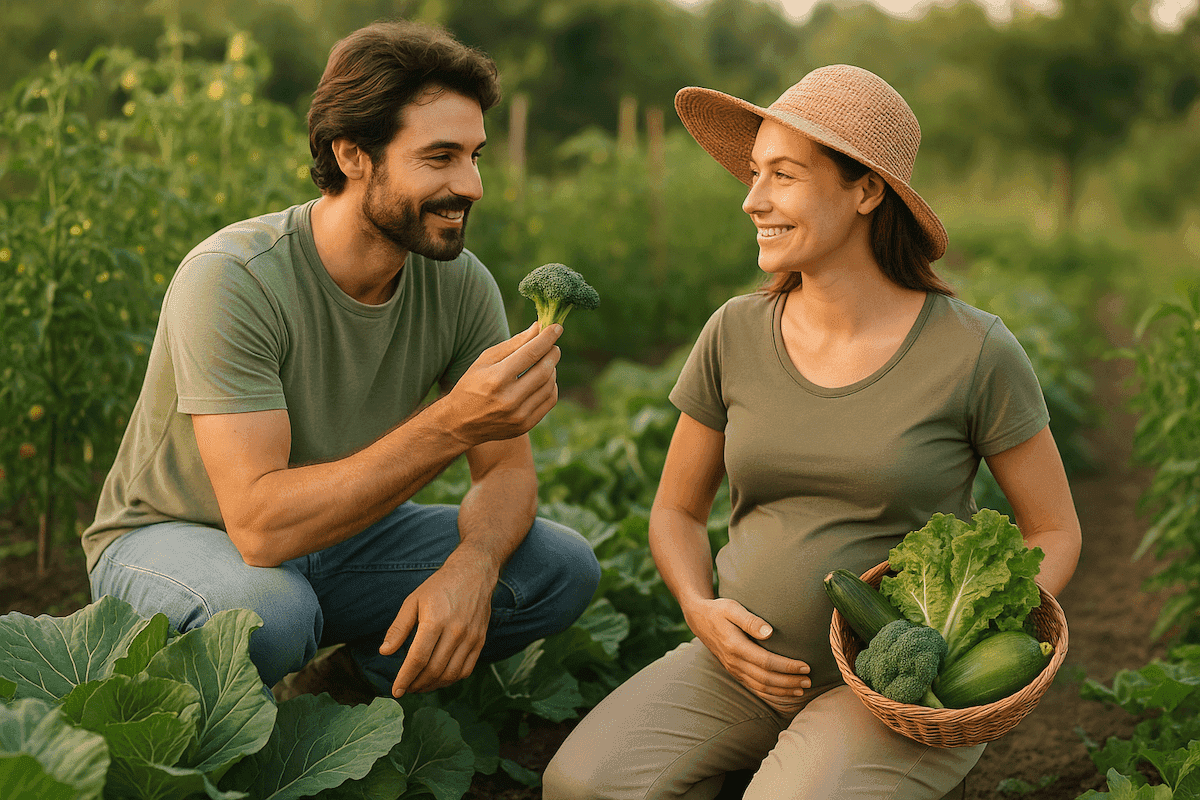
La fertilidad está determinada por mucho más que la suerte. Refleja el delicado equilibrio de las hormonas, la salud de los óvulos, la función metabólica, la inflamación, el sueño y las exposiciones ambientales. Aunque el tratamiento médico desempeña un papel vital cuando es necesario, muchas mujeres descubren que aplicar formas naturales de potenciar la fertilidad ayuda a mejorar sus posibilidades incluso antes de que comience la intervención clínica.
Esta guía describe doce estrategias respaldadas por pruebas y basadas en la investigación. Muestran cómo mejorar la fertilidad de forma natural, reforzar la salud reproductiva y crear el entorno interno más propicio para la concepción.
Respuesta rápida: Puedes potenciar la fertilidad de forma natural comiendo alimentos ricos en nutrientes, manteniendo un peso saludable, haciendo ejercicio moderado, reduciendo el estrés, equilibrando las hormonas, limitando la exposición a toxinas, favoreciendo la salud intestinal y metabólica, mejorando el sueño, controlando la ovulación e incluyendo a tu pareja en los cambios de estilo de vida. Estos consejos naturales para la fertilidad funcionan mejor si se aplican con constancia durante varios meses.
1. Céntrate en una dieta favorable a la fertilidad
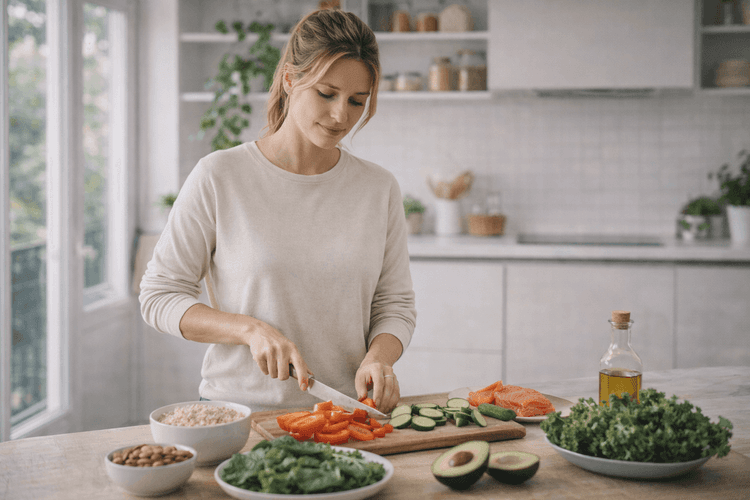
La alimentación influye en el equilibrio hormonal, el desarrollo de los óvulos, la inflamación y la estabilidad metabólica. Las dietas favorables a la fertilidad son ricas en alimentos integrales, grasas saludables, fibra, antioxidantes y carbohidratos complejos.
Algunos principios clave son:
- Comer muchas verduras, fruta, legumbres, frutos secos, semillas y cereales integrales
- Incluir pescado azul para obtener grasas omega 3
- Reducir los alimentos ultraprocesados y el exceso de azúcar
- Dar prioridad a los alimentos ricos en folato, hierro, zinc y antioxidantes
Si estás explorando si el SOP puede estar afectando a tu ciclo, puedes obtener más información en la guía sobre cómo saber si tienes SOP.
Una dieta de estilo mediterráneo es una de las opciones más respaldadas para la fertilidad, ya que ofrece una nutrición equilibrada sin restricciones.
2. Mantén un peso corporal saludable
Tanto un IMC bajo como alto pueden afectar a la ovulación, el equilibrio hormonal y la implantación. Un peso saludable favorece la regularidad de los ciclos y mejora la calidad de los óvulos.
Un metaanálisis de 2018 descubrió que las mujeres con un IMC de 18,5-24,9 tenían tasas de embarazo significativamente más altas. Además, una revisión de 2023 mostró que los hombres obesos tenían una fertilidad reducida, incluso controlando los factores de la pareja femenina. OUP Academic
Si el SOP, la resistencia a la insulina o los ciclos irregulares forman parte de tu experiencia, un enfoque adaptado puede ayudarte. Puedes profundizar en ello en el resumen de tratamientos de fertilidad para el SOP.
El objetivo no es un cambio rápido de peso, sino unos hábitos sostenibles a largo plazo, construidos mediante comidas ricas en nutrientes y un movimiento constante.
3. Haz ejercicio regularmente
El ejercicio moderado ayuda:
- El equilibrio hormonal
- La circulación
- La resistencia al estrés
- La sensibilidad a la insulina
Actividades como caminar, nadar, hacer yoga, montar en bicicleta y el entrenamiento ligero de fuerza ayudan a la fertilidad. Sin embargo, el entrenamiento extremadamente intenso puede alterar la ovulación en algunas personas.
Intenta realizar unos 150 minutos de movimiento moderado a la semana, ajustándote en función de cómo responda tu cuerpo.
4. Ayuda a reducir el estrés
El estrés prolongado afecta a la conexión cerebro-ovario, retrasando potencialmente la ovulación. El control del estrés mejora el bienestar emocional y la estabilidad hormonal.
Algunas prácticas útiles incluyen:
- Atención plena o meditación
- Trabajo de respiración
- Movimiento ligero
- Escribir un diario
- Conectar con personas que te apoyen
- Dedicar tiempo al descanso y al placer
Una buena gestión del estrés no elimina toda la presión, sino que ayuda a tu cuerpo a manejarla con más eficacia.
5. Prioriza el sueño de calidad
El sueño favorece la reparación hormonal, el metabolismo y la función reproductora. El sueño inconsistente o insuficiente afecta a la regularidad menstrual, los niveles de energía y la ovulación.
Algunas formas de mejorar el sueño incluyen:
- Acostarte a la misma hora
- Limitar las pantallas antes de acostarse
- Exponerse a la luz por la mañana
- Crear un entorno oscuro y fresco para dormir
Intenta dormir entre siete y nueve horas cada noche.
6. Equilibra las hormonas de forma natural
El equilibrio hormonal sustenta la ovulación y la concepción. Pequeños cambios en las hormonas tiroideas, la insulina o las hormonas reproductivas pueden influir en la fertilidad.
Si hay síntomas tiroideos, puede resultarte útil estudiar cómo el hipotiroidismo afecta a las hormonas femeninas.
Algunos hábitos sencillos que favorecen la estabilidad hormonal incluyen:
- Consumir proteínas en cada comida
- Incluir grasas saludables
- Reducir los hidratos de carbono refinados
- Mantener un consumo moderado de cafeína
- Apoyar la recuperación del estrés y el sueño
Estos cambios actúan conjuntamente para favorecer la constancia ovulatoria.
7. Reducir la exposición a toxinas ambientales
Las sustancias químicas cotidianas que se encuentran en los plásticos, las fragancias y algunos artículos domésticos pueden influir en la función hormonal. Aunque es imposible evitarlos por completo, pequeños cambios pueden reducir la exposición general:
- Elige vidrio o acero inoxidable en lugar de plástico
- Evita microondas o calentar recipientes de plástico
- Utiliza productos personales y de limpieza sin fragancia
- Aumenta el consumo de alimentos integrales para reducir la exposición a los envases
Si estás estudiando si afecciones como los miomas pueden interactuar con factores ambientales, la guía sobre si los miomas uterinos afectan a la fertilidad te ofrece más información.
8. Mantente hidratada
La hidratación favorece la producción de moco cervical, que ayuda a los espermatozoides a desplazarse sin problemas por el tracto reproductivo. La deshidratación puede espesar el moco, reduciendo la movilidad de los espermatozoides.
Procura ingerir agua de forma constante a lo largo del día e incluye alimentos ricos en agua, como fruta y verdura.
9. Controla la ovulación y la ventana fértil
Conocer la ovulación ayuda a programar las relaciones sexuales durante el pico de fertilidad. Entre las herramientas que pueden ayudar se incluyen:
- Seguimiento del moco cervical
- Temperatura corporal basal
- Kits de predicción de la ovulación
- Aplicaciones de fertilidad
El seguimiento resulta especialmente útil cuando los ciclos varían de un mes a otro. Si el seguimiento del ciclo revela incoherencias, puede ser señal de desequilibrios hormonales o metabólicos que merece la pena explorar.
10. Ayuda a la salud intestinal
El intestino influye en el metabolismo hormonal, la inflamación, la inmunidad y el equilibrio energético, todos ellos fundamentales para la fertilidad.
Para apoyar la salud intestinal de forma natural:
- Come una variedad de alimentos vegetales ricos en fibra
- Incluye alimentos fermentados
- Limita los alimentos ultraprocesados
- Favorece la hidratación
- Come despacio y con atención
Un entorno intestinal equilibrado favorece la regulación hormonal y una ovulación estable.
11. Equilibra el azúcar en sangre y la insulina
Las oscilaciones del azúcar en sangre pueden influir en la ovulación, sobre todo en las mujeres con SOP o resistencia a la insulina.
Favorece el equilibrio del azúcar en sangre:
- Combinando los hidratos de carbono con proteínas o grasas saludables
- Reduciendo las bebidas azucaradas
- Comiendo comidas consistentes
- Haciendo un poco de ejercicio ligero después de comer
Equilibrar el azúcar en sangre es una de las estrategias naturales de fertilidad más fiables, especialmente para los ciclos irregulares.
12. Incluye la fertilidad masculina
La fertilidad masculina contribuye a cerca de la mitad de los problemas de fertilidad. En la salud del esperma influyen el estrés, el peso, la dieta, el alcohol, la exposición al calor, el sueño y el estilo de vida en general.
Si quieres explorar el apoyo a la fertilidad masculina con más detalle, la guía completa sobre cómo mejorar la salud del esperma es un recurso útil.
Comprender la calidad del esperma también puede ayudar a informar sobre los siguientes pasos en la planificación de la concepción. Puedes obtener más información sobre los métodos de análisis en la descripción general de análisis del ADN espermático.
Preguntas frecuentes sobre Formas naturales de aumentar la fertilidad
¿Cómo puedo mejorar mi fertilidad de forma natural?
Puedes favorecer la fertilidad de forma natural comiendo alimentos ricos en nutrientes, manteniendo un peso saludable, haciendo ejercicio moderado, reduciendo el estrés, mejorando el sueño, favoreciendo el equilibrio intestinal y hormonal, bebiendo suficiente agua y haciendo un seguimiento de la ovulación. Estos hábitos actúan conjuntamente para estabilizar las hormonas y favorecer una ovulación regular.
¿Qué puedo beber para quedarme embarazada más rápido?
No hay ninguna bebida que garantice el embarazo, pero la hidratación es importante. El agua favorece un moco cervical sano, que ayuda al desplazamiento de los espermatozoides. Los batidos hechos con verduras de hoja verde, bayas y semillas proporcionan antioxidantes que favorecen la calidad del óvulo. El té verde puede ofrecer ligeros beneficios para la fertilidad por su perfil antioxidante. Evita las bebidas azucaradas y el exceso de cafeína.
¿Qué alimentos pueden aumentar la fertilidad?
Entre los alimentos que favorecen la fertilidad están las verduras de hoja verde, las bayas, las judías, las lentejas, los cereales integrales, los frutos secos, las semillas, el pescado azul, los huevos y el aguacate. Estos alimentos aportan antioxidantes, folato, grasas omega 3 y proteínas, que ayudan a regular las hormonas y favorecen el desarrollo del óvulo.
¿Qué me hará superfértil?
No hay forma de volverse "superfértil" al instante, pero hay varios hábitos que marcan una diferencia mensurable: el seguimiento regular de la ovulación, una dieta equilibrada, mantener un peso saludable, controlar el estrés, dar prioridad al sueño, limitar las toxinas y favorecer el azúcar en sangre. Todo ello crea el entorno más propicio para la concepción.
¿Qué 5 alimentos mejoran la calidad de los óvulos?
Cinco alimentos útiles son las verduras de hoja verde para el folato, las bayas para los antioxidantes, el pescado azul para las grasas omega 3, los frutos secos y las semillas para la vitamina E y el zinc, y los huevos para la colina y las proteínas. Estos nutrientes ayudan a proteger los óvulos en desarrollo del estrés oxidativo y favorecen el equilibrio hormonal.
¿Qué destruye la calidad del óvulo?
La calidad de los óvulos puede verse afectada por la inflamación crónica, el tabaquismo, el exceso de alcohol, la mala alimentación, el estrés elevado, la falta de sueño, las afecciones tiroideas o metabólicas no controladas y la exposición a toxinas como plásticos y pesticidas. La edad también afecta a la calidad de los óvulos, pero los factores relacionados con el estilo de vida desempeñan un papel importante.
¿Puede el jengibre potenciar la fertilidad?
El jengibre favorece la digestión y reduce la inflamación, por lo que puede ser útil como parte de una dieta favorable a la fertilidad. Sin embargo, no potencia directamente la fertilidad por sí mismo. Sus beneficios se deben a que reduce el estrés oxidativo y favorece el bienestar general.
¿Qué fruta es mejor para la fertilidad femenina?
Las bayas son especialmente beneficiosas porque contienen altos niveles de antioxidantes que favorecen la salud de los óvulos. Los cítricos, las granadas y los aguacates también ofrecen nutrientes relacionados con la regulación hormonal y la mejora del equilibrio metabólico.
¿Qué zumo casero para la fertilidad te ayuda a quedarte embarazada?
Una opción sencilla y útil es una mezcla de espinacas, bayas, semillas de chía y limón. Esta combinación aporta folato, antioxidantes, fibra e hidratación. Aunque ningún zumo garantiza el embarazo, las mezclas ricas en nutrientes favorecen la salud hormonal y reproductiva.
¿Cuáles son las cuatro formas de quedarse embarazada?
El embarazo puede producirse mediante concepción natural, tecnologías de reproducción asistida como la FIV, la inseminación intrauterina o la concepción de donante. El apoyo a la fertilidad natural y la evaluación profesional ayudan a determinar qué vía se adapta mejor a tu situación.
¿Qué vitaminas ayudan a la fertilidad?
Entre las vitaminas clave están el folato para la síntesis del ADN, la vitamina D para la regulación hormonal, la vitamina E para la protección antioxidante y la vitamina C para el colágeno y el apoyo antioxidante. Los ácidos grasos omega 3 y la CoQ10, aunque no son vitaminas, también favorecen la calidad de los óvulos y el equilibrio metabólico.
Uniéndolo todo
Mejorar la fertilidad de forma natural no consiste en la perfección. Se trata de crear las condiciones internas en las que tu cuerpo pueda funcionar lo mejor posible. Estas doce estrategias favorecen el equilibrio hormonal, la ovulación estable, la salud metabólica y el bienestar emocional. Cuando se aplican con constancia durante varios meses, suelen marcar una diferencia significativa y funcionan bien junto con la atención médica cuando es necesaria.
En Conceivio, ofrecemos un apoyo a la fertilidad compasivo, basado en pruebas y adaptado a tus necesidades. Tanto si estás intentando concebir de forma natural como preparándote para un tratamiento, nuestro equipo está aquí para guiarte con claridad, amabilidad y atención respaldada por la ciencia.
Referencias
- Xie F et al., J Transl Med. 2022: "Asociación entre actividad física e infertilidad". BioMed Central
- Ruiz-González D et al., Hum Reprod Update. 2024: "Eficacia comparativa del ejercicio, la dieta... sobre la ovulación". OUP Academic
- Revisión de la dieta preconcepcional, Hum Reprod Update 2023. OUP Academic
- Alimentación, nutrición y fertilidad: Am J Clin Nutr 2023. AJCN
- Frontiers review: dieta rica en grasas y fertilidad femenina. CoLab