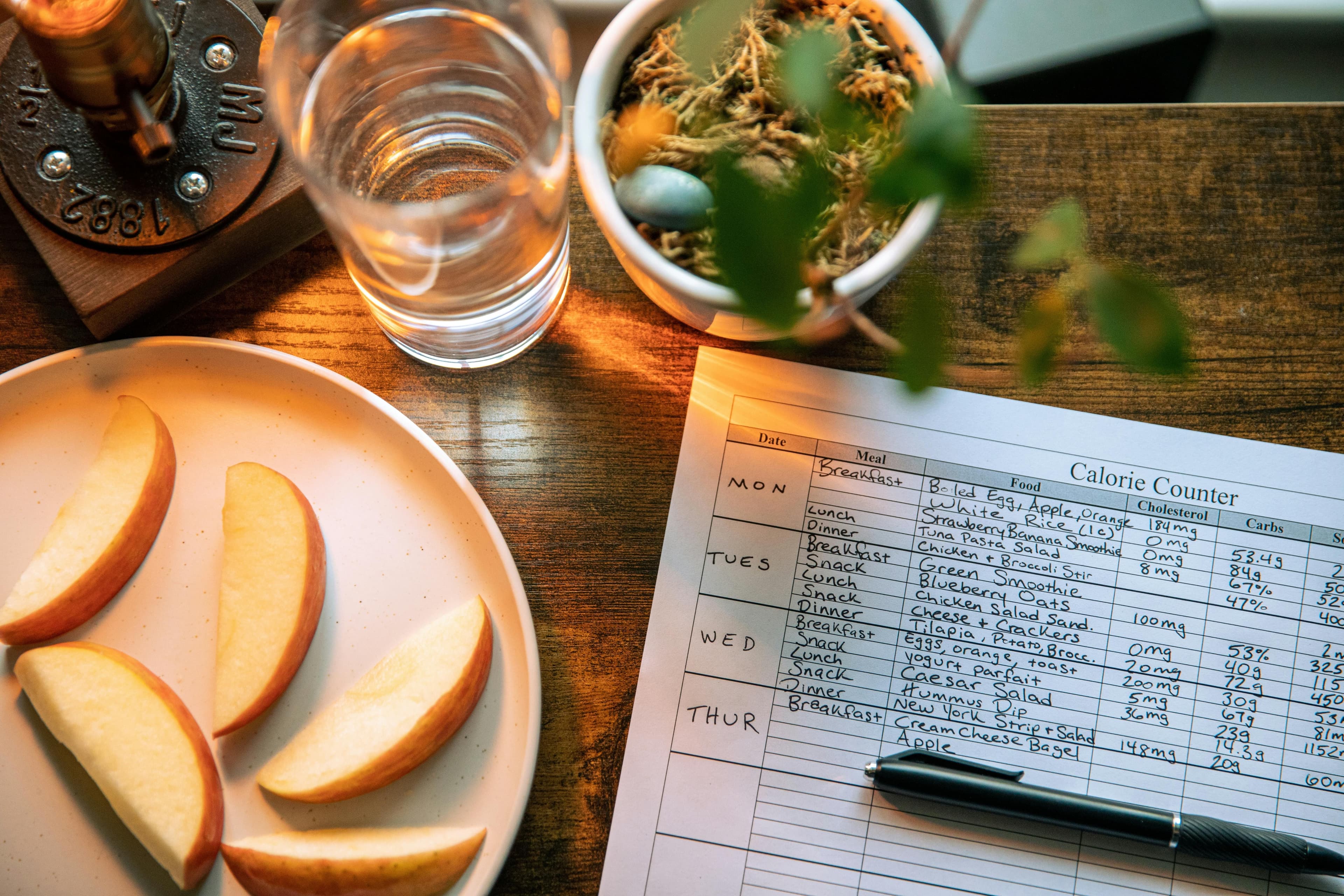
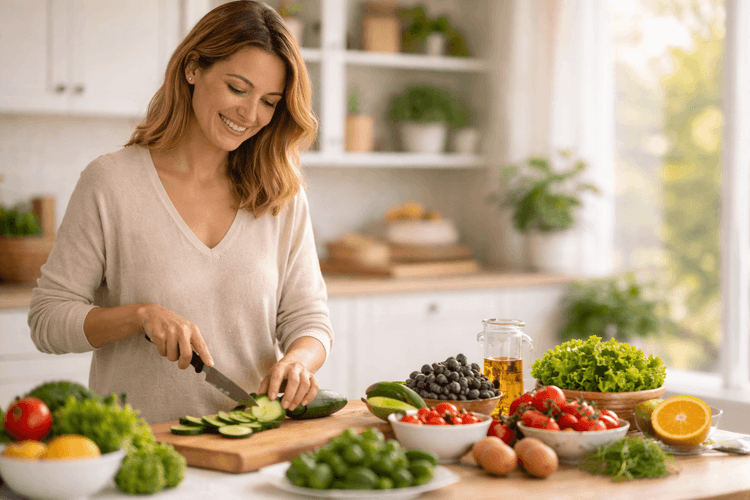
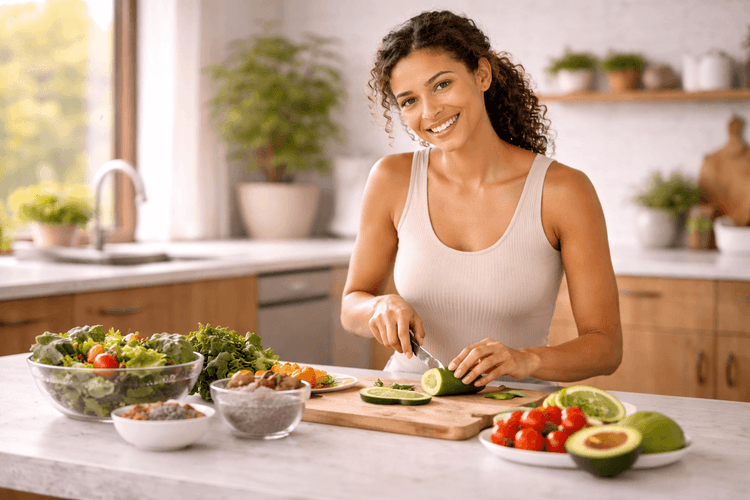
En un mundo lleno de dietas rápidas, planes alimentarios restrictivos y consejos contradictorios, no es de extrañar que muchas personas se sientan perdidas sobre qué comer, especialmente cuando intentan concebir. Cada cuerpo es único, y lo que funciona para una persona puede no funcionar para otra. Por eso, los planes nutricionales personalizados para la fertilidad han revolucionado el enfoque para las parejas y las personas que desean optimizar su salud y su potencial reproductivo.
En lugar de seguir tendencias dietéticas genéricas, un plan personalizado tiene en cuenta tu biología, estilo de vida y necesidades reproductivas únicas. Cuando se trata de mejorar la calidad de los óvulos y el esperma, equilibrar las hormonas y preparar el cuerpo para el embarazo, no existe un enfoque único.
1. Por qué la nutrición personalizada es importante para la fertilidad
El poder de la bioindividualidad
El metabolismo, el perfil hormonal y el microbioma intestinal de cada persona son diferentes. Un plan de nutrición personalizado se elabora en función de tus necesidades únicas de nutrientes, tus sensibilidades y tus objetivos reproductivos.
Por ejemplo, alguien con resistencia a la insulina o SOP puede necesitar un enfoque más bajo en carbohidratos para estabilizar el azúcar en sangre, mientras que otra persona puede prosperar con un perfil de macronutrientes más equilibrado que favorezca el equilibrio de estrógenos y progesterona.
Este enfoque de precisión ayuda a identificar y corregir los desequilibrios nutricionales que pueden afectar a las hormonas de la fertilidad, como la función tiroidea, la sensibilidad a la insulina y el metabolismo de las hormonas sexuales.
La ciencia tras la nutrición personalizada
Una investigación publicada en Cell Metabolism (2025) confirma que la nutrición personalizada guiada por datos genéticos, del microbioma y del estilo de vida supera a las pautas dietéticas estándar para mejorar la salud metabólica y los resultados reproductivos.
Del mismo modo, un estudio PubMed (2020) descubrió que las intervenciones nutricionales personalizadas mejoraban significativamente las tasas de embarazo entre las mujeres con infertilidad inexplicada al abordar las deficiencias nutricionales individuales.
2. La conexión entre la dieta y las hormonas reproductivas
Cómo influye la nutrición en las hormonas de la fertilidad
Una nutrición equilibrada favorece directamente la producción de hormonas de la fertilidad como los estrógenos, la progesterona, la hormona foliculoestimulante (FSH) y la hormona luteinizante (LH). Las deficiencias de vitaminas, minerales o grasas saludables pueden alterar la síntesis hormonal, la ovulación y la implantación.
Entre los nutrientes que favorecen las hormonas para quedarse embarazada se incluyen:
- Vitaminas B y magnesio: esenciales para la producción de progesterona.
- Ácidos grasos omega-3: mejoran la integridad de la membrana del óvulo y reducen la inflamación.
- Zinc y selenio: vitales para la calidad y la motilidad del esperma.
- Hierro: favorece la ovulación y el transporte de oxígeno a los órganos reproductores.
Cuando estos nutrientes se equilibran de forma óptima mediante una nutrición personalizada, los niveles hormonales se vuelven más estables, lo que mejora tanto la concepción natural como los resultados de la FIV.
3. Alimentos que pueden mejorar la calidad de los óvulos y el esperma
Alimentos que debes comer para mejorar la calidad de los óvulos
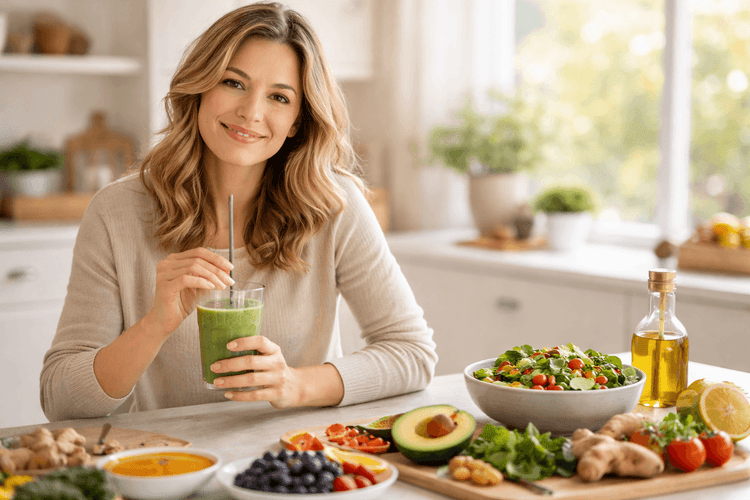
Tu dieta influye en la salud celular y la función mitocondrial, que desempeñan papeles clave en el desarrollo del óvulo. Céntrate en alimentos ricos en antioxidantes y antiinflamatorios, como:
- Frutas y verduras coloridas (arándanos, espinacas, boniatos)
- Cereales integrales como la quinoa y el trigo sarraceno
- Grasas saludables (aguacates, aceite de oliva, frutos secos, semillas)
- Fuentes de proteínas como huevos, legumbres y pescado salvaje
Los estudios han demostrado que las dietas ricas en antioxidantes, folato y omega-3 pueden mejorar la respuesta ovárica y la calidad de los óvulos.
Consejo: Una dieta de estilo mediterráneo rica en frutas, verduras, cereales integrales, aceite de oliva y pescado se ha asociado a una mejor respuesta ovárica y mayores tasas de éxito de la FIV.
Alimentos que debes comer para mejorar la calidad del esperma
La salud de los espermatozoides depende de la estabilidad del ADN, la motilidad (movimiento), la morfología (forma) y el recuento global, todos ellos sensibles al estrés oxidativo, la inflamación y las deficiencias de nutrientes.
Nutrientes clave y fuentes alimentarias:
-
Zinc:**
Se encuentra en las semillas de calabaza, las ostras y los garbanzos; el zinc es esencial para la producción de testosterona y la motilidad de los espermatozoides.
-
Selenio:
Las nueces de Brasil, los huevos y el atún ayudan a proteger el ADN espermático del daño oxidativo.
-
Vitamina C y E:
Los cítricos, las almendras, las semillas de girasol y las verduras de hoja verde reducen el estrés oxidativo y mejoran el recuento y la morfología espermáticos.
-
L-Carnitina:
Presente en la carne roja y los lácteos, este aminoácido mejora la motilidad espermática y la actividad mitocondrial.
-
Ácidos grasos omega-3:
De forma similar a la salud del óvulo, los omega-3 mejoran la estructura y fluidez del esperma, favoreciendo una mejor motilidad y potencial de fecundación.
Consejo: Las dietas ricas en carne procesada, azúcares refinados y grasas trans están relacionadas con un menor recuento de espermatozoides y una peor motilidad. Sustituirlas por alimentos vegetales ricos en antioxidantes y grasas saludables puede mejorar notablemente los parámetros espermáticos.
Alimentos para las distintas fases menstruales
Comprender tu ciclo te permite comer en sincronía con tus hormonas.
- Comidas de la fase folicular: Haz hincapié en las proteínas magras, las verduras crucíferas y los alimentos ricos en vitaminas del grupo B para favorecer el metabolismo de los estrógenos.
- Comidas de la fase ovulatoria:** Añade opciones ricas en zinc (semillas de calabaza, ostras) y antioxidantes como la vitamina C para favorecer la liberación de óvulos.
- Comidas de la fase lútea: Incluye magnesio, carbohidratos complejos y vitamina B6 (boniatos, garbanzos, verduras de hoja verde) para favorecer la progesterona y la implantación.
- Recetas de la fase menstrual: Céntrate en alimentos ricos en hierro (lentejas, carne roja, espinacas) y en la hidratación para reponer el organismo.
Un estudio publicado en el Journal of Fertility and Sterility destaca cómo los patrones alimentarios cíclicos alineados con las fluctuaciones hormonales pueden mejorar significativamente los resultados de la fertilidad.
4. Alimentos que debes evitar cuando intentas concebir
No todos los alimentos favorecen la fertilidad. Algunos pueden alterar las hormonas o aumentar la inflamación, lo que perjudica la calidad del óvulo y del esperma.
Es mejor evitar o limitar:
- Los alimentos procesados y los azúcares refinados: Aumentan la insulina y alteran las hormonas reproductivas.
- Grasas trans y aceites de semillas: Se relacionan con la reducción de la reserva ovárica.
- Pescado con alto contenido en mercurio (p. ej., pez espada, caballa real): Puede perjudicar el desarrollo embrionario.
- El exceso de cafeína y alcohol: Interfieren en la ovulación y la implantación.
Al planificar planes nutricionales para la fertilidad, eliminar estos "perturbadores de la fertilidad" es tan importante como añadir alimentos beneficiosos.
5. Carne roja y fertilidad: calidad sobre cantidad
Hay mucho debate sobre la carne roja y el embarazo: ¿es segura o debe limitarse? La clave está en calidad y moderación.
La carne roja de alta calidad, alimentada con pasto, aporta nutrientes esenciales como hierro, zinc y vitamina B12, todos ellos fundamentales para la salud de óvulos y espermatozoides. Sin embargo, una ingesta excesiva, especialmente de carnes procesadas, puede aumentar la inflamación y reducir la fertilidad.
Una investigación de PubMed (2023) demuestra que el consumo moderado de carne roja no procesada favorece unos niveles saludables de hierro y el equilibrio hormonal durante la preconcepción y el embarazo.
Por tanto, si comes carne roja durante el embarazo, elige pequeñas porciones de cortes magros, bien cocinados y equilibrados con abundante fibra y antioxidantes vegetales.
6. El debate sobre la dieta baja en carbohidratos y ceto: implicaciones para la fertilidad
La dieta baja en carbohidratos y el embarazo
Las dietas bajas en carbohidratos han ganado popularidad para perder peso y controlar la glucemia, pero su papel en la fertilidad y el embarazo es matizado.
Una revisión de PubMed (2017) descubrió que las dietas bajas en carbohidratos pueden mejorar la sensibilidad a la insulina en mujeres con SOP, una causa frecuente de infertilidad. Sin embargo, durante el embarazo, una ingesta demasiado restrictiva de carbohidratos puede provocar deficiencias de nutrientes y afectar al crecimiento fetal.
Los enfoques moderados bajos en carbohidratos centrados en alimentos integrales, en lugar de los planes extremos de dieta cetofertilidad, pueden favorecer el equilibrio hormonal sin comprometer la salud reproductiva.
Keto y fertilidad: lo que dice la ciencia
La dieta cetogénica puede reducir la inflamación y regular las hormonas de la fertilidad en las mujeres resistentes a la insulina, pero puede no ser adecuada para todas. Un estudio PubMed (2017)* descubrió que, aunque las dietas ceto a corto plazo mejoraban la ovulación en mujeres con SOP, su uso a largo plazo puede reducir micronutrientes importantes necesarios para el embarazo.
Si estás pensando en seguir una dieta baja en carbohidratos durante el embarazo, lo mejor es que trabajes con un experto en nutrición para garantizar una ingesta adecuada de folato, magnesio y fibra, nutrientes cruciales para un desarrollo sano.
7. Alimentos que favorecen la ovulación de forma natural
La ovulación es uno de los pasos más críticos en la concepción. Favorecerla mediante la dieta puede mejorar tanto la liberación del óvulo como el éxito de la implantación.
Entre los alimentos que favorecen la ovulación se incluyen:
- Las verduras de hoja verde y las crucíferas: Desintoxican el exceso de estrógenos.
- Cereales integrales:** Estabilizan el azúcar en sangre y favorecen la progesterona.
- Avocados y frutos secos: Proporcionan ácidos grasos esenciales para la producción hormonal.
- Las bayas y los cítricos: Aportan antioxidantes que reducen el estrés oxidativo de los óvulos.
Durante la fase ovulatoria, procura comidas ricas en zinc, vitamina C y omega-3, nutrientes que optimizan la calidad del líquido folicular y la interacción espermatozoide-óvulo.
8. Salud intestinal, inflamación y fertilidad
Un microbioma intestinal sano es esencial para la absorción de nutrientes, el metabolismo hormonal y la regulación inmunitaria, todos ellos factores cruciales para la fertilidad. La inflamación intestinal puede provocar desequilibrios hormonales, reacciones autoinmunes y afecciones como la endometriosis o el síndrome de ovario poliquístico.
Un estudio PubMed (2020) confirmó que las dietas antiinflamatorias personalizadas mejoraban las tasas de concepción en mujeres con afecciones reproductivas inflamatorias.
Incorporar alimentos fermentados (como kéfir, chucrut y miso), fibras prebióticas y frutas ricas en polifenoles puede ayudar a mantener la diversidad microbiana y reducir la inflamación mientras se intenta concebir.
9. Por qué la nutrición personalizada supera a las dietas genéricas para la fertilidad
Aunque hay innumerables guías de "dietas de fertilidad" en Internet, rara vez tienen en cuenta tu biología individual. La nutrición personalizada utiliza biomarcadores, como los niveles hormonales, las predisposiciones genéticas y la composición del microbioma, para afinar las recomendaciones.
Por ejemplo:
- Alguien con bajo nivel de hierro podría necesitar más carne roja y verduras de hoja verde.
- Otra persona con inflamación alta podría beneficiarse de ** omega-3 de origen vegetal**.
- Las personas con SOP pueden prosperar con planes de bajo índice glucémico y carbohidratos equilibrados.
Este enfoque de precisión se alinea con las recomendaciones internacionales de nutrición, que hacen hincapié en las dietas variadas, basadas en alimentos integrales y adaptadas a las necesidades individuales.
10. Elabora tu plan nutricional personalizado para la fertilidad
Para crear tu plan de nutrición para la fertilidad, empieza por evaluar:
- Tu dieta actual: ¿Consumes suficientes proteínas, fibra y micronutrientes?
- Tu salud menstrual: Los ciclos irregulares pueden indicar desequilibrios hormonales.
- Tus pautas de estrés y sueño: Ambas influyen en la insulina y el cortisol, que afectan a la fertilidad.
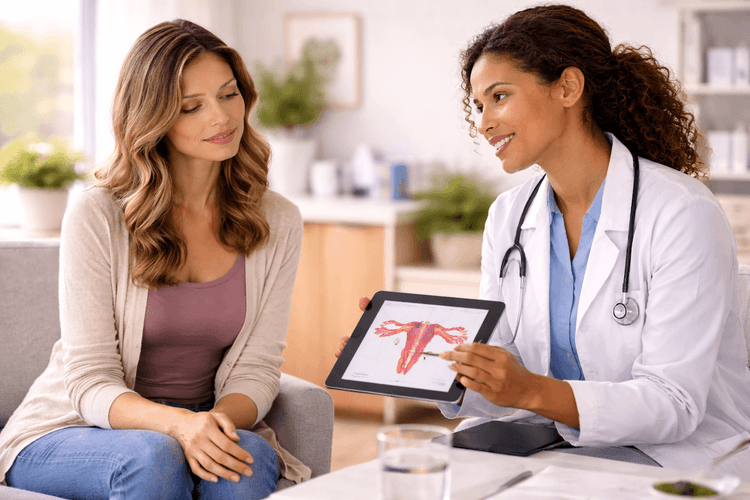
- Tus resultados de laboratorio: Trabaja con un nutricionista cualificado para analizar los niveles hormonales y de nutrientes.
A continuación, ajusta tu plan de comidas fase por fase, centrándote en alimentos que nutran tu sistema reproductivo y favorezcan el desarrollo de los folículos, la ovulación y la implantación.
Nutrir tu fertilidad mediante una nutrición personalizada
Los planes de nutrición personalizados van más allá de los planes de comidas: te permiten comprender las señales de tu cuerpo y darle exactamente lo que necesita. Tanto si quieres mejorar la calidad de los óvulos, favorecer la salud del esperma o controlar los desequilibrios hormonales, la nutrición personalizada crea la base para la concepción y el bienestar a largo plazo.
Si quieres explorar cómo la nutrición puede apoyar tu camino hacia la fertilidad, descubre más en estos recursos: